
Medellin: From Powder Keg to Painted Hills
Medellin is a city that moved from Powder Keg to Painted Hills. It didn’t reinvent itself. It rebuilt itself… slowly, painfully… on top of memory, violence, and a very conscious refusal to be defined by one man.
Medellin, A Valley That Looks Too Peaceful for Its Past
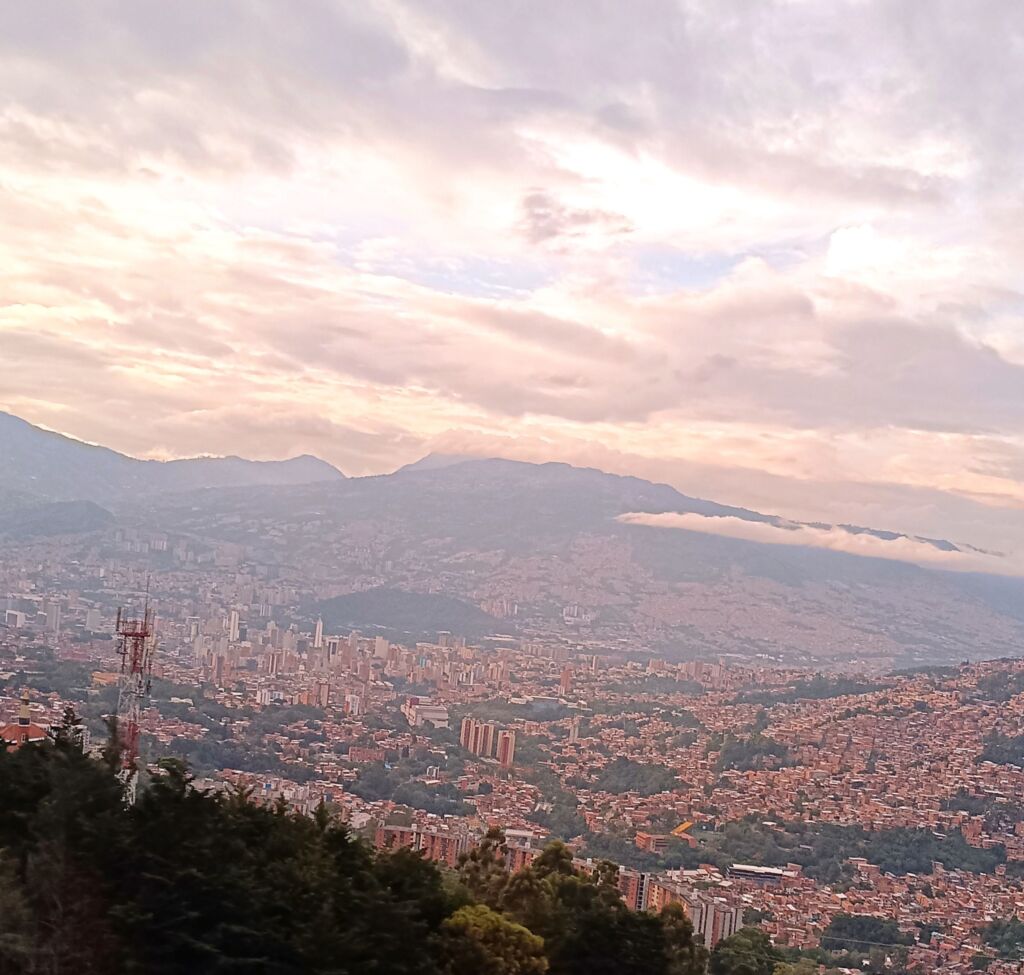
Medellin sits quietly in the Aburra Valley, wrapped in green hills that feel almost protective. They call it the City of Eternal Spring, and for once, that’s not tourism exaggeration. The weather is kind. The light is forgiving. And the city breathes easy.
Which makes what came later feel almost surreal. Founded in 1616, Medellin grew as a textile and industrial hub. A working city. A proud one. Not flashy like Bogota. Not historic like Cartagena. Just… solid.
Until the late 20th century, when something far more volatile entered the equation.
Before Cocaine, There Was Coca
Before Medellin became synonymous with cocaine… there was a leaf. Not a cartel. Not a crime network. Just coca, a plant used for thousands of years across the Andes. The Indigenous communities:
- Chewed it
- Brewed it as tea
- Used it for stamina, altitude, and ritual
It was medicine. And it was culture. It was… normal. Much like coffee… The problem began when chemistry stepped in.
From Leaf to Industry
Coca leaves, in their natural form, are mild. But when processed, refined using chemicals, they become cocaine. Highly concentrated. Highly addictive. And of course, highly profitable. This last part… changed everything.
Why Colombia Became Ground Zero
Interestingly, coca wasn’t even Colombia’s crop to begin with. Much of it came from Peru and Bolivia. But Colombia had:
- Dense jungles
- Weak state control in certain regions
- Proximity to North American demand
Which made it perfect for one thing – Processing. Distribution. Scale.
Enter the Man Who Systemized Chaos in Medellin
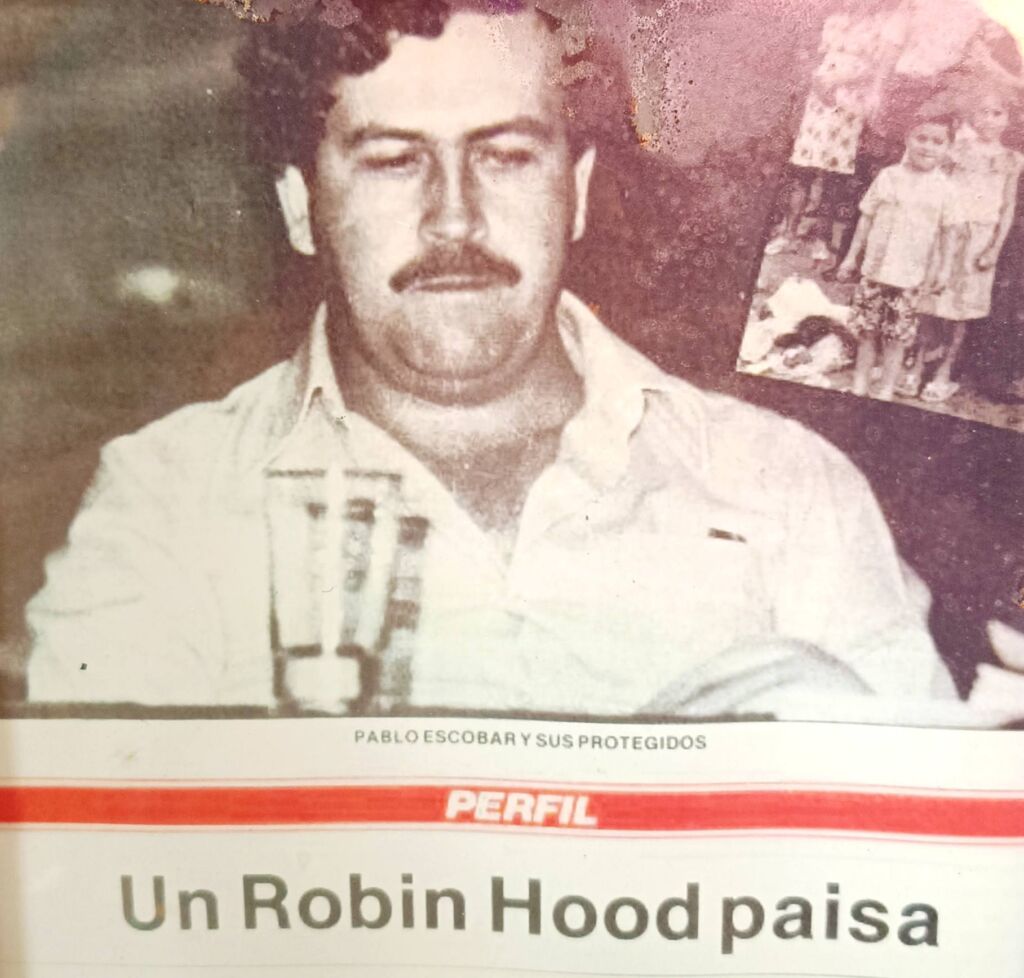
You can’t avoid him – Pablo Escobar. But you also can’t reduce Medellin to him. Escobar didn’t invent cocaine trafficking. He industrialized it. He built a system:
- Coca sourced from neighboring countries
- Processed in hidden Colombian labs
- Transported through an intricate global network
Planes. Boats. Jungle routes. Even submarines.
At its peak:
- 80% of cocaine entering the United States flowed through his network
- Billions of dollars moved through the cartel
- Medellin became the operational heart of it all
This wasn’t crime anymore. This was supply chain management. Just… illegal.
The Complication: Villain, Provider, Myth
And here’s where Medellin refuses to give you easy answers. Escobar funded:
- Housing projects
- Football fields
- Community infrastructure
For many in poorer neighborhoods, he wasn’t just a criminal. He was someone who showed up when the state didn’t. Which means even today, memory is divided. Hate. Gratitude. Denial. Nostalgia… All coexisting.
The Violence: When a City Becomes a Battlefield – Medellin
Then came the cost… Bombings. Assassinations. Fear. Judges. Police. Journalists. Civilians.
By the late 80s and early 90s, Medellin was widely considered the most dangerous city in the world.
Violence wasn’t an event. It was background noise.
Narcos and the Myth Machine in Medellin
If you’ve watched Narcos, you’ve seen a version of this. Stylized. Structured. Almost… entertaining.
Reality wasn’t. It was chaotic. Exhausting. Unrelenting. The show tells a story. The city lived through it.
The Fall: When the Noise Stopped
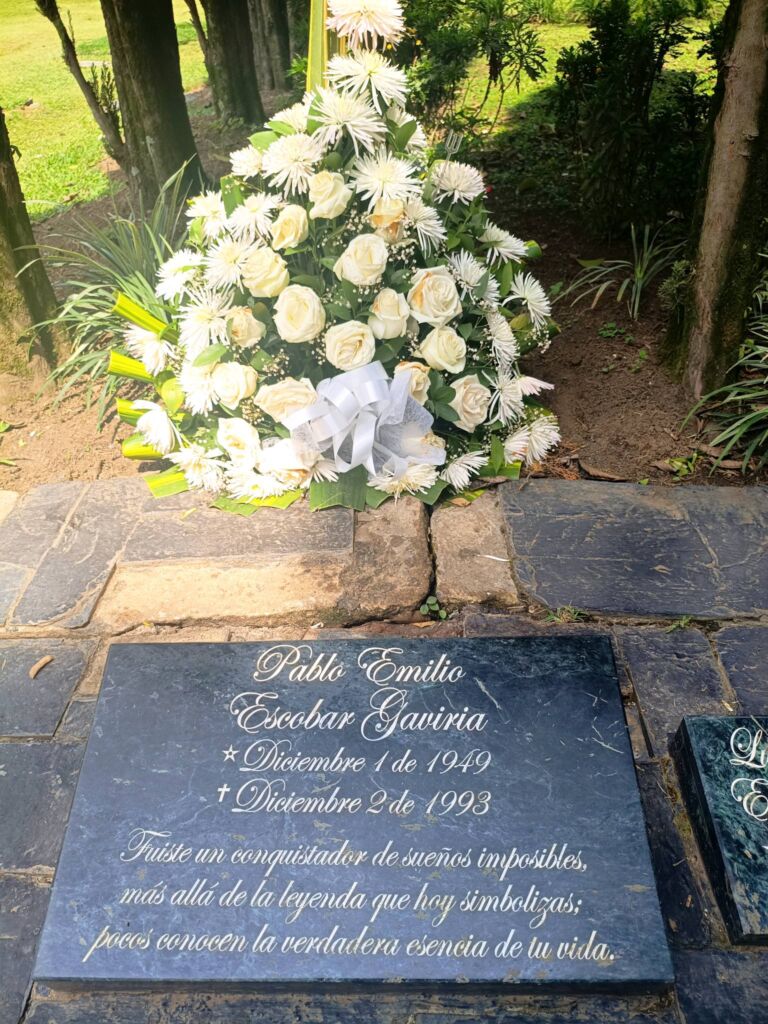
Escobar died in 1993. Shot on a rooftop. Just like that, the man who had bent a city to his will… was gone.
But cities don’t reset. They recover. Slowly.
 The Long Limp Back
Medellin didn’t bounce back. It limped. For years. And then something shifted. Not dramatically. Not overnight. But deliberately.
Rebuilding a City, One Connection at a Time – Medellin
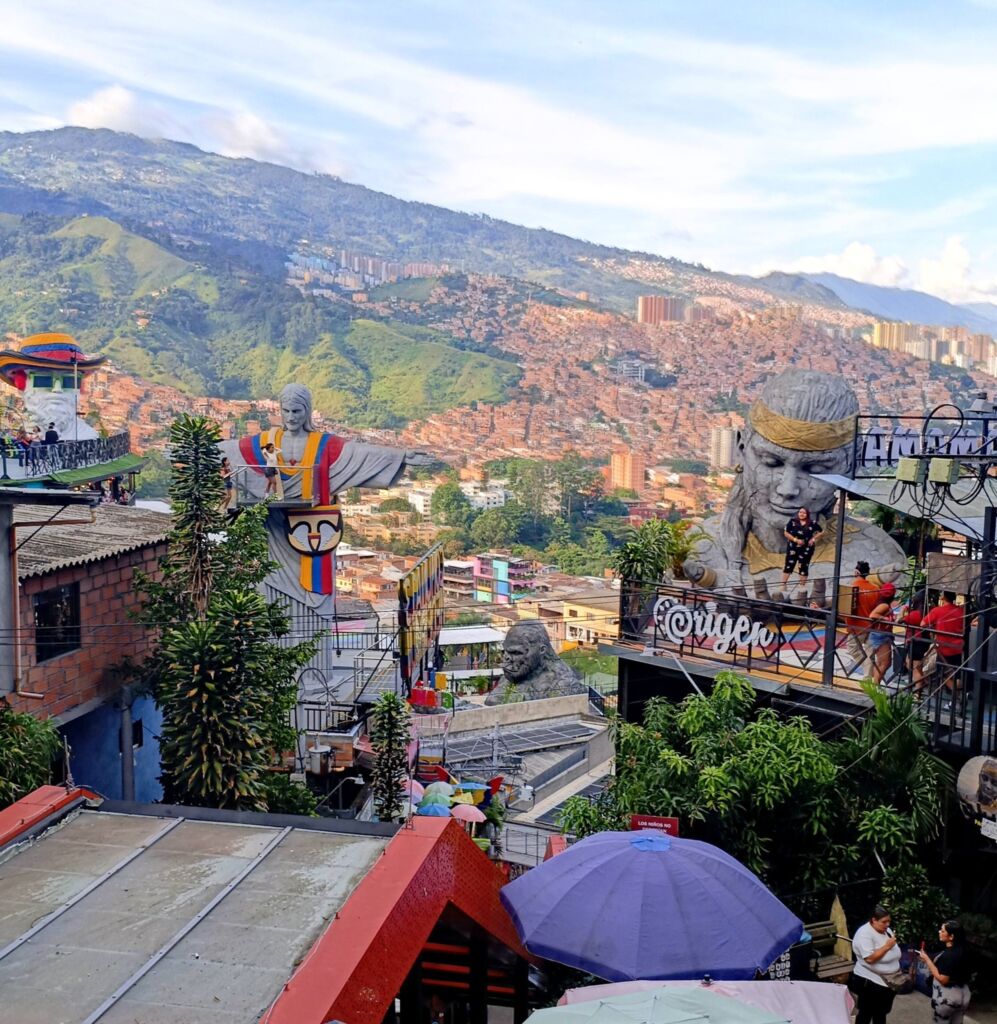
Instead of hiding its broken parts, Medellin connected them.
- Metrocables linking hillside barrios to the city below
- Public libraries placed in underserved neighborhoods
- Infrastructure designed not just for movement, but for dignity
Urban planning became therapy. Movement became inclusion.
Comuna 13: Where Medellin Found Its Voice Again
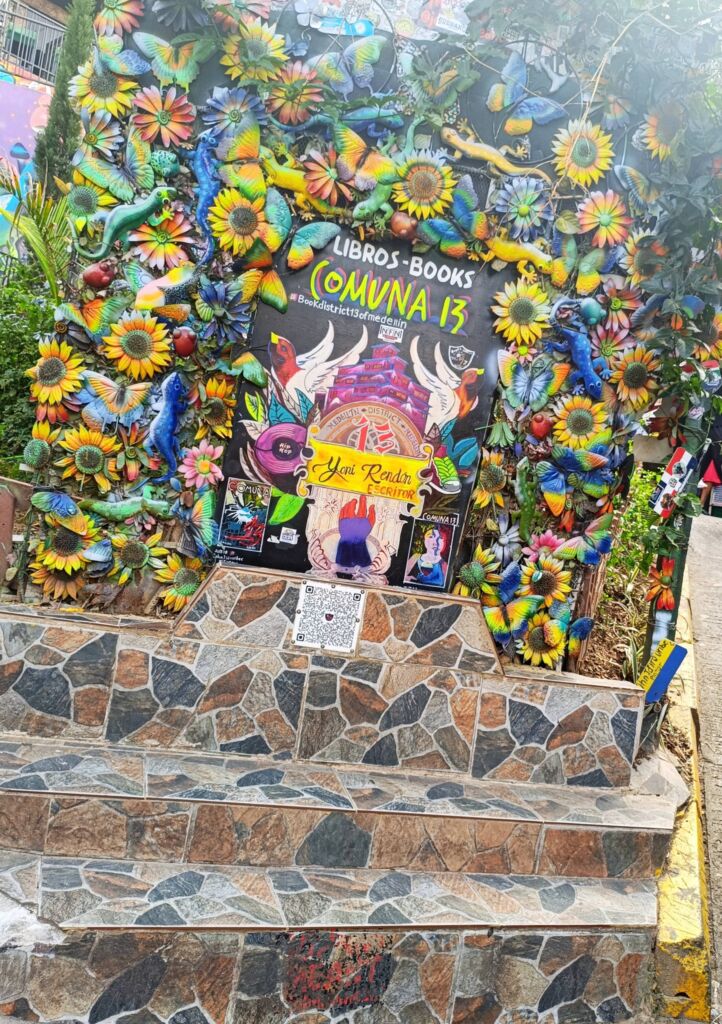
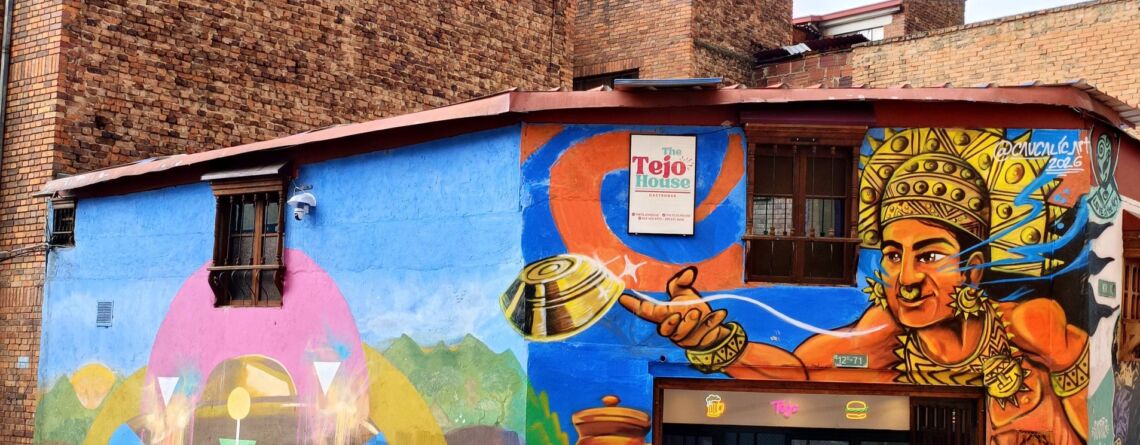
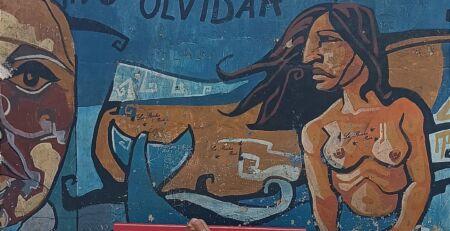
Once one of the most dangerous neighborhoods in Medellin. Today? Alive. Music. Dance. Color. Noise. Walls covered in stories:
- Violence remembered
- Resistance celebrated
- Hope painted in layers
Comuna 13 didn’t erase its past. It turned it into art.
Botero: The Weight of Life
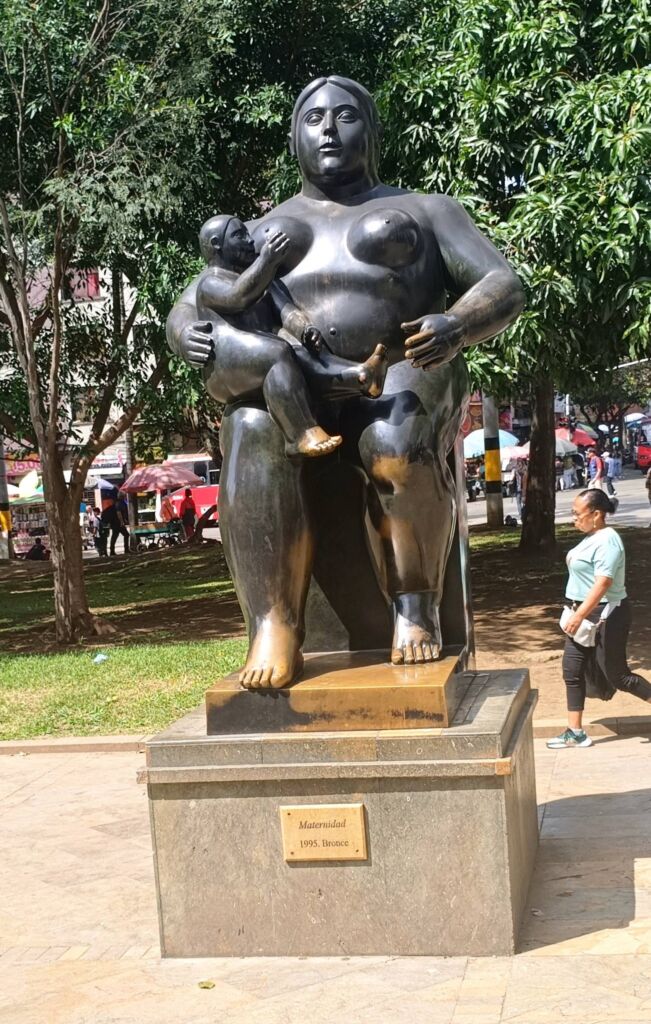
Then there’s Fernando Botero. His sculptures, exaggerated, almost playful, sit across the city. They don’t hide. They occupy space. Generously… In a city that once felt compressed… they expand.
The Day Medellin Exhaled: El Penol & Guatape
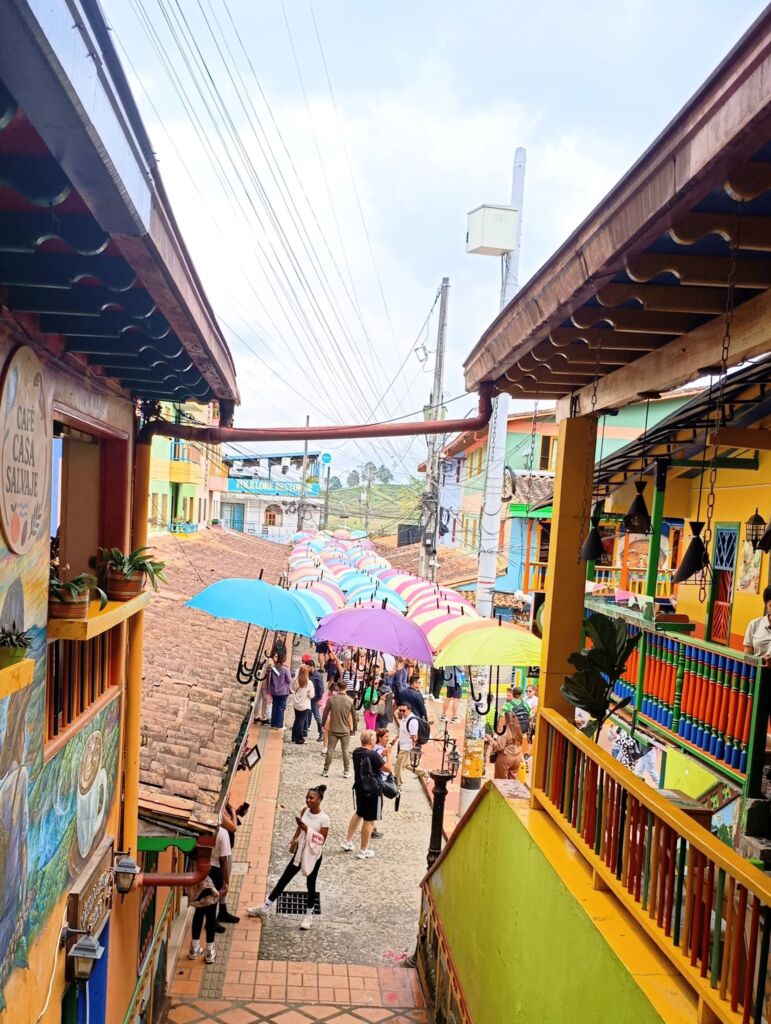
There comes a point in every journey where a place decides to drop its guard.
For me, Medellín did that on the road out, somewhere between the city’s sharp edges and the soft greens of Antioquia, on a day that began with a rock and ended with a quiet kind of clarity.
El Penol — A Stairway, Minus the Subtlety in Medellin
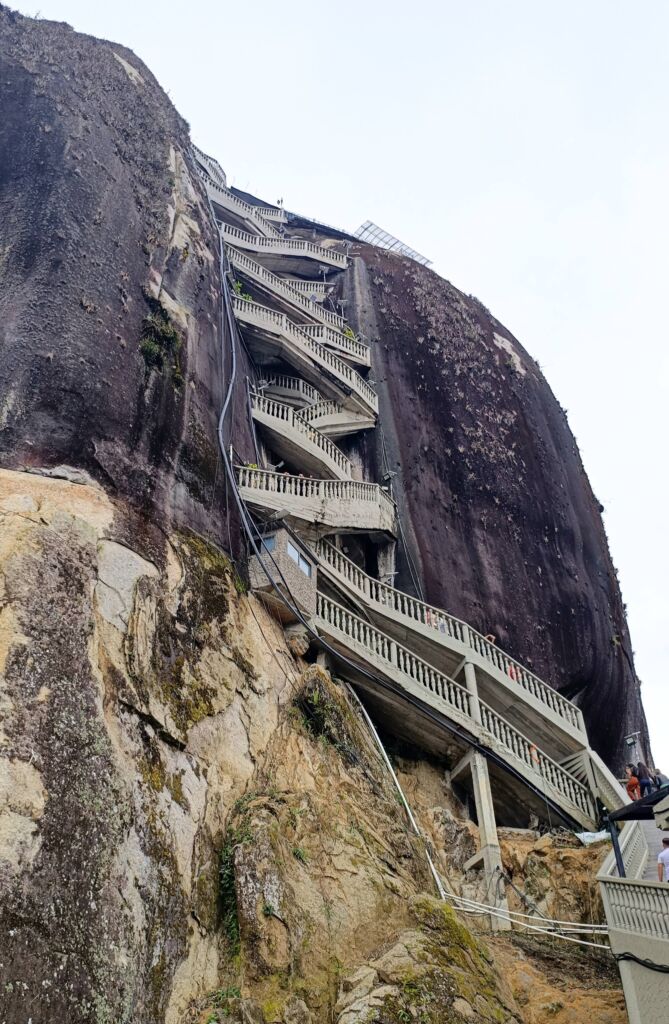
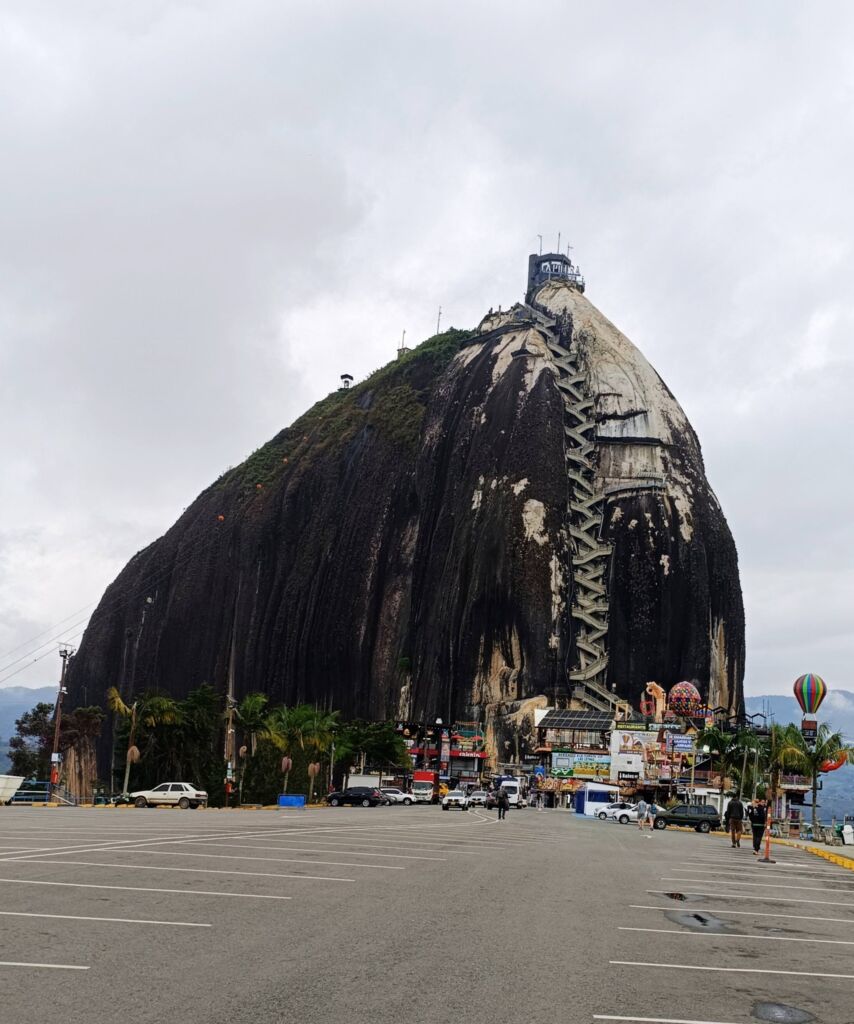 El Penol doesn’t ease into your field of vision. It announces itself… A monolith of granite that looks like it punched its way out of the earth mid-argument. Angry. Defiant. Entirely uninterested in blending in.
And then, because Colombians don’t believe in doing things halfway, they stitched 700-odd steps onto its side.
From a distance, it looks poetic. Up close, it feels like a negotiation with your lungs. Altitude chips in. Ego steps out. You climb anyway.
Somewhere around step 300, you start questioning life choices. Around step 500, you make peace with them. At the top… you forget the question altogether.
Because, the view? It doesn’t just reward you. It forgives you.
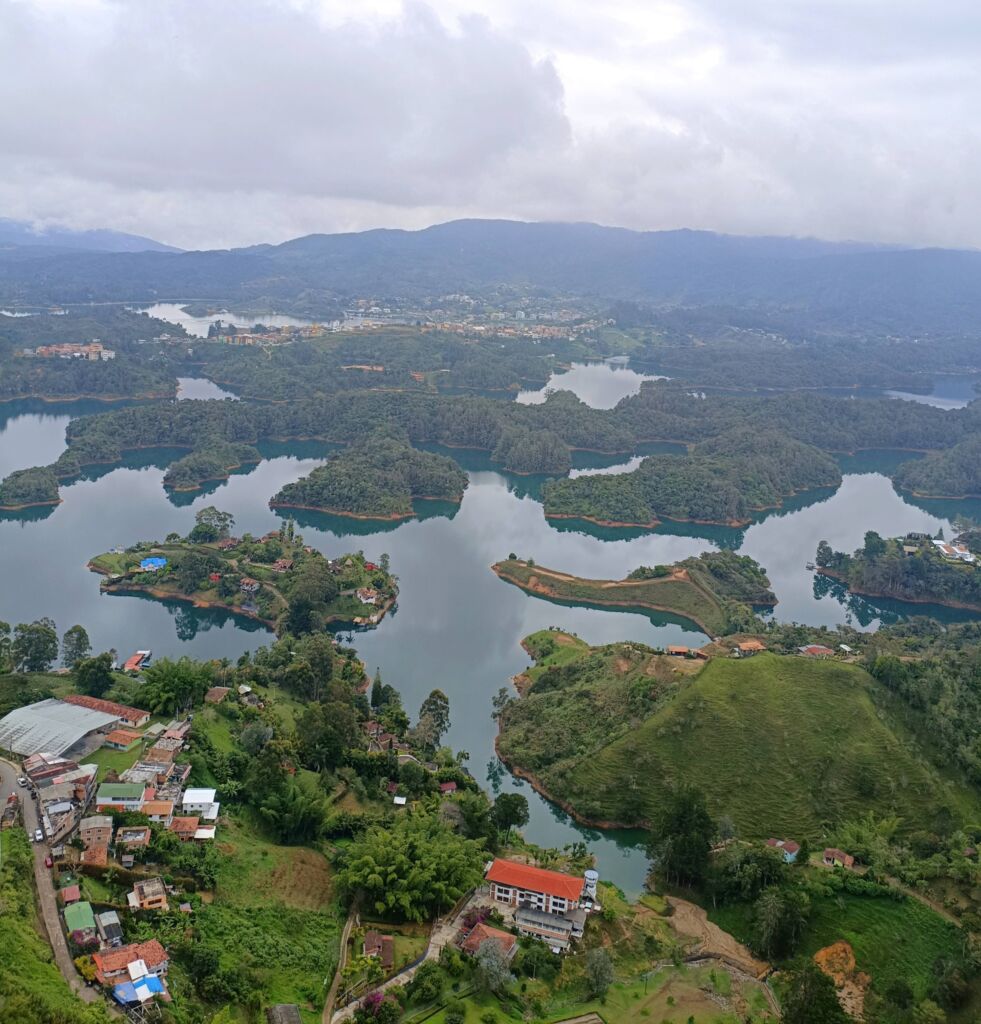
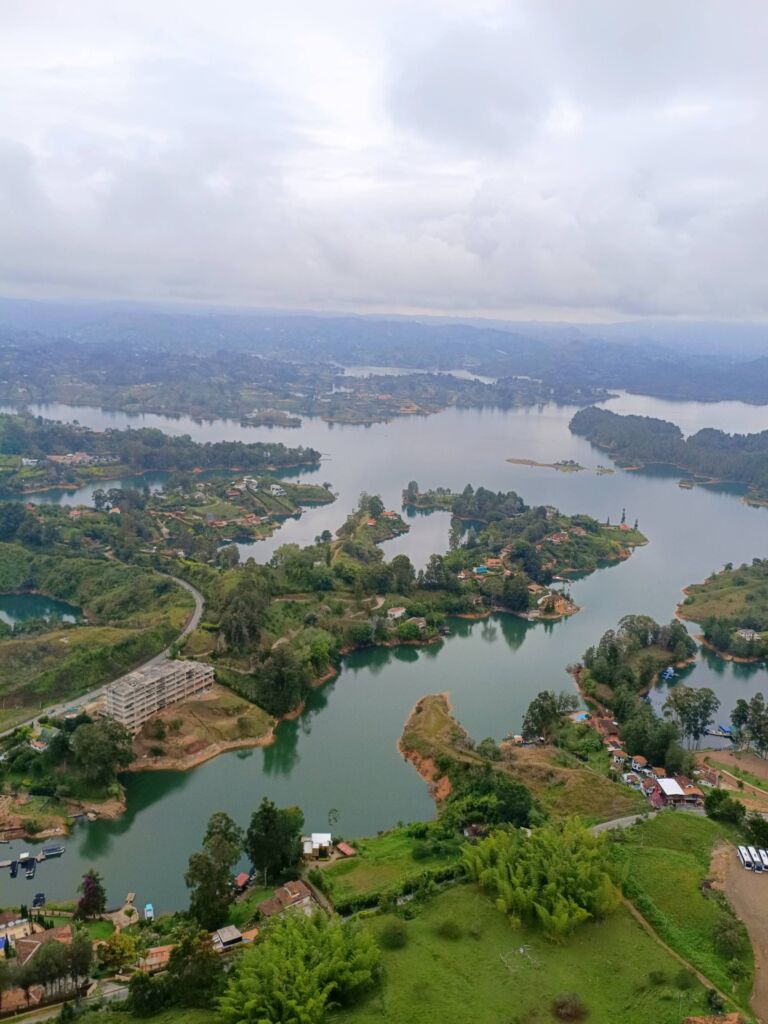 Water everywhere. Islands scattered like someone dropped a handful of emeralds and didn’t bother picking them up. Silence, but the good kind. The kind that settles in your bones.
Guatape — Color, Chaos, and a Sense of Humor
Back down, reality returns. Loudly.
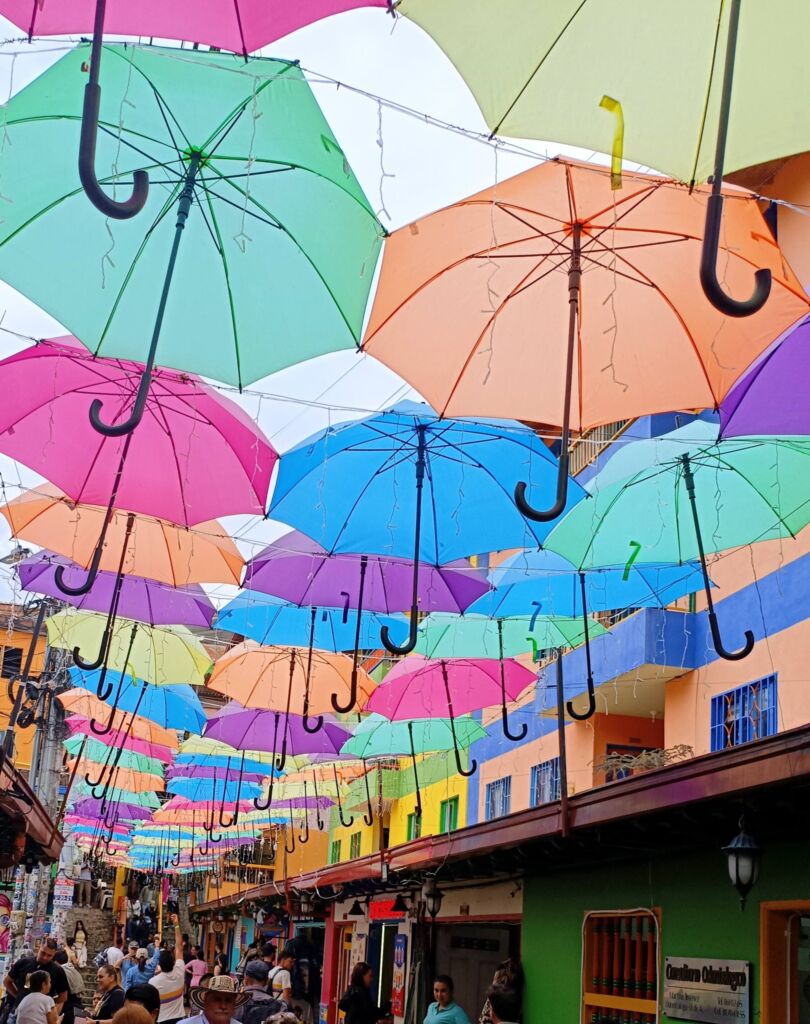
Guatape is where Colombia lets its hair down… a riot of color, commerce, and controlled chaos. Houses painted like they’ve had too much coffee. Walls telling stories through zocalos, carved, painted panels that are part art, part identity.
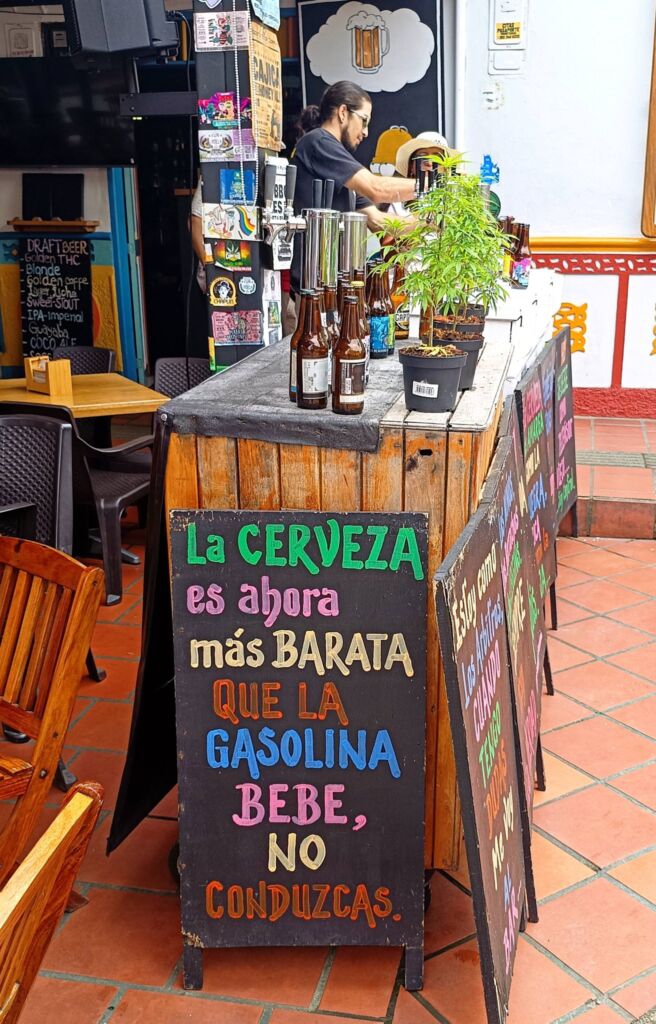
The famous umbrella street? Less a street, more a festival that forgot to end. Tourists everywhere. Cameras everywhere. Magnets, trinkets, beers, “funny smokes”… sometimes all at once.
And yet, in the middle of it all, a quiet church. Still. Grounded. Unbothered. Balance restored.
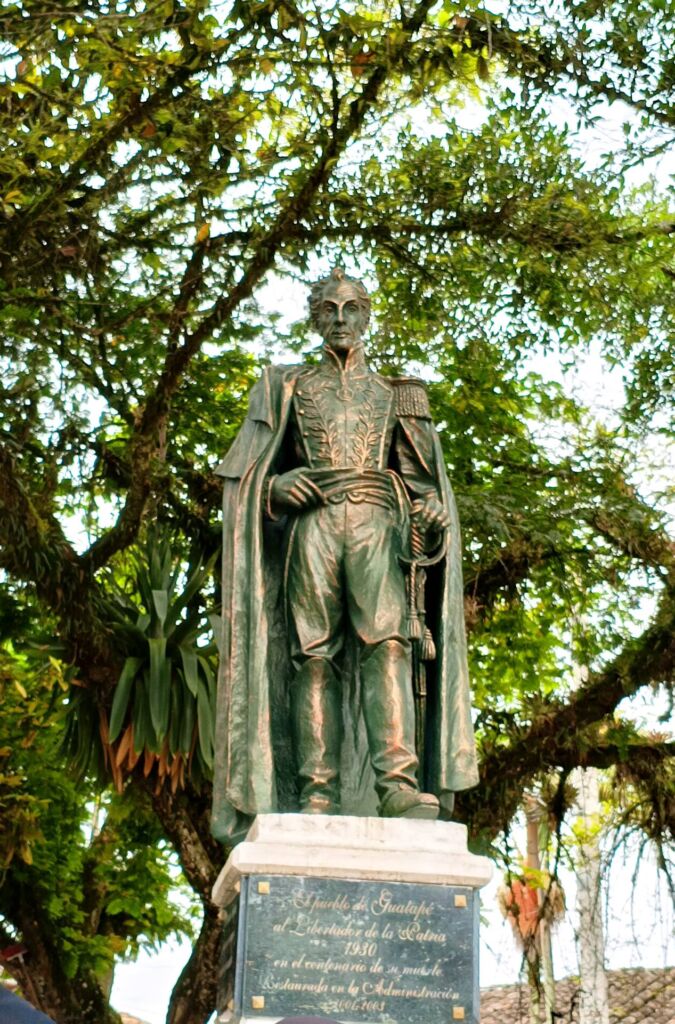
Somewhere nearby, a statue of a brooding Simon Bolivar watches this carnival of color… probably wondering what became of all that revolution.
The People: Warmth as Defiance
Medellin’s real story isn’t infrastructure. It’s people. The Paisas:
- Warm
- Entrepreneurial
- Resilient
- Quick to smile
There’s something quietly defiant about that. To go through what this city has gone through… and still greet strangers with warmth. That’s not accidental. That’s choice.
Today’s Medellin: Not Perfect, But Honest
Let’s not romanticize it. There are still:
- Inequalities
- Safety concerns in certain pockets
- Lingering shadows
But this is no longer a city defined by fear. It is defined by effort. By movement. By refusal.
So What Is Medellin, Really?
It’s not Escobar. It’s what came after. This is a city that looked at itself… didn’t like what it saw… and chose to change anyway. Not loudly. Not perfectly. But persistently.
In my book, the soundtrack for Medellin is one full of grit and comeback energy. Its AC-DC’s “Back in Black”… Because Medellin feels like that… not a clean restart, not a polished redemption… but a loud, unapologetic return.
Plug in. Turn up. Move forward.
This was Part of the Mini Blogs on my travels in Colombia… Read the full travelogue here…
And just in case you want to visit Colombia, contact Beyonder Travel. Oh, and feel free to check out the other experiences across the world that are put up there…




Leave a Reply