
Kailash: The Mountain That Allowed Us To Come Close – Beyonder Travelogue
KAILASH: THE MOUNTAIN THAT ALLOWED US TO COME CLOSE
A journey to the center of somebody else’s universe… and perhaps a little of our own.
The Long Road to a White Pyramid – Mount Kailash
There are journeys that you plan. And then there are journeys that slowly plan you.
Kailash had been sitting quietly in some corner of my mind for years, like an old Pink Floyd track that occasionally returns to your playlist. You promise yourself you’ll listen to it properly one day. Then life intervenes… Until one day, it doesn’t.
And so, on a warm June morning, my wife and I found ourselves leaving Lucknow carrying thermal wear, woolen caps, medicines, a few anxieties, and an excitement that comes from travelling to a place that millions have considered sacred for thousands of years.
This wasn’t another destination to tick off.
This was Kailash!
And mountains like Kailash don’t care about your bucket list.
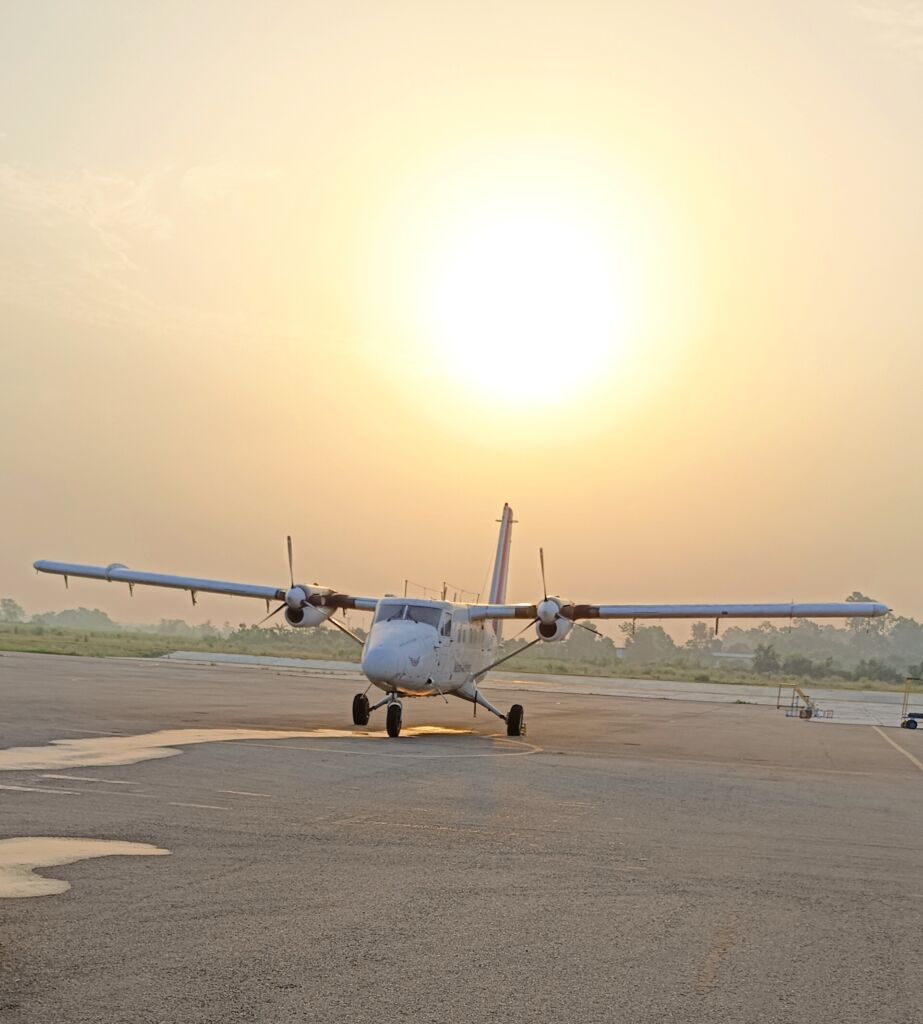
Nepalganj: The Waiting Room of Pilgrims to Mount Kailash
Every great pilgrimage has an antechamber.
For Kailash, it is Nepalganj.
Nobody really comes here to see Nepalganj. They come because it stands at the threshold of something much larger.
The hotel lobby looked like a casting call for a Himalayan expedition. Down jackets. Trekking poles. Oxygen cans. Nervous smiles… Every conversation had one subject. Altitude.
Everyone suddenly became a part-time doctor. “Drink water.” “Don’t climb stairs.” “Take Diamox.” “Don’t take Diamox.”
I suspect if someone had sneezed, five people would have checked his oxygen saturation.
The pilgrimage had not even begun and already we were all pilgrims.
Simikot: Where Mountains Begin to Speak
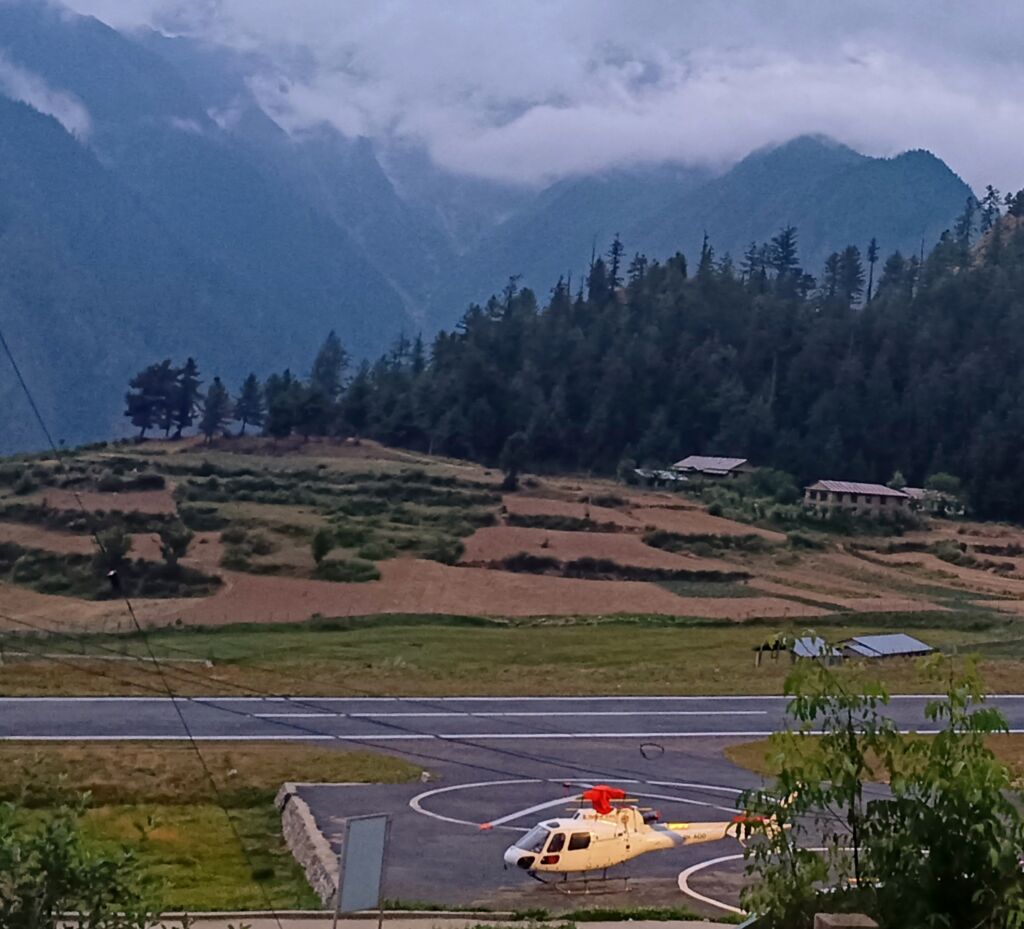
The helicopter dropped us into a landscape that felt like a transition between worlds.
The air had changed. And the colors had changed… Even the silence had changed.
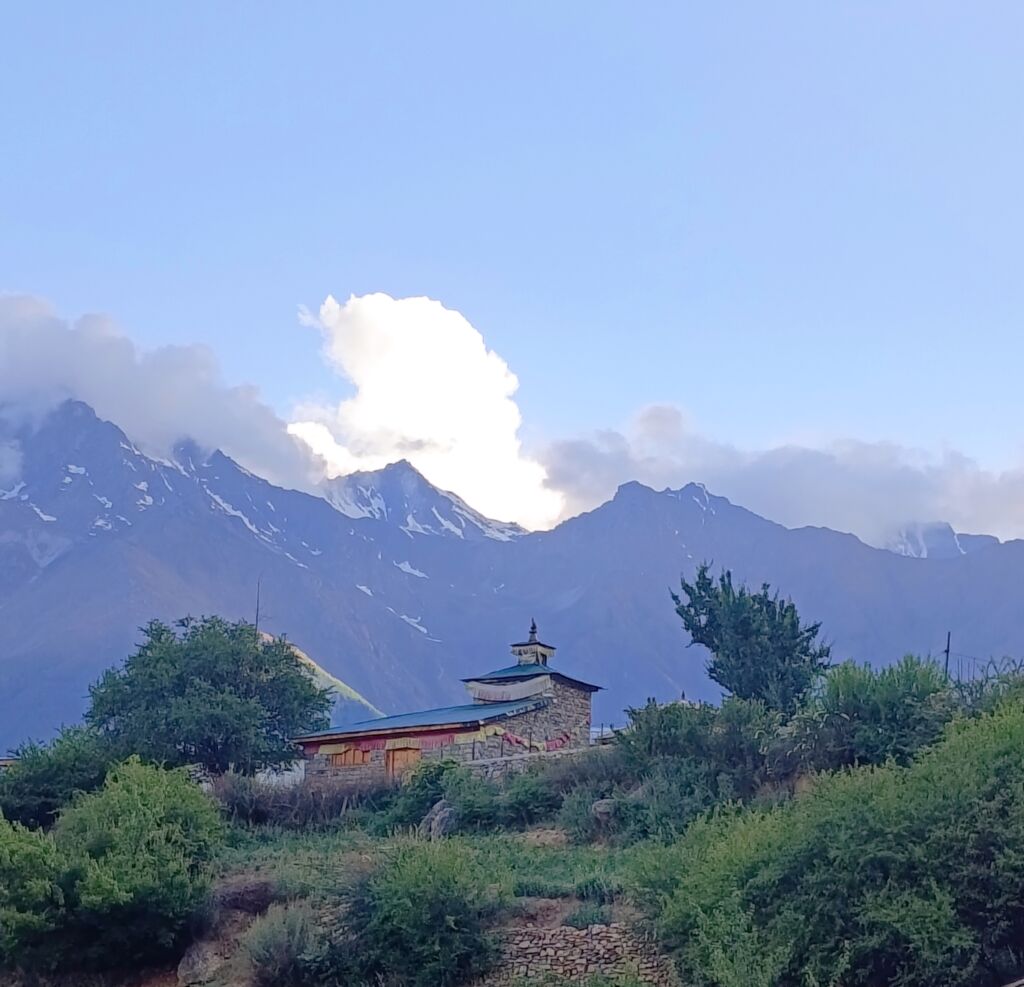
Clouds rolled lazily over dark green ridges and the little monastery sitting against the mountains looked less like a building and more like a prayer that had become solid.
The Himalayas have a way of reducing your importance without hurting your ego.
You simply realize that you are very, very small.
And strangely, that feels comforting.
Purang: The Last Town Before Mythology
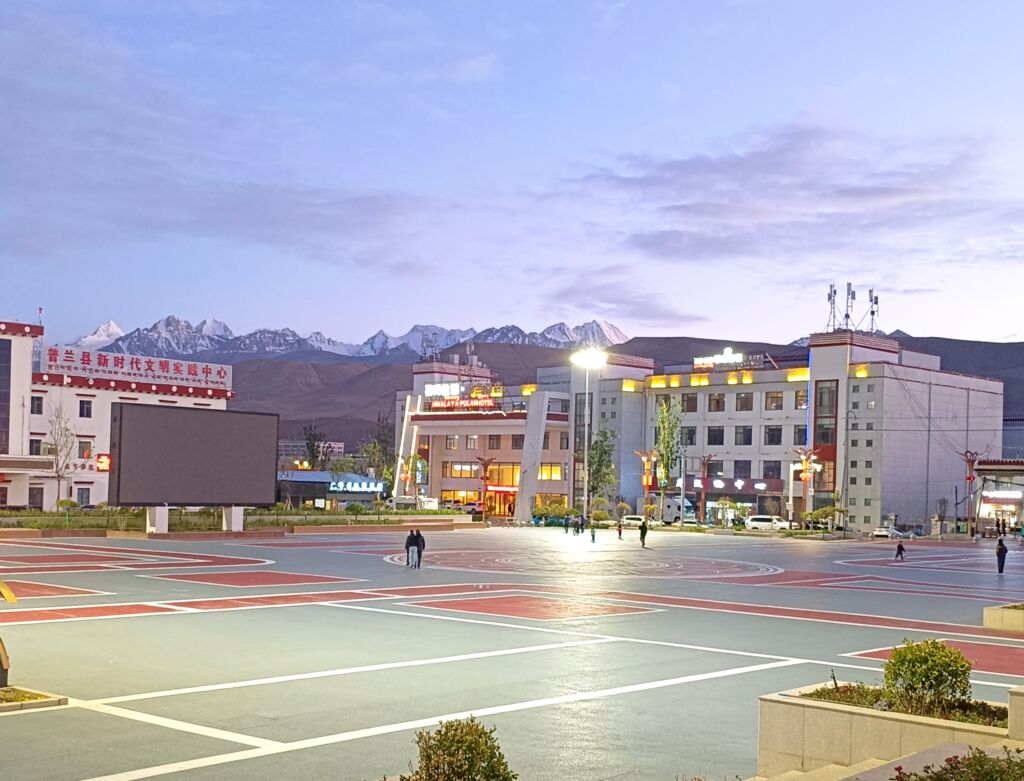
Purang surprised me… Broad roads. Neon signs. Modern buildings. Snow peaks in the distance…
This was also where reality started asserting itself.
Oxygen levels dipped. Headaches appeared. Sleep became a negotiation.
Some pilgrims became quieter. Others became more cheerful.
The mountain had started its work.
For more on the history and geography of this extraordinary region, read: Mount Kailash & Manasarovar: Where Heaven Keeps Its Address Public.
The First Sighting: Rakshas Tal and the Mountain Beyond – Kailash
There are introductions that are gentle. And then there are introductions that are theatrical.
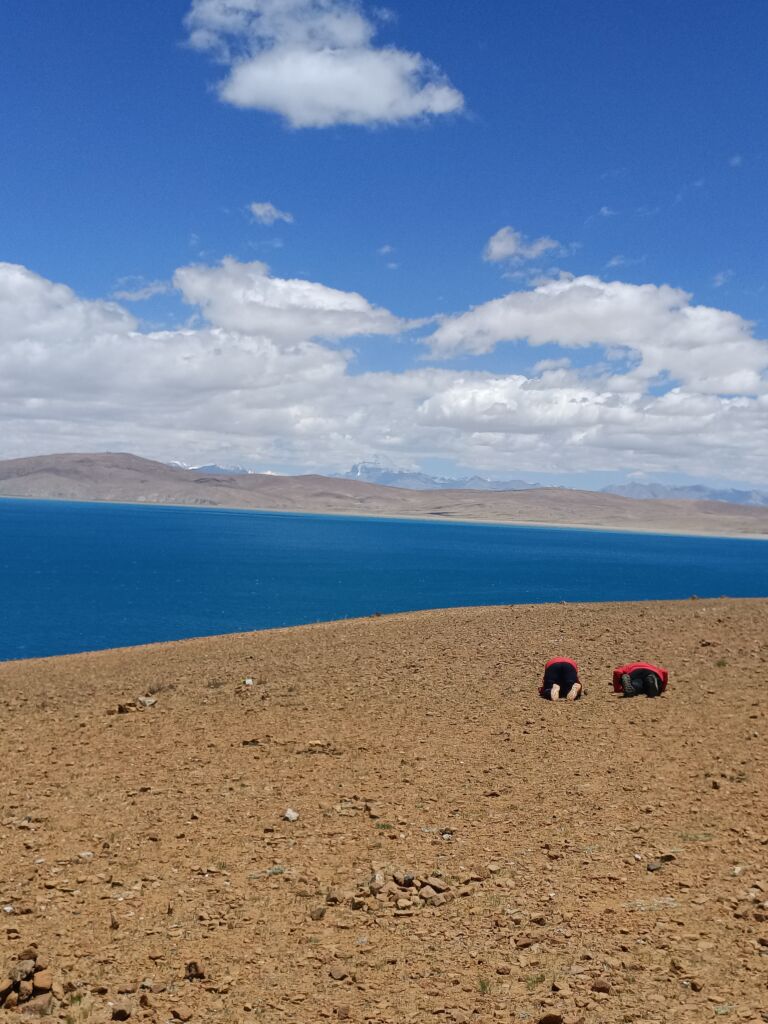
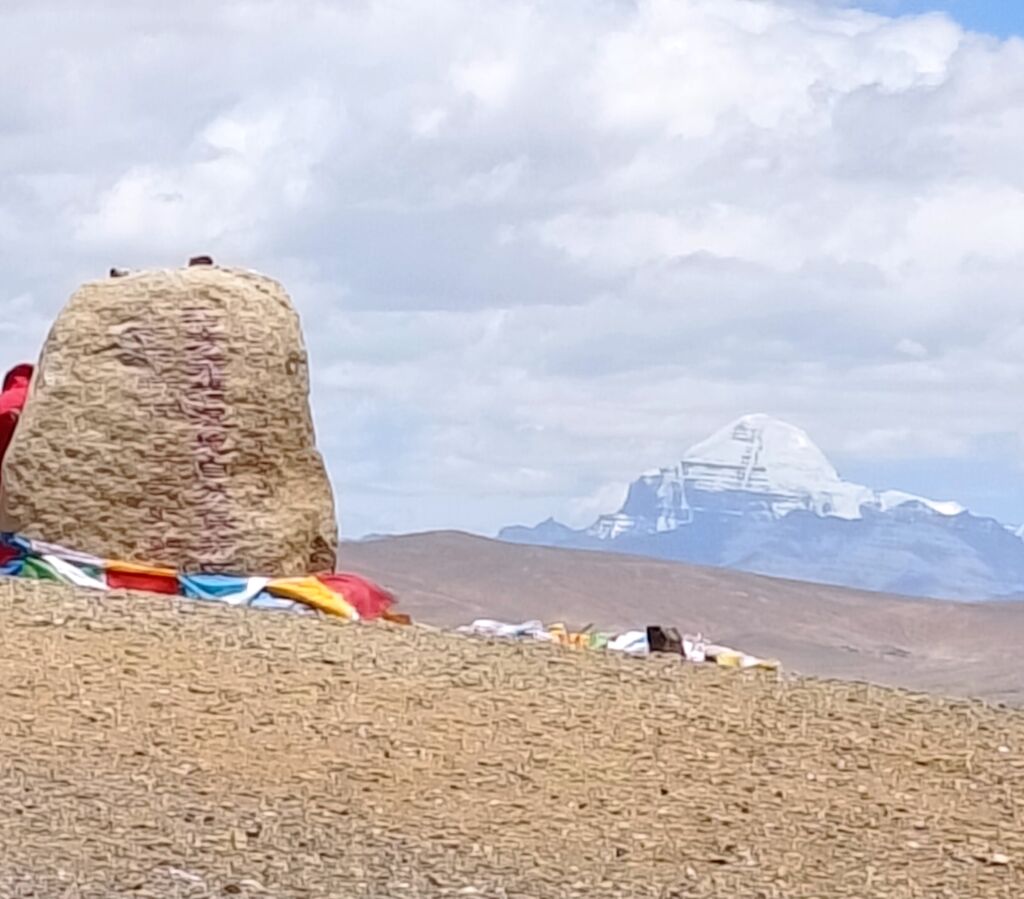
Our first sight of Kailash came not from the sacred waters of Manasarovar but from the dark, windswept shores of Rakshas Tal.
The lake lay before us in shades of deep cobalt and steel blue, the wind whipping across its surface. The landscape felt raw, almost primal. And there, far away on the horizon, rose a white shape.
Kailash.
Distant. Mysterious. Almost unreal.
I remember staring at it for several seconds before my brain finally registered what my eyes were seeing.
“That’s it. That’s Kailash.”
After years of seeing photographs and reading stories, the mountain had finally stepped out of mythology and into real life.
And yet, even from this distance, it looked utterly detached from the world around it… as if it belonged to another dimension altogether.
The Dark Twin
Rakshas Tal and Manasarovar sit side by side, almost like twins with entirely different personalities.
Manasarovar is sweet-water, sacred, life-giving and associated with purity.
Rakshas Tal is saline, barren and steeped in darker legends.
Mythology
According to Hindu mythology, this was where Ravana, the king of Lanka, performed his fierce penance to Lord Shiva, standing on one leg for thousands of years and eventually offering his own heads one by one to win Shiva’s blessings.
The lake derives its name from this association with the Rakshasa king.
Local Tibetans call it Lhanag Tso – the Dark Lake.
Even today, there are no settlements on its shores, and birds and animals are noticeably fewer than around Manasarovar. Whether this is coincidence, ecology or something more mystical is left to the imagination.
Standing there, looking at the blue waters and the white mountain beyond, I couldn’t help but think that the legends somehow suited the place.
Rakshas Tal has a strange, lonely beauty. A place that seems to belong equally to gods, demons and storytellers.
And perhaps it was fitting that our first meeting with Kailash happened here… Not beside the pure waters of Manasarovar… But from the shores of a lake associated with demons, penance and untamed devotion.
Because every pilgrimage, like every human being, contains both light and shadow.
And Kailash, it seemed, embraces them both.
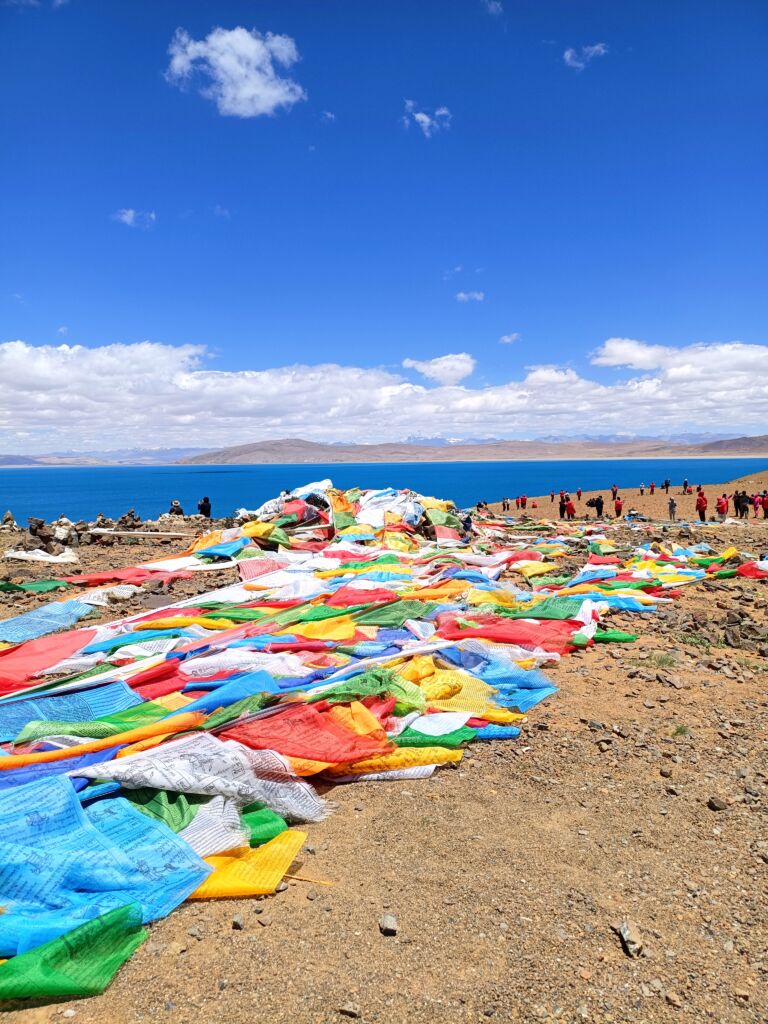
The First Sight of Manasarovar
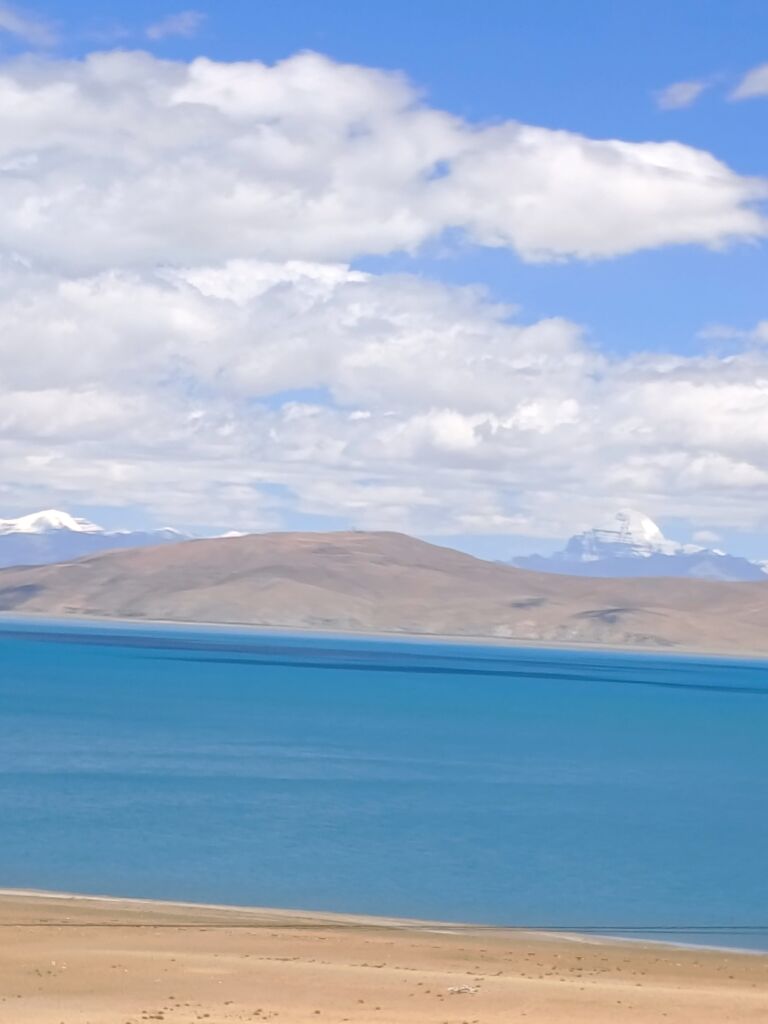
And then came the lake… There are blue lakes. Then there is Manasarovar.
The water looked impossible. A shade of blue that belonged more to a dream than to geography.
The wind was ferocious. The kind that steals words from your mouth.
And there, across the waters, faint and distant…
Kailash.
A white shape. A suggestion. Almost shy.
I had imagined our first meeting with the mountain would be dramatic. Instead, it was gentle.
As if Kailash was saying: “You’ve come a long way. We’ll get acquainted slowly.”
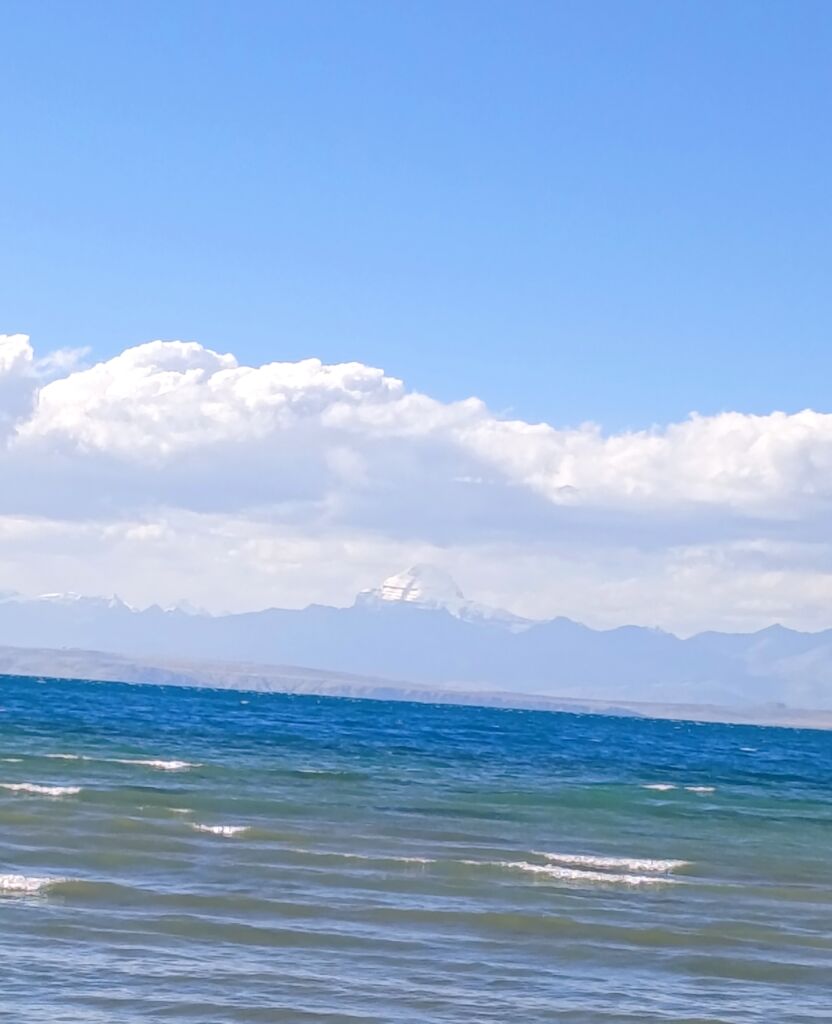
Why is Lake Manasarovar sacred?
According to Hindu mythology, the lake was first conceived in the mind of Brahma himself. Its waters are believed to cleanse lifetimes of karma.
Buddhists believe Queen Maya dreamt of these waters before the birth of the Buddha.
The lake is sacred to Jains and followers of Bon as well.
Click here for more on Legends of Lake Manasarovar — The Lake That Began as a Thought
The Mountain Decides – Mount Kailash
The plan was simple: Fly in. Acclimatize. Do the three-day Mount Kailash Parikrama. Return home with photographs and stories… The mountain had other ideas…
By the time we reached Darchen, my wife wasn’t feeling her best. Altitude does not negotiate. It doesn’t care how long you have planned your pilgrimage or how badly you want to walk around the mountain.
A pilgrimage is not an examination. You don’t fail because you don’t complete the parikrama.
You listen. You respect the mountain… And sometimes wisdom lies in turning back.
So we chose not to do the Kailash Parikrama.
For a few moments, I felt disappointed.
Then I looked up. Kailash was right there… And I realized something…
The mountain had already given us far more than we had come seeking.
Yama Dwar: Leaving Something Behind at Mount Kailash
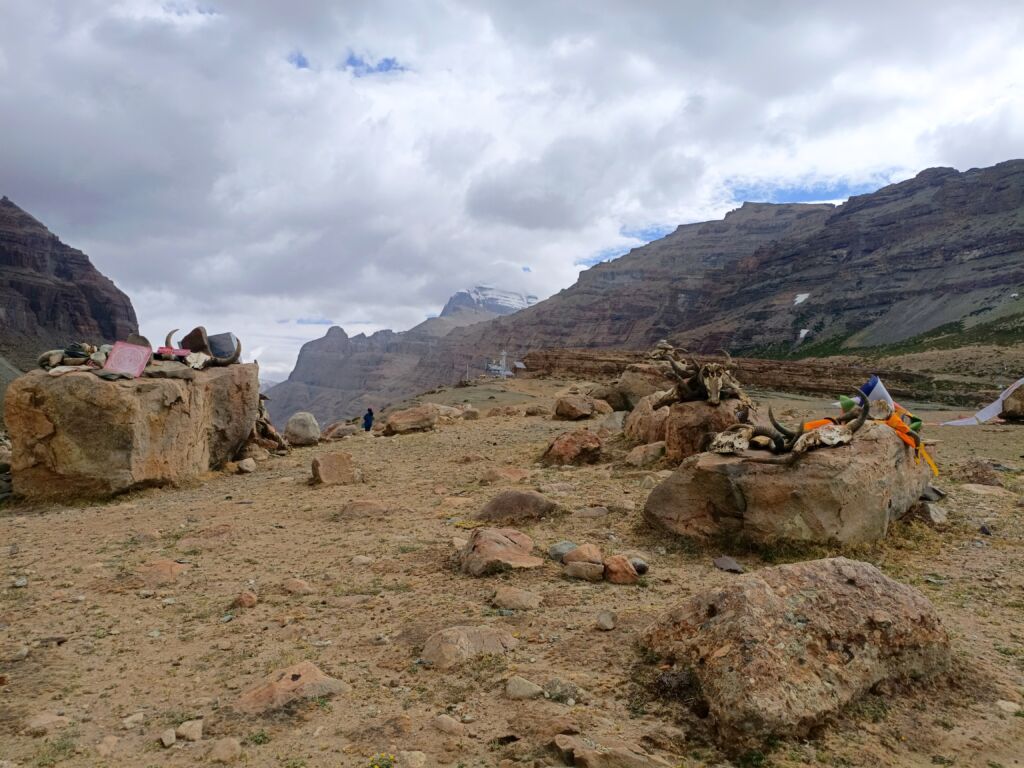
Pilgrims pass through Yama Dwar symbolically leaving behind their old selves.
Old fears. Old burdens. Even Old identities.
If only life worked so conveniently.
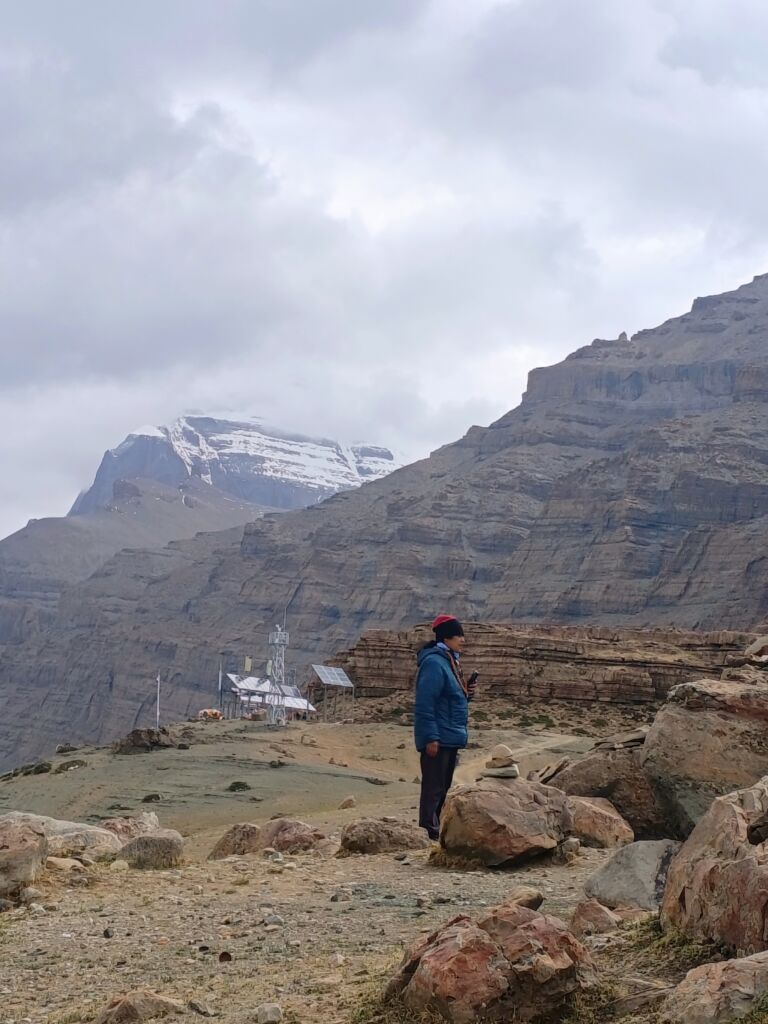
Still, standing there amid fluttering prayer flags and pilgrims from every corner of India, I felt something shift.
Maybe we don’t leave our burdens behind.
Maybe we simply become willing to carry them differently.
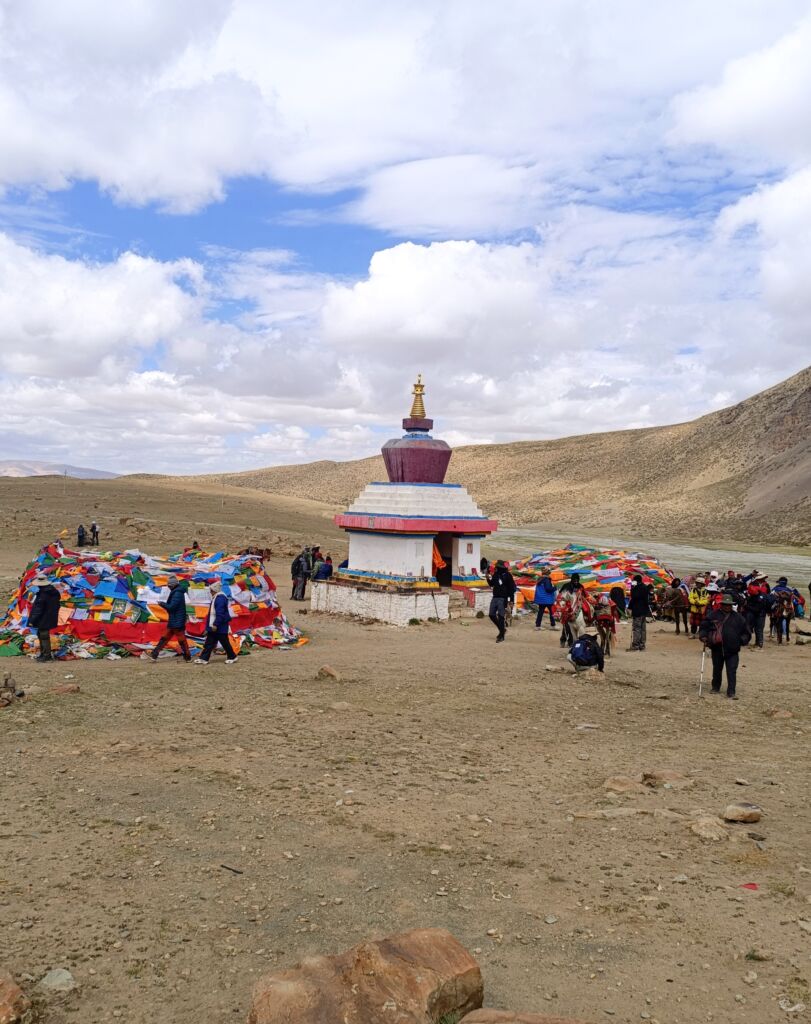
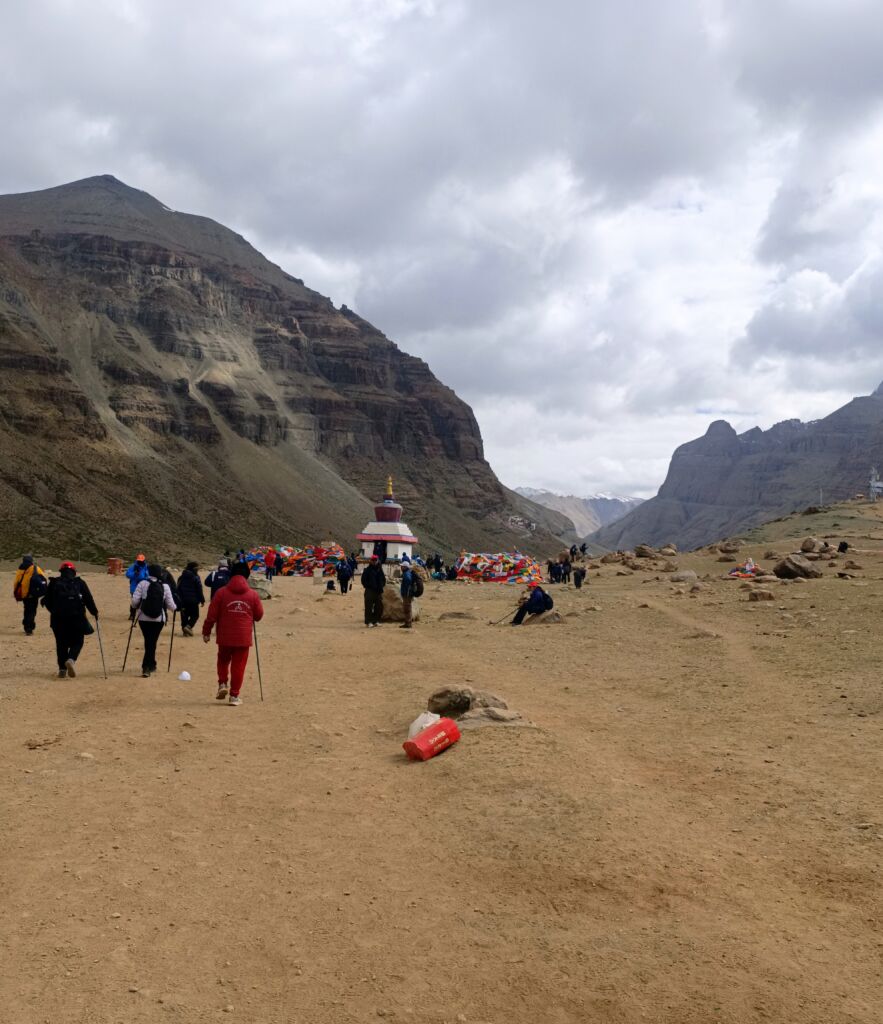
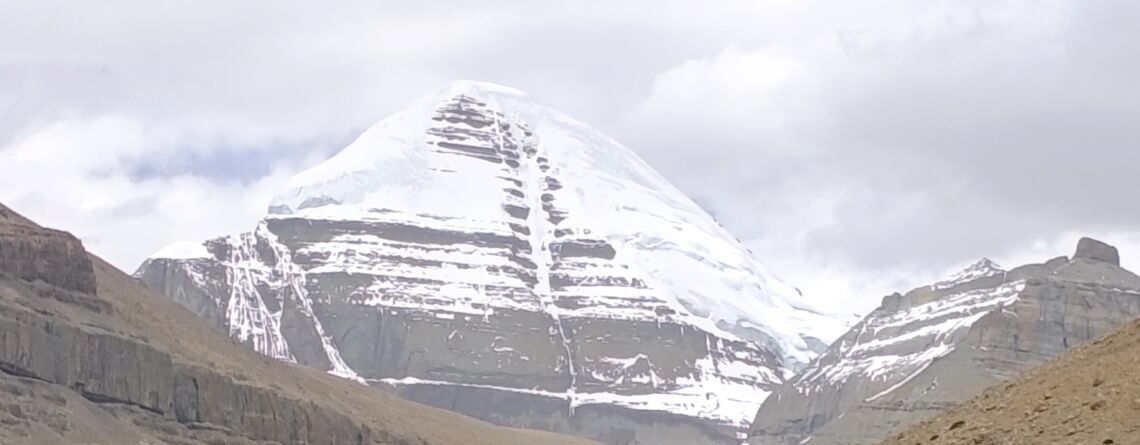
The First Full Sight of Mount Kailash
And then it happened… The clouds parted. The valley opened. And there it was. Mount Kailash.
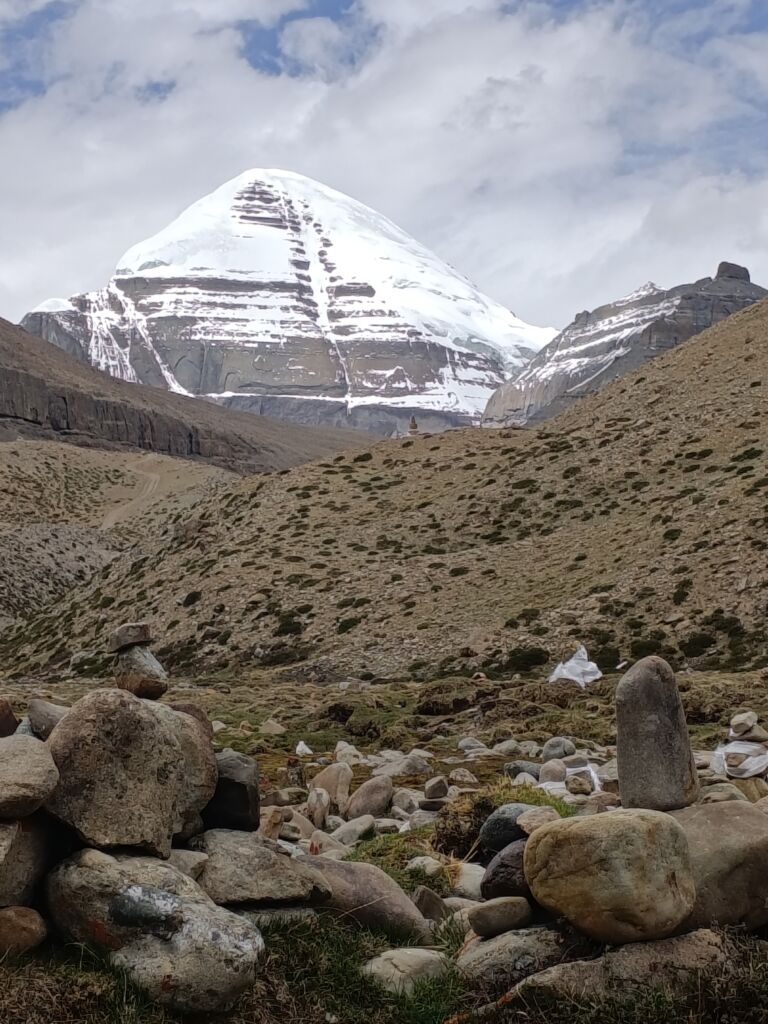
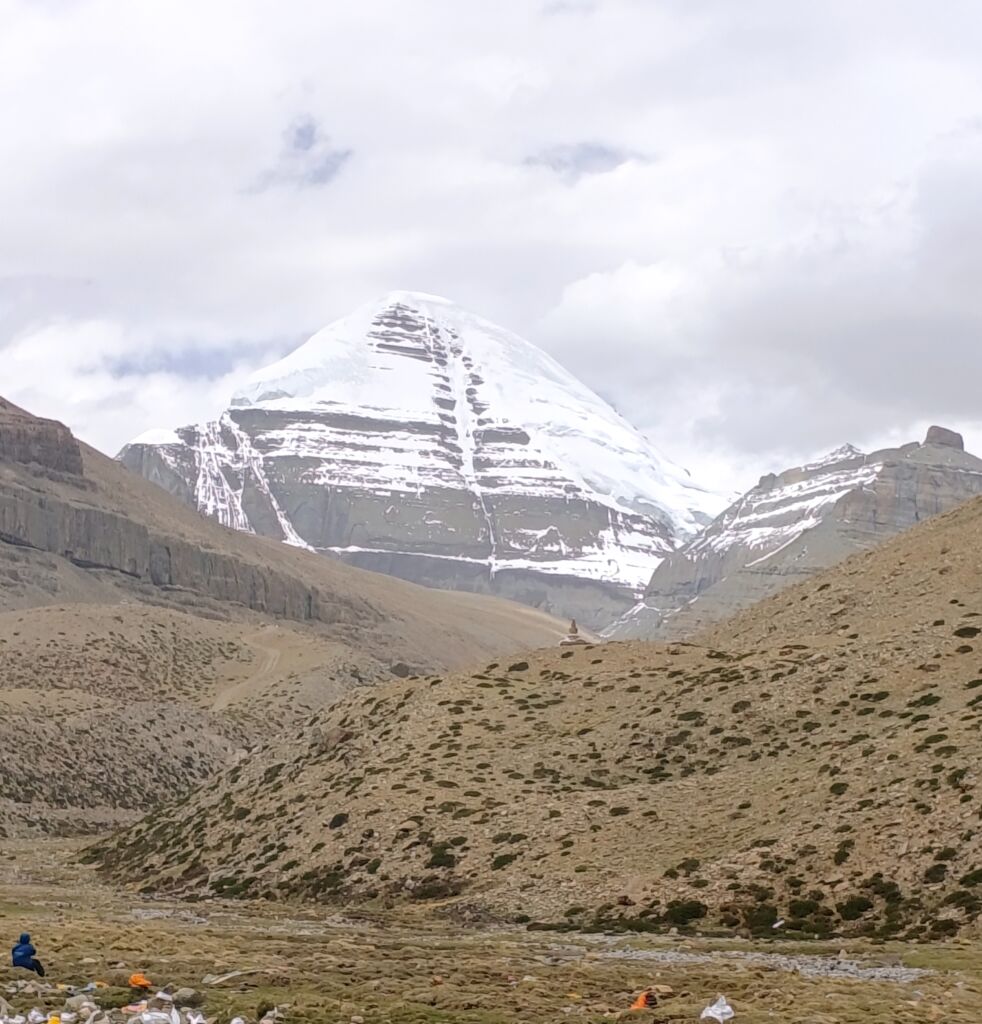
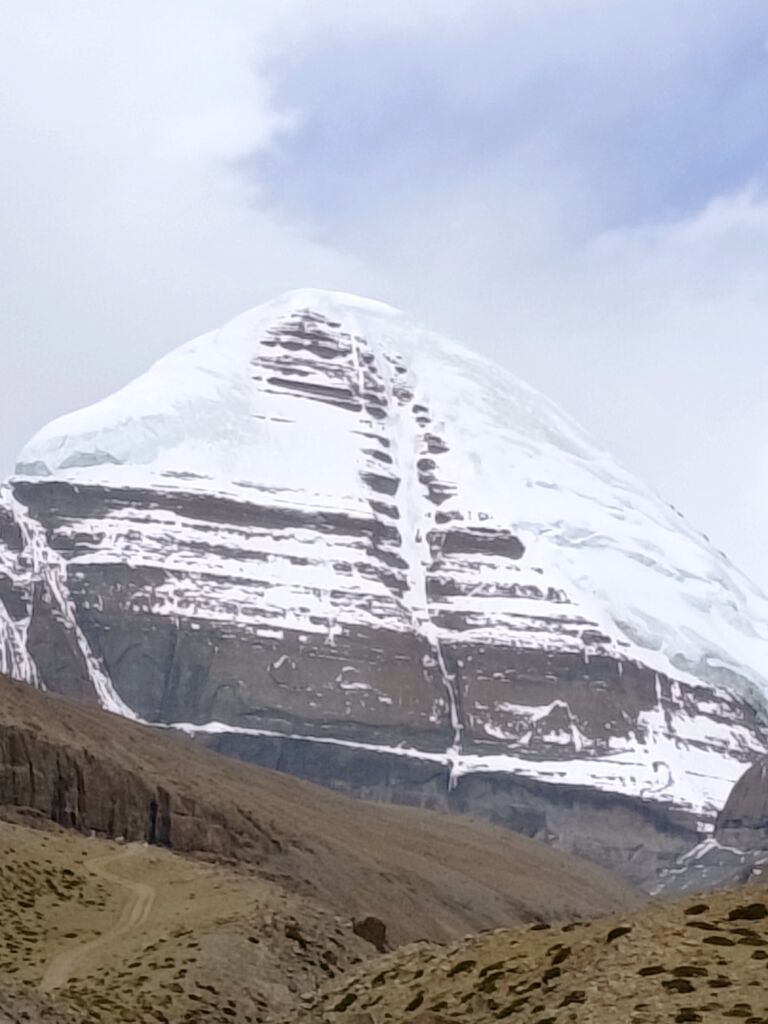
Not merely a mountain. A presence. A white pyramid rising out of brown earth.
Horizontal bands running across it like the pages of an ancient manuscript. A vertical cleft descending from the summit like a sacred mark.
I had seen hundreds of photographs. Nothing prepared me.
For several minutes I simply stood there.
Not praying. Not taking photographs. Just looking.
There are moments in life that are so complete that words become unnecessary… This was one of them.
A Short Detour to Eternity: Ashtapad
Just a short drive from Darchen, the dusty little base camp of Mount Kailash, lies a place that somehow feels even older than the mountain itself.
Ashtapad.
The name literally means “Eight Steps” or “Eight Terraces”, referring to the natural stepped formation of the mountain slopes here. It is also one of the most sacred places in Jainism and an important site in Hindu and Tibetan traditions.
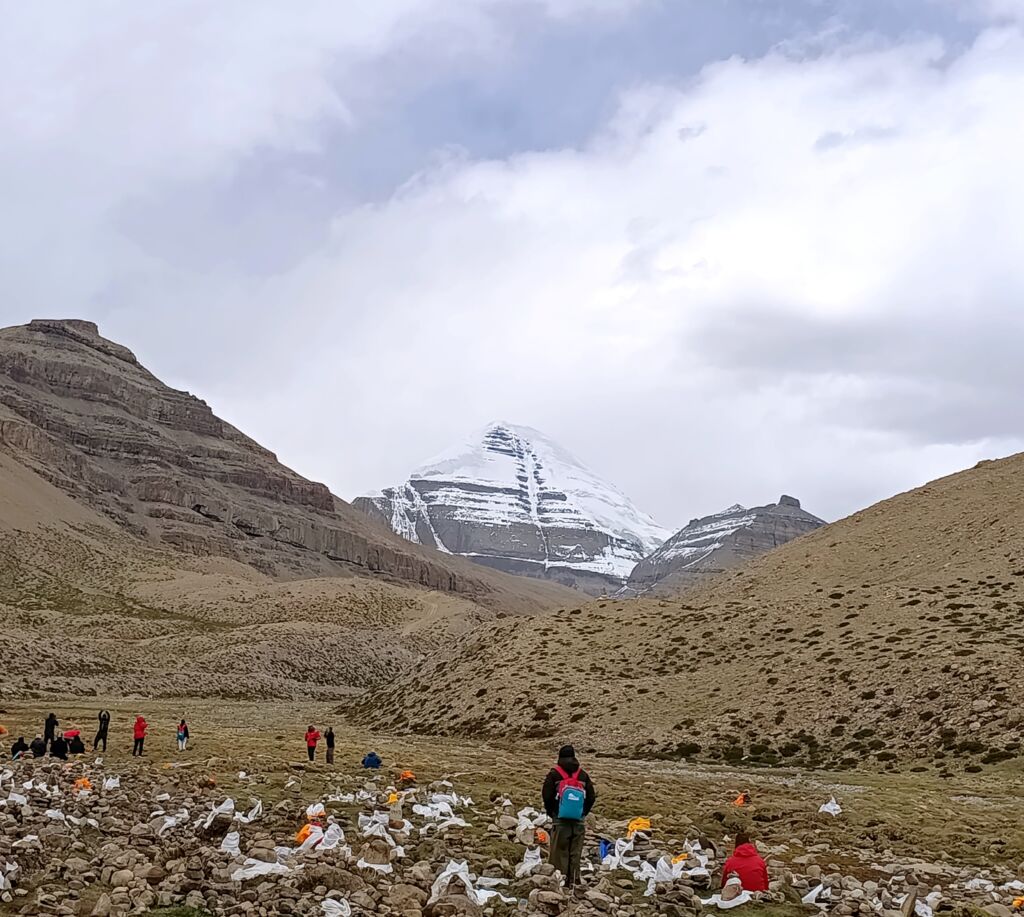
And, if I am being honest, this was where I had my finest view of Kailash.
Not the famous north face seen during the parikrama. Not the distant glimpse from Rakshas Tal.
This was the majestic South Face of Kailash, rising like an enormous white pyramid, serene and impossibly perfect against the Tibetan sky.
The Mountain of the First Tirthankara
For Jains, Ashtapad is of immeasurable importance. It is believed that this is where Lord Rishabhanatha (Adinath), the first Tirthankara, attained moksha or liberation.
Ancient Jain texts describe a magnificent temple built here by his son, Emperor Bharata, though no trace of it survives today. Yet the sanctity of the place remains, and many Jain pilgrims regard Ashtapad as one of the holiest spots on earth.
The Saptarishis and Nandi Parbat
Hindu traditions weave their own stories around these mountains. The ridges around Ashtapad are believed to have been places where the Saptarishis—the seven great sages of Hindu lore—performed penance and meditation, seeking the wisdom of Shiva.
Nearby stands Nandi Parbat, named after Nandi, Shiva’s devoted bull and gatekeeper. Seen from certain angles, the mountain is said to resemble a seated bull, eternally facing its master, Mount Kailash.
It is difficult to stand here and not understand why these stories arose. The landscape itself feels like a vast natural temple.
Silence hangs heavily in the air. The mountains seem less like rock and more like ancient beings in meditation.
I had come expecting the pilgrimage to revolve around the parikrama.
Instead, one of my most enduring memories came from this small detour from Darchen.
Standing at Ashtapad, with the South Face of Kailash glowing before me, I realized that sometimes the mountain gives its greatest gifts not to those who walk the farthest, but to those who simply stand still and look.
Why does Kailash look so different?
Ancient texts describe Kailash as Mount Meru, the cosmic axis of the universe.
Its almost perfect pyramidal appearance has inspired myths, legends and speculation for centuries… Some believe it is the center of the world. Others believe it is a spiritual energy center.
Whatever your beliefs, one thing is certain… No mountain quite looks like Kailash.
Go here if you want to read up on some of the Unexplained Phenomena of Kailash — Between Science, Myth & Clickbait Conspiracy
The Mountain and Its Stories
If mountains could collect stories, Kailash would need its own library.
- For Hindus, it is the home of Shiva and Parvati.
- For Buddhists, it is the earthly manifestation of Mount Meru.
- For Jains, it is where the first Tirthankara attained liberation.
- For followers of Bon, it is the seat of immense spiritual power.
Four religions. One mountain. The world has argued over almost everything.
Yet somehow, for thousands of years, humanity looked at this mountain and agreed: “There is something special here.”
Some of the great legends of Kailash
- Ravana tried to lift Kailash and was trapped beneath it by Shiva.
- The Buddhist saint Milarepa defeated the Bon master Naro Bonchung in a contest of spiritual powers.
- Shiva and Parvati are believed to reside here eternally.
- The mountain has never been climbed and remains one of Earth’s great mysteries.
Click here for more on The Legends of Mount Kailash — The Mountain That Moonlights as a Mythology Library
Standing Before Kailash
Manasarovar
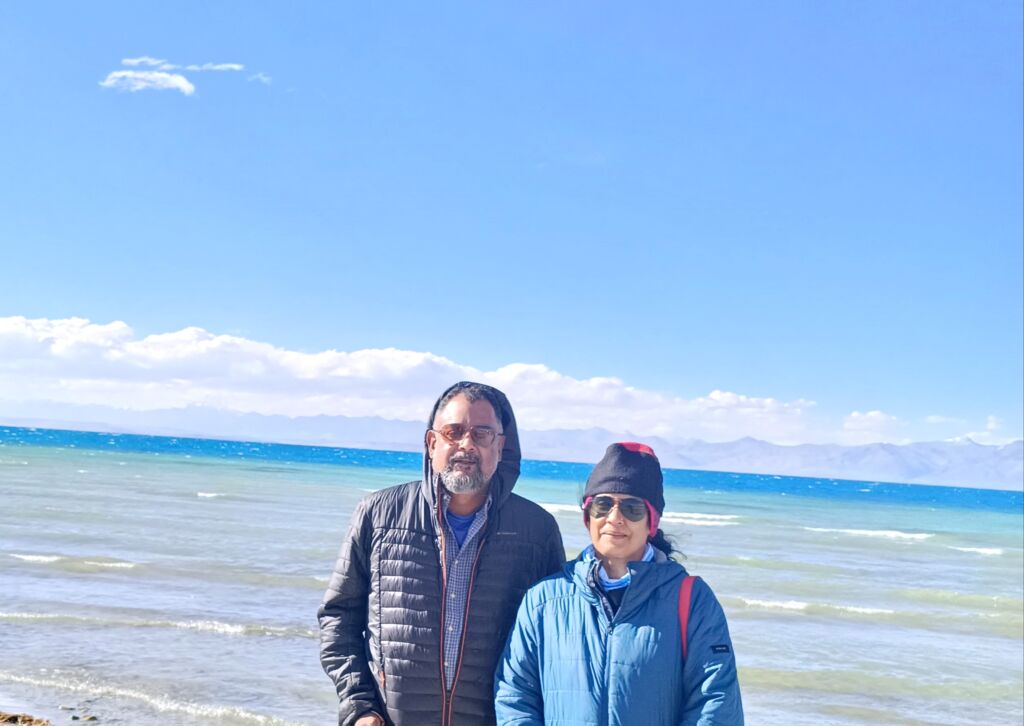
One of my favorite memories is not dramatic. It is simply the two of us standing beside Lake Manasarovar.
Cold. Windblown. Squinting into the sunlight.
No revelations. No celestial music. Just two people who had travelled a very long way together.
Pilgrimages are also love stories. Not always between people and gods. Sometimes between two people who have simply decided to keep walking together.
What Kailash Does to You
The mountain doesn’t answer questions… It asks better ones.
- What are you carrying?
- What matters?
- What can you let go of?
- What remains when the noise goes away?
At 5,000 meters, stripped of comfort and routine, you realize how little you actually need.
A warm cup of tea. A good night’s sleep. A glimpse of the mountain… Sometimes, that is enough.
Epilogue: The Mountain Remains – Kailash
We did not complete the Kailash Parikrama.
And strangely, I no longer feel that we missed something…
Because perhaps the true pilgrimage is not measured in kilometers walked around a mountain.
Perhaps it is measured in the amount of noise that falls away inside you.
And on that count, Kailash gave us everything.
Somewhere on the windswept shores of Manasarovar, with prayer flags snapping in the thin Tibetan air and a white mountain watching from afar, I realized something…
We spend our lives climbing mountains. Kailash doesn’t ask to be climbed. It merely asks to be seen.
And sometimes, just seeing is enough.
“Perhaps we don’t go to Kailash to find God. Perhaps we go there to discover how small we are beneath a very large sky… and why that feels strangely liberating.”

Leave a Reply