
Nazca Lines – Peru’s giant secret for the sky – Beyonder
Nazca Lines are the desert’s giant secret written for the sky.
Some places whisper history… Nazca shouts it across 450 square kilometers of desert.
Lines. Spirals. Trapezoids. Animals. Strange figures. All carved into the ochre floor of southern Peru sometime between 500 BCE and 500 CE.
From the ground, they are almost invisible. But from the sky, they explode into view. And that’s when the question hits you like desert wind: Why would an ancient civilization draw gigantic pictures meant to be seen from the air… centuries before humans could fly?
Welcome to the Nazca Lines, one of the most intriguing archaeological mysteries on Earth.
The Road to Nazca – A desert that feels endless
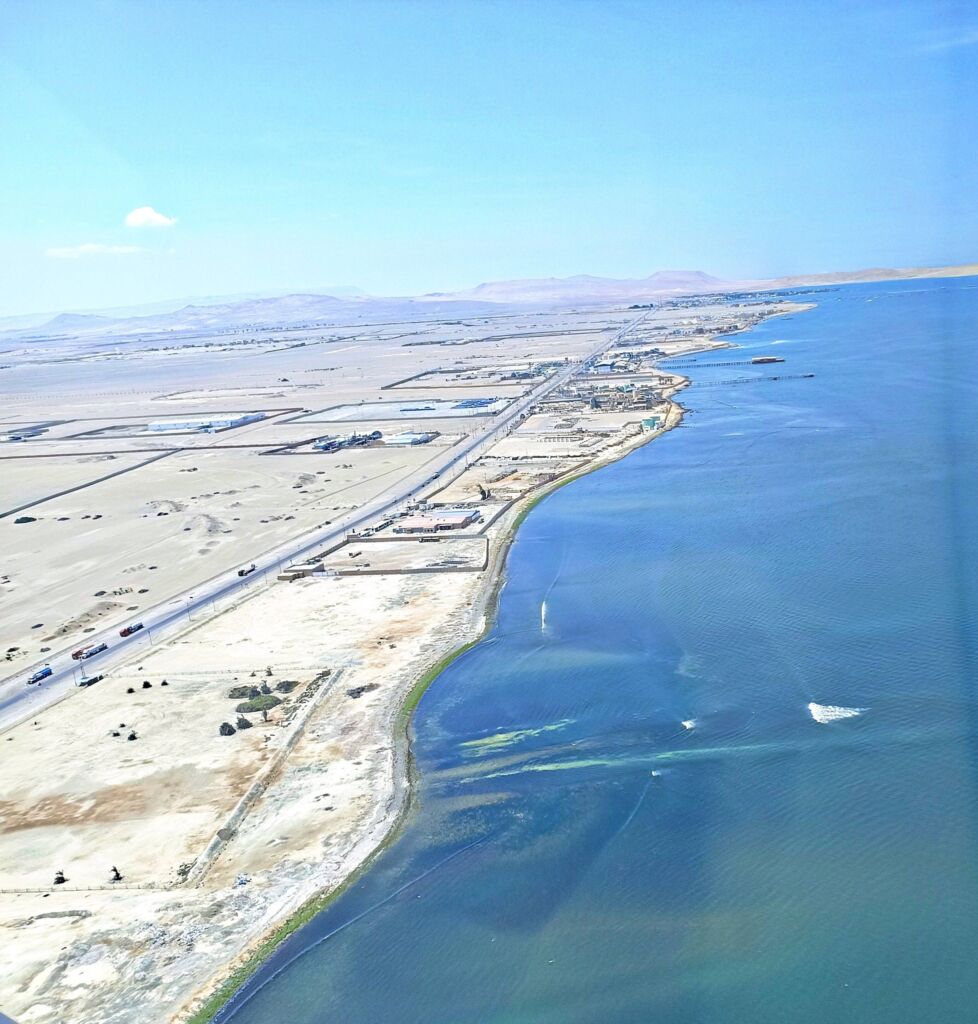
The journey begins with a long drive south from Lima. Slowly, the landscape gradually empties itself of colour. Green disappears, trees vanish and mountains flatten into sand and stone. Finally, the desert stretches out like an unfinished thought.
Then suddenly up comes a tiny town, a small airstrip, and a handful of small aircraft waiting in the heat. This is Nazca… And the real adventure is about to begin.
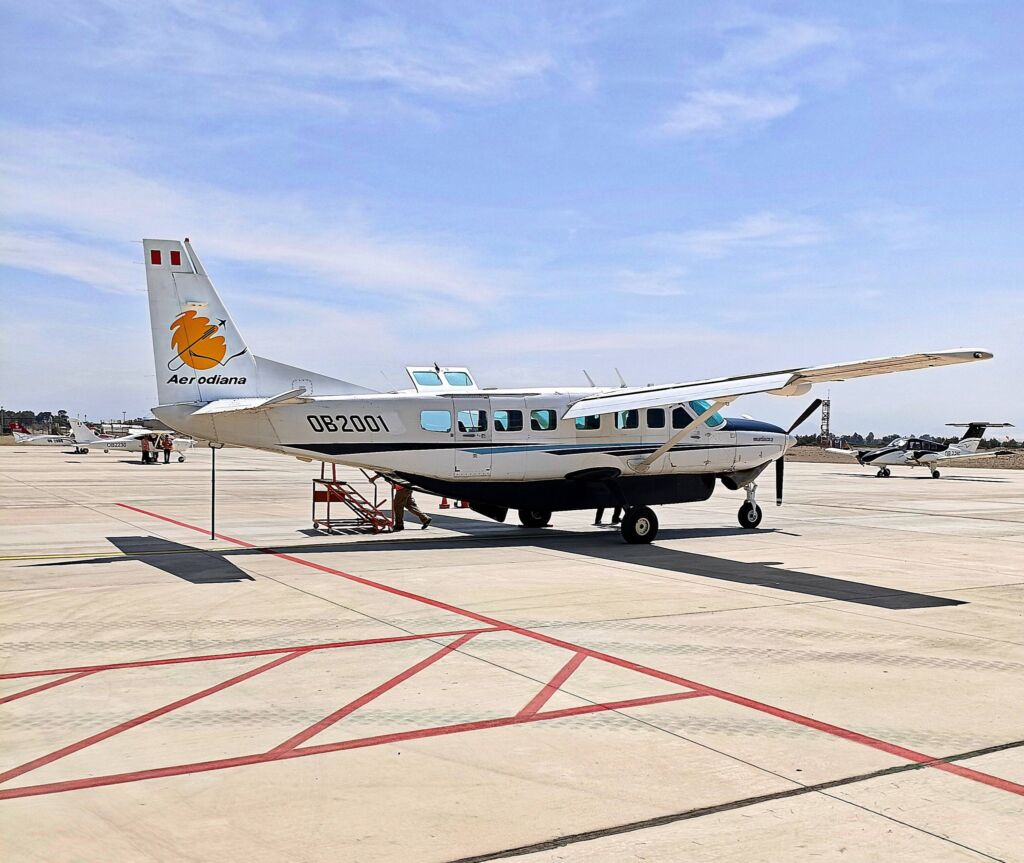
The humble-looking aircraft that unlocks one of the world’s greatest mysteries.
The Nazca Culture – Artists of the Desert
The Nazca civilization flourished between 200 BCE and 600 CE along Peru’s southern coast. They were brilliant engineers, expert potters, masters of textiles, sophisticated water managers and possibly many other things.
In one of the driest places on Earth, they created underground aqueducts called Puquios that still function today. But their greatest legacy lies etched into the desert floor. The Nazca Lines.
How were the Nazca Lines created?
The Nazca desert surface is covered by dark, oxidized stones. The Nazca people simply removed the darker stones, exposed the lighter soil underneath and created lines 30–40 cm deep. That’s it. No machinery. And no metal tools. No aerial view. Just geometry, planning, and patience.
The lines range from 40 cm to 2 meters wide and some extend for kilometers. And because the desert is so dry and windless, they have survived for nearly two millennia.
Discovery from the Sky – The Nazca Lines
For centuries the lines went largely unnoticed. Travelers walking through the desert could only see fragments. It wasn’t until the 1920s and 1930s, when airplanes began flying over the region, that the true scale of the Nazca Lines became clear.
Pilots looked down and saw giant animals, geometric shapes and enormous figures stretching across the desert. Suddenly the world realized something extraordinary had been hiding in plain sight.
The Flight – An Uber with wings
Standing next to the aircraft, it looks tiny. Inside, even smaller. Two pilots up front. Switches everywhere. Dials whispering secrets you didn’t ask for. No cockpit door. And no illusion. Just faith.
And then the engine roars. The plane lifts off. The desert opens beneath you.
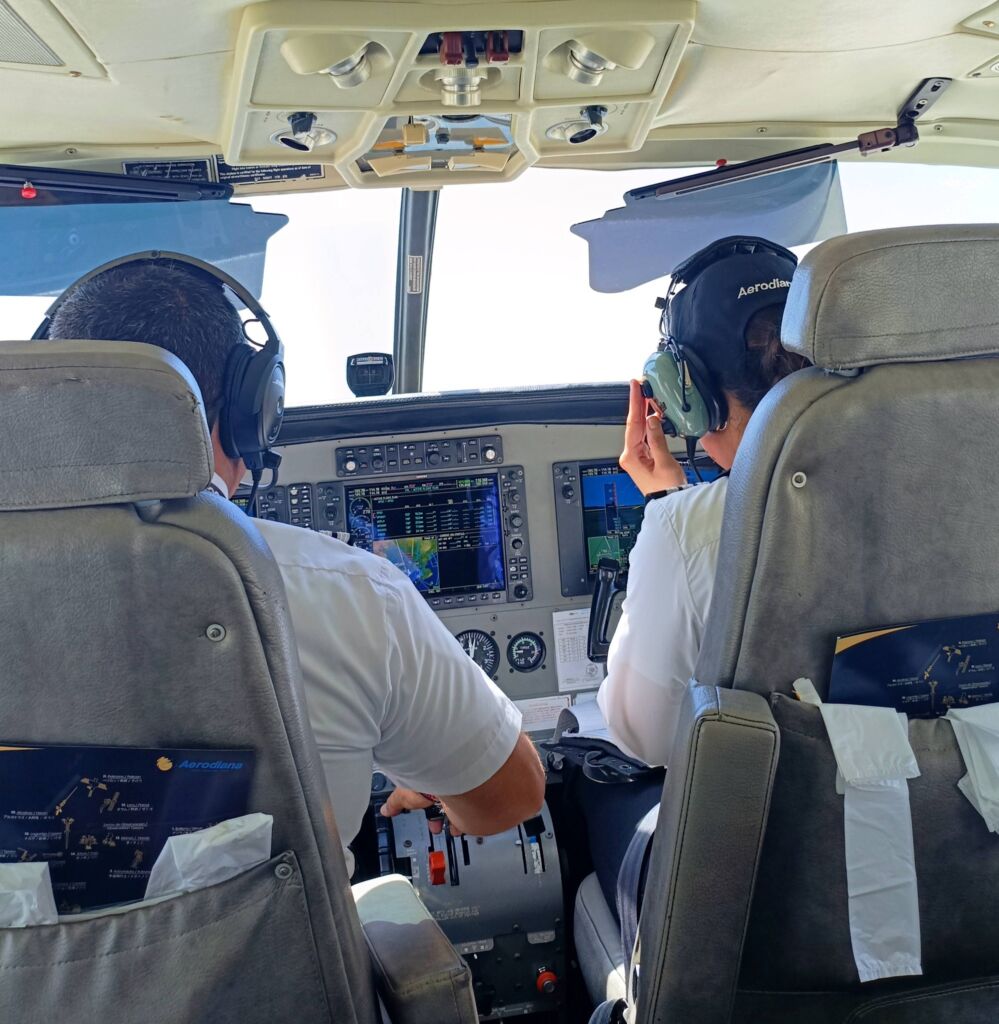 Front-row seat to one of archaeology’s greatest puzzles.
The pilot announces the first figure. Then the plane suddenly banks sharply left. Then dives slightly. And then tilts right. Every passenger gets a clear view. And your stomach briefly negotiates its relationship with gravity.
The Nazca Lines Figures – Giants drawn in Sand
Over 800 straight lines, 300 geometric shapes, and dozens of animal figures are scattered across the desert. Some are hundreds of meters long. Some are only a few meters. Each one is a masterpiece of ancient design.
Recent research using AI and drone imaging has discovered hundreds of additional geoglyphs, many depicting humans, animals, and everyday scenes. The desert still has secrets left.
The Spider – Nazca Lines
One of the first figures identified by researchers. About 150 feet long, elegant and symmetrical. Some scholars believe it represents a species of spider associated with rain and fertility — critical themes in a desert civilization.
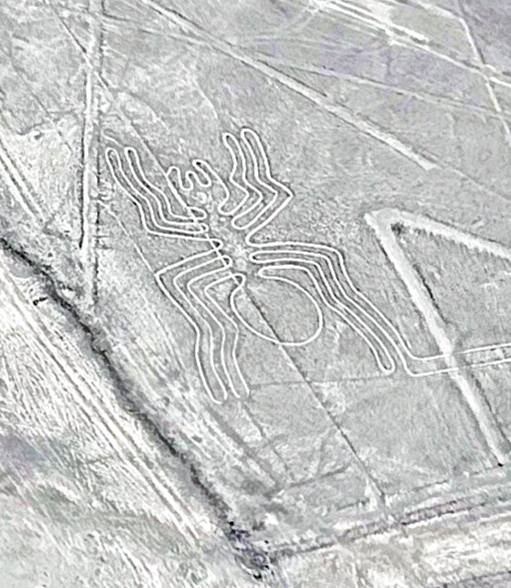 The Nazca Spider — delicate, precise, and nearly 2,000 years old.
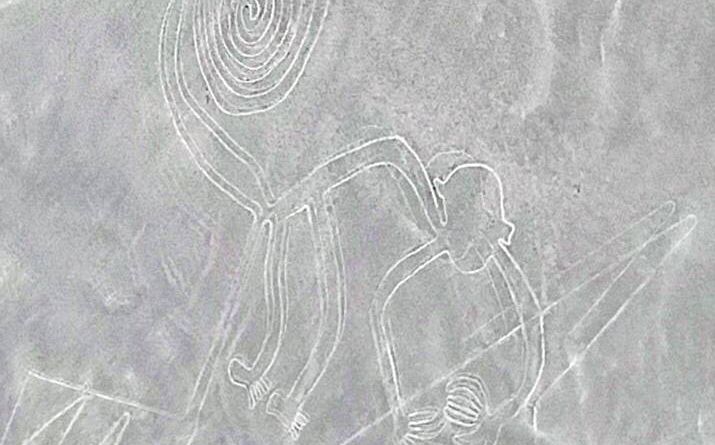
The Monkey – Nazca Lines
The Nazca Monkey is among the most playful of the geoglyphs. About 90 meters long, with a distinctive spiral tail and nine fingers. Curiously, monkeys do not live in this desert. They live in the Amazon rainforest hundreds of kilometres away. Which suggests ancient trade routes or symbolic connections between ecosystems.
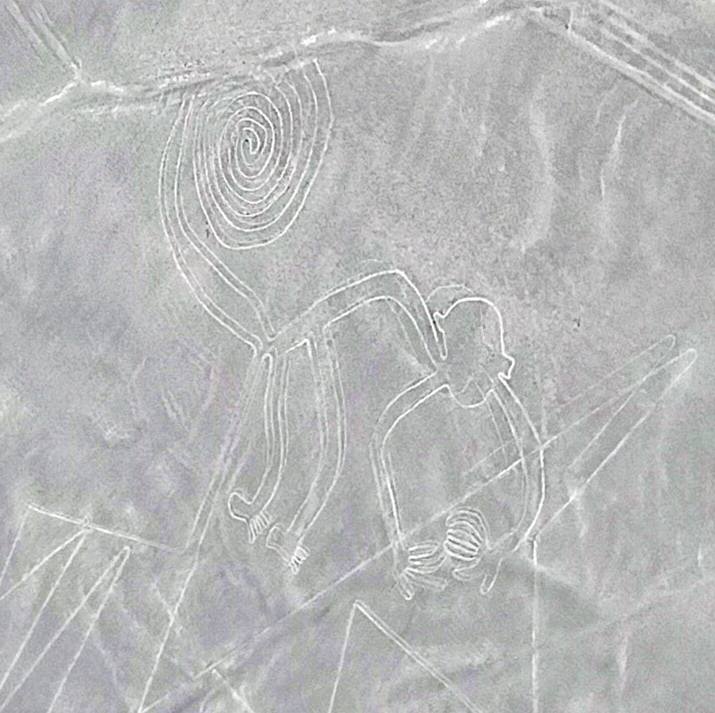 The Monkey — whimsical, mysterious, and impossibly large.
The Dog – Nazca Lines
Less famous, but wonderfully expressive. Ears alert. Tail stretched. Body poised. Some archaeologists believe it may represent the Peruvian Inca Orchid, a hairless dog native to the region.
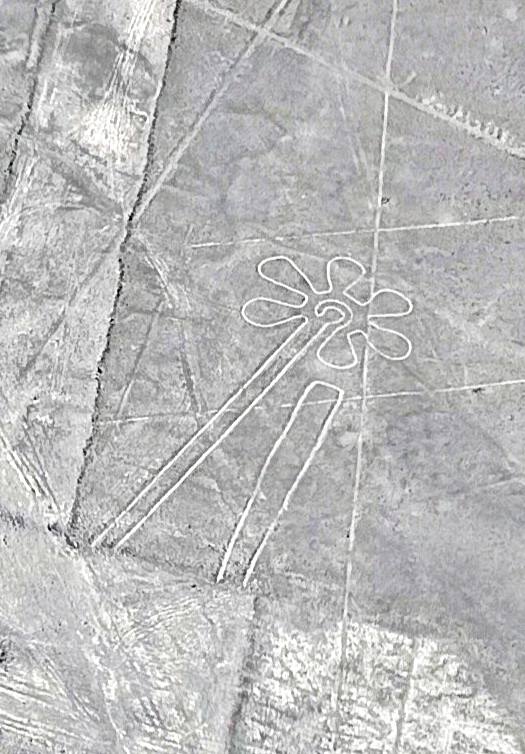
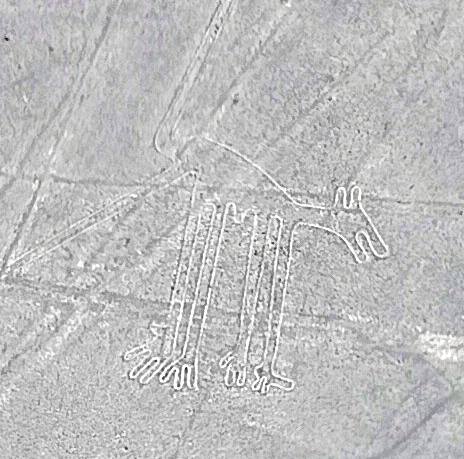 The Flower – Nazca Lines
This is one of the more abstract figures. Elegant, geometric, almost modern in appearance. The Nazca seemed to enjoy mixing nature and geometry in their designs.
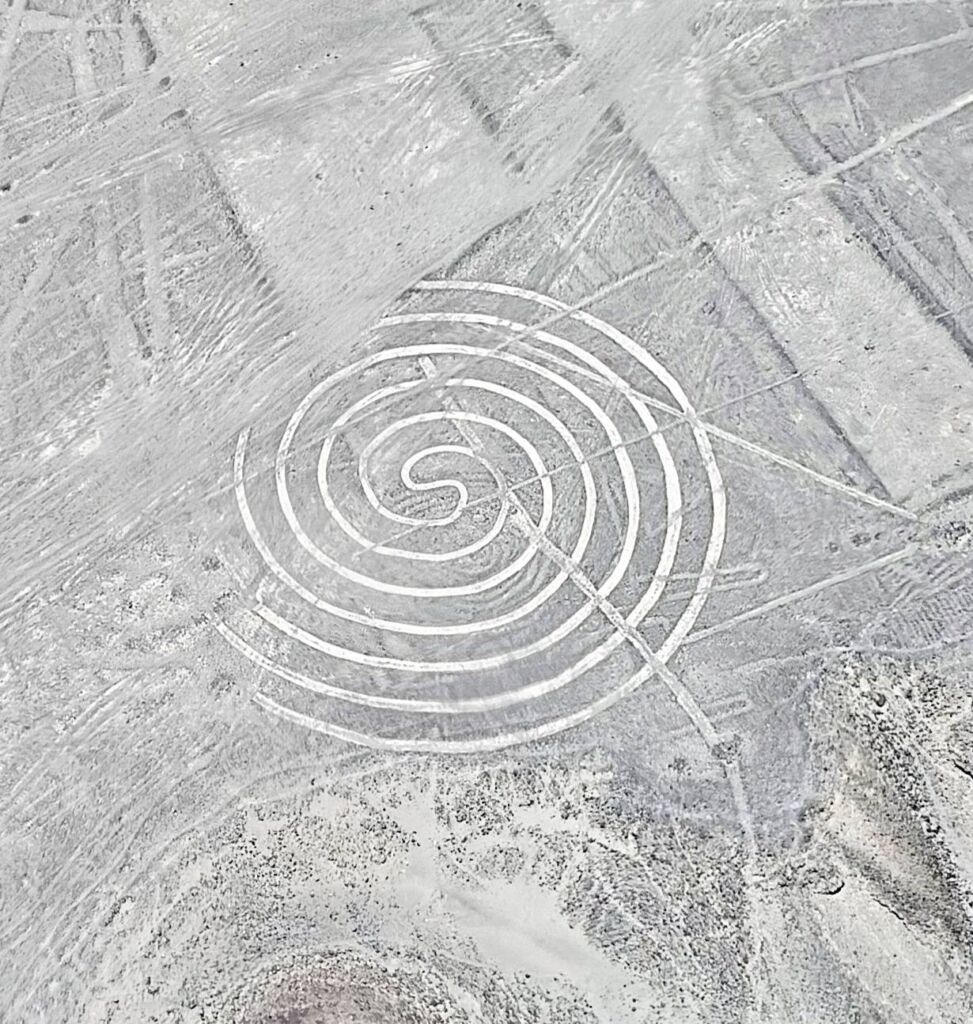
 The Spiral – Nazca Lines
Spirals appear repeatedly in Nazca art. They may symbolize water sources or underground aquifers or celestial cycles… Or perhaps all three.
The Octopus-like figure – Nazca Lines
Some geoglyphs remain difficult to interpret. Is it an octopus? A strange marine creature? Or a mythological symbol? Or maybe a phytomorphic glyph? Given Nazca’s proximity to the Pacific Ocean, marine imagery appears frequently.
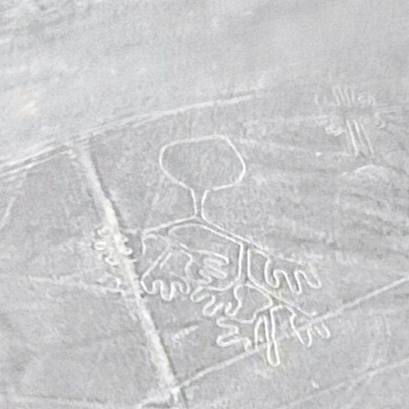
The Nazca Desert from above
Flying over Nazca reveals something else entirely. Not just drawings, but a vast landscape of lines, pathways, and shapes stretching toward the horizon.
So why were the Nazca Lines created?
This is where things get interesting. No single explanation satisfies everyone. Several theories exist.
The Astronomical Calendar Theory
Some researchers believe the lines align with solstices, sunrise points, star movements… Essentially a cosmic agricultural calendar telling farmers when to plant.
The Water Cult Theory
In the Nazca desert, water was life. Some archaeologists believe the lines mark underground water channels, ritual pathways used in ceremonies to invoke rain or walking the lines may have been a pilgrimage to summon water spirits.
The Ritual Pathway Theory
Many lines appear to have been walked, not just drawn. Large groups may have walked these paths in religious ceremonies. Devotion measured in dust and footsteps.
The Alien Theory
Yes, it had to show up. Some argue the lines were landing strips for extraterrestrials. Of course, archaeologists roll their eyes at this. But, ancient humans were perfectly capable of extraordinary things. We just underestimate them.
An Interesting Parallel with Indian Mythology
Standing above Nazca, it’s hard not to think about ancient knowledge systems. Sacred geometry. Celestial alignments. Land as ritual space. In Indian traditions too, sacred geography connects mountains, rivers, stars and temples. Knowledge came through observation and imagination, not satellites. Maybe perspective doesn’t always require flight.
The Nazca Lines today
Today the Nazca Lines are a UNESCO World Heritage Site. Visitors can view them by small aircraft flights, observation towers or nearby hills. But the true experience is still from the sky. Because that’s where the desert finally reveals its secret.
The Moment of Realization
As the plane banks over the final figure, something quietly shifts in your mind. You realise something simple. Ancient humans were not less intelligent than we are. They were simply less noisy. Who built things that lasted. They observed the world carefully. As a result, they created art on a scale that still leaves us baffled.
Back on the Ground
After the flight, the desert returns to silence. The lines disappear again. Invisible, Hidden, Waiting in plain sight.
 Post-flight lunch. Ancient mysteries deserve modern poke bowls.
The Final Thought
Somewhere in the Nazca desert, thousands of years ago, someone stood exactly where you stand now. They looked at the sky. And imagined something vast. And then they began drawing. Line by line. Across the desert. For the gods. Or for themselves. Or perhaps for us. The desert remembers. And once you’ve flown above Nazca… so will you.
This was Part of the Mini Blogs on my travels in Peru… Read the full travelogue here…
And just in case you want to visit Peru, contact Beyonder Travel. Oh, and feel free to check out the other experiences across the world that are put up there…


Leave a Reply