
Pisco – The Spirit of Peru – Beyonder
Pisco, the spirit of Peru is born from grapes, history and a little cheekiness… Of course, most alcohols come with a backstory.
Pisco comes with a full-blown origin myth, a family feud, a colonial adventure, a linguistic joke, and a flavor profile that can knock the blues out of your bones in exactly three sips.
It is smooth, bold, fragrant, unapologetic — much like Peru itself.
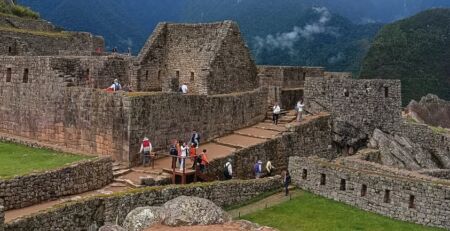
If Machu Picchu is the crown of Peru, Pisco is the mischief in its eyes. Let’s raise a glass.
The Beginning of Pisco – When “Aguardiente” Was Too Much To Say
Picture it: Its the late 1500s in Colonial Peru.
A town called Santa María Magdalena, with a busy port named Pisco.
Grape vineyards stretching across valleys, introduced by Spanish settlers who missed wine more than they missed European winters.
The locals began distilling a strong grape spirit called Aguardiente — literally “fire water.”
Now, Aguardiente is a lovely drink.
But after two glasses, it becomes increasingly difficult to pronounce.
Try saying “Aguardiente” after a couple of shots. Go on. I’ll wait…
Exactly.
And so, quite naturally, the name got shortened to something easier, punchier, friendlier:
Pisco. Named after the port it shipped from. Which was named after an ancient word meaning “bird”.
A spirit named after a port named after birds. You can’t make this up.
The family Feud – Peru vs Chile
Both countries produce it.
And both countries love it.
Both countries claim it.
And like all good family fights:
- both sides have valid points
- both have history
- both insist the other copied
- both have legal documents the thickness of old telephone directories
But the truth is simple:
Peru’s Pisco is made from specific grape varietals, distilled once, and never aged in wood — resulting in a crisp, aromatic, grape-forward spirit.
Chile’s version is distilled differently, aged sometimes, and tastes subtly different.
Both sides have agreed to disagree. The rest of us drink both and stay neutral.
(Preferably with two glasses, one in each hand.)
What Makes Peruvian Pisco special?
Distilled only once – This preserves the grape’s natural aromas.
No aging in wood – No cheating with oak flavoring.
Must come from specific grape varieties – Eight, to be precise — from elegant Quebranta to floral Italia to muscat-like Torontel.
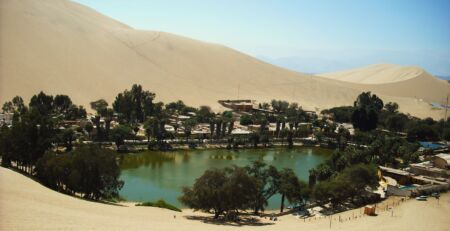
It is terroir-driven – Valleys like Ica, Chincha, Pisco, and Lunahuaná produce distinct flavours.
Must have personality – Lots of it. A Pisco tasting is like a blind date with eight different artists — each with their own mood, vibe, intensity.
The Tasting Experience in Lima – Where My Education Began
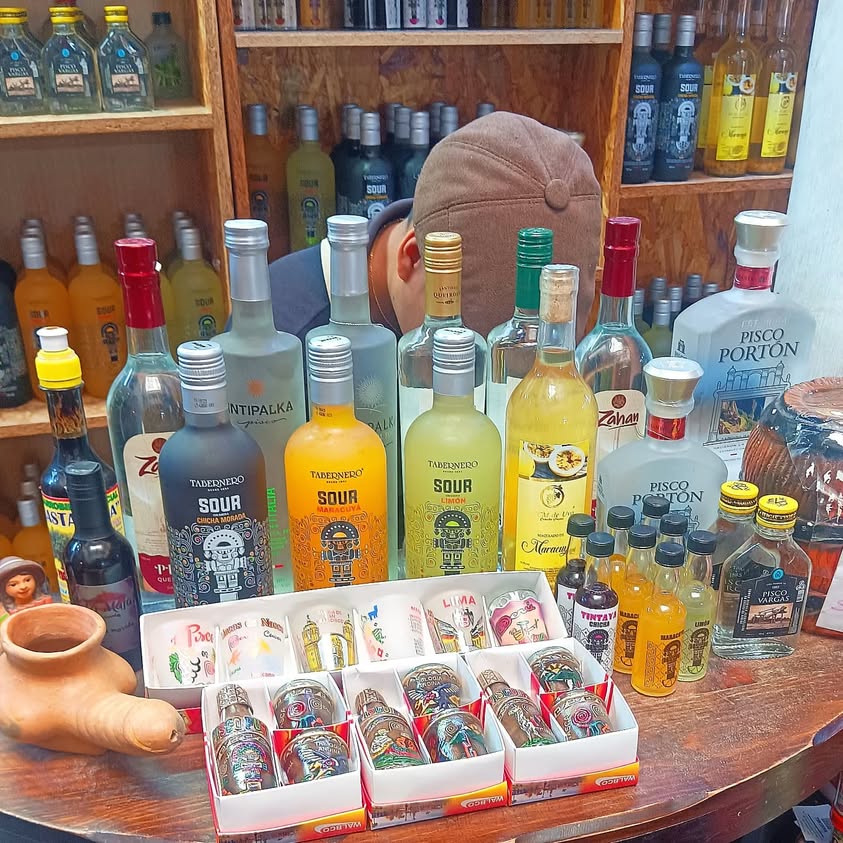
The tasting begins innocently. A few grapes. Some history.
A charming guide explaining the difference between Mosto Verde and Puro.
Then the samples begin.
One sip: Hmm, fruity.
Two sips: Ah, floral.
Three sips: I understand the Incas now.
By the fourth glass, you genuinely believe you can lead a cultural revolution.
And when the guide explains the etymology — that people simply got tired of saying Aguardiente — you laugh harder than the joke deserves. Because it sounds exactly like something human beings would do.
The Types of Pisco – Know What You’re Drinking
Pisco Puro – Made from a single grape. Clean, bold, focused.
Pisco Acholado – A blend of grapes. Complex. The jazz musician of Piscos.
Mosto Verde – Distilled before fermentation finishes. Soft, elegant, slightly sweet — luxurious.
Aromatic Pisco – From floral grapes like Italia or Torontel. Perfume in a glass.
Pisco’s Role in Peruvian Culture
Pisco is not just a drink. It is:
- a national symbol
- a festival theme
- a source of pride
- a cultural identity marker
- a diplomatic dispute
- a bartender’s dream ingredient
Every Peruvian celebration begins with it.
And every heartbreak ends with it.
Every story gets better after it.
It is woven into everyday life.
The Cocktails – The Fun part
PISCO SOUR (THE KING) – Pisco + lime + sugar + bitters + egg white Shaken vigorously until frothy. Yes, it’s a tourist drink. And yes, Peruvians judge you… Drink it anyway.
MARACUYÁ (PASSION FRUIT) SOUR – Tropical, tangy, irresistible. Feels like a holiday romance in a glass.
CHILCANO – Pisco + ginger ale + lime. Peru’s weekend drink.
PISCO PUNCH – San Francisco invented it. Peru perfected it.
PISCO AL NATURAL – Straight. No ice. No dilution. Pure character.
What To Buy and What To Skip
Must buy
- Pisco Puro (Quebranta for classic flavour)
- Mosto Verde (luxury treat)
- Acholado (best for cocktails)
Avoid
- Cheap airport stuff
- Flavoured ones (not traditional)
- Overly sweetened mixers
Pairing Pisco with Peruvian Food
Surprisingly versatile.
- Ceviche + Pisco Sour = perfect acidity balance
- Anticuchos + Acholado = smoky + aromatic
- Aji de Gallina + Italia grape Pisco = creamy + floral
- Amazonian fish + Mosto Verde = elegant + clean
Want some more reading on Peruvian Food? Click here
People Who Should Not Drink it
- Anyone with morning plans
- Anyone who thinks “I can handle one more”
- Anyone who says “Egg white? I’m not sure…”
- Anyone who thinks they are immune to hangovers
Pisco will set you right. And then set you straight.
The Final Swirl
Pisco is history, rebellion, innovation, identity, mischief, pride and poetry… It is Peru in a bottle – the spirit that carries both the warmth of the valley sun and the cool bite of the coastal wind.
And whether you sip it while watching a Lima sunset or toast with it after a Machu Picchu climb, Pisco has only one job – To remind you that life is meant to be savored. And occasionally shaken.
Don’t trip on the usual. Drink it.
This was Part of the Mini Blogs on my travels in Peru… Read the full travelogue here…
And just in case you want to visit Peru, contact Beyonder Travel. Oh, and feel free to check out the other experiences across the world that are put up there…







Leave a Reply