
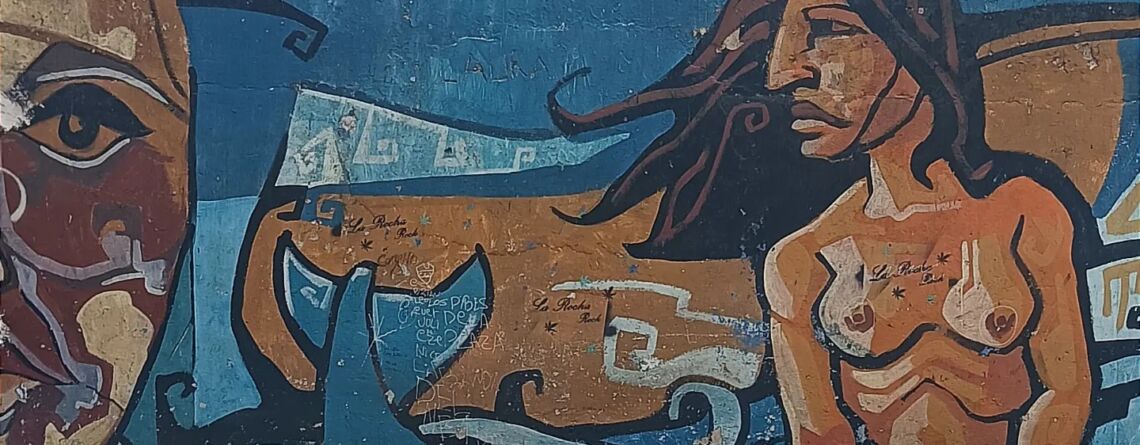
Buenos Aires – The Beauty and the Chaos – Beyonder
Buenos Aires: Tango, Tagore and the Beautiful Chaos of Argentina’s Capital
There are cities that introduce themselves politely. Buenos Aires does not. It grabs you by the collar, pours you a glass of wine, puts a bandoneón in your ear, and whispers something dramatic about love, politics, poetry, and heartbreak.
This is a city that feels like Europe, behaves like Latin America, and thinks like an artist. And somewhere in its layered history lies a quiet, almost improbable connection to India. But more on that later. First impressions first.
Buenos Aires – A City Built by the Sea… Without a Sea
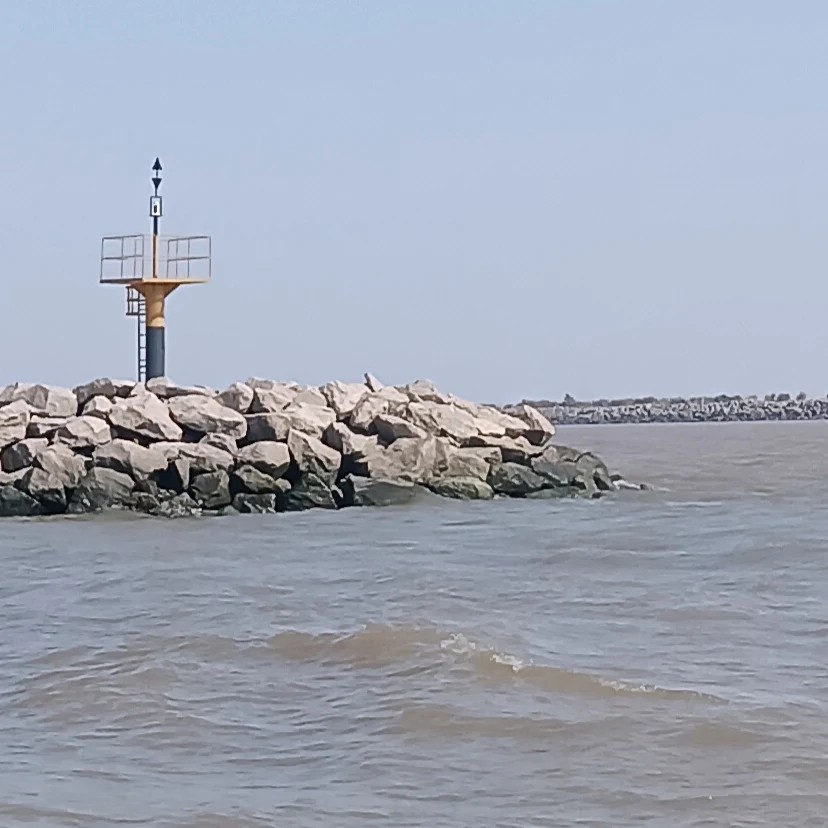
Buenos Aires sits on the edge of the Río de la Plata, one of the widest river estuaries in the world. So wide, in fact, that locals jokingly call it el río que parece mar, meaning, the river that looks like a sea.
The city itself was founded in 1536 by Spanish explorers, abandoned after attacks from indigenous tribes, and then re-founded in 1580. But Buenos Aires didn’t become the grand city we see today until much later.
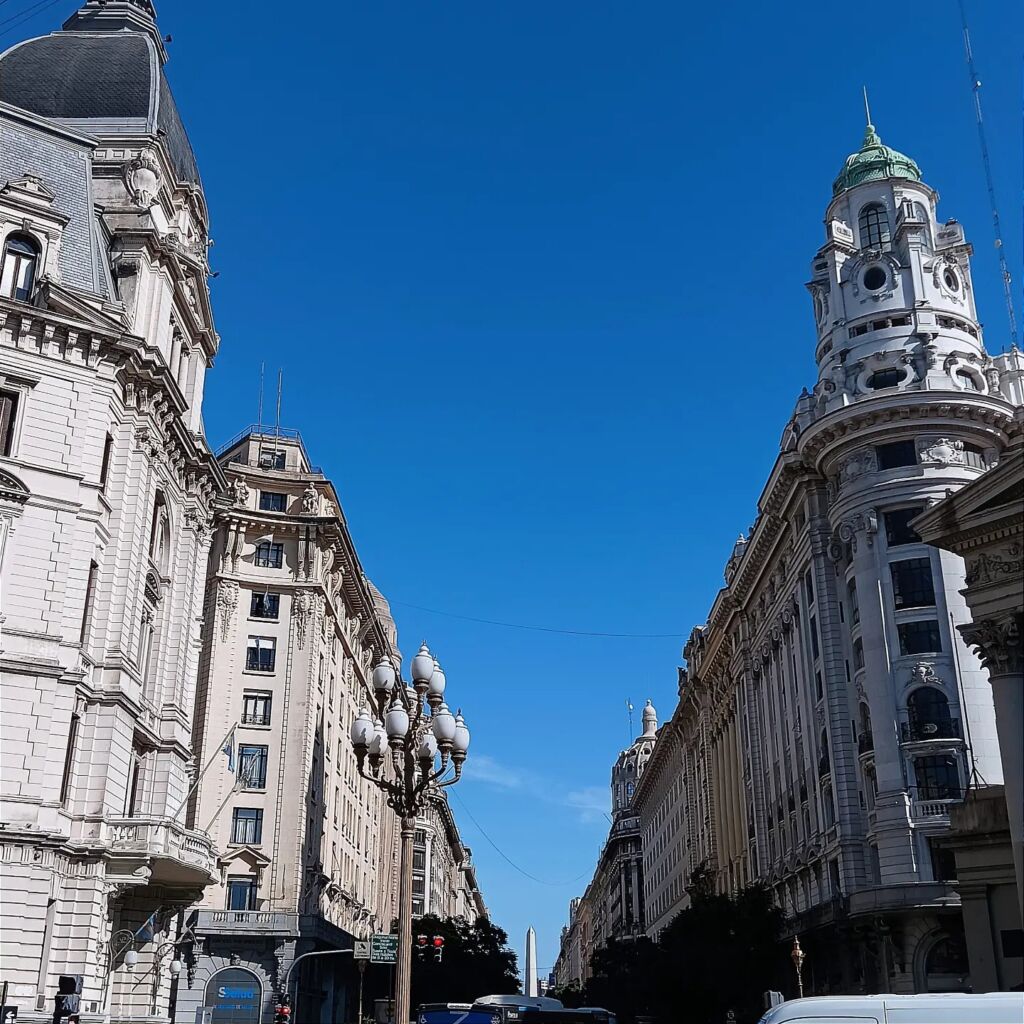
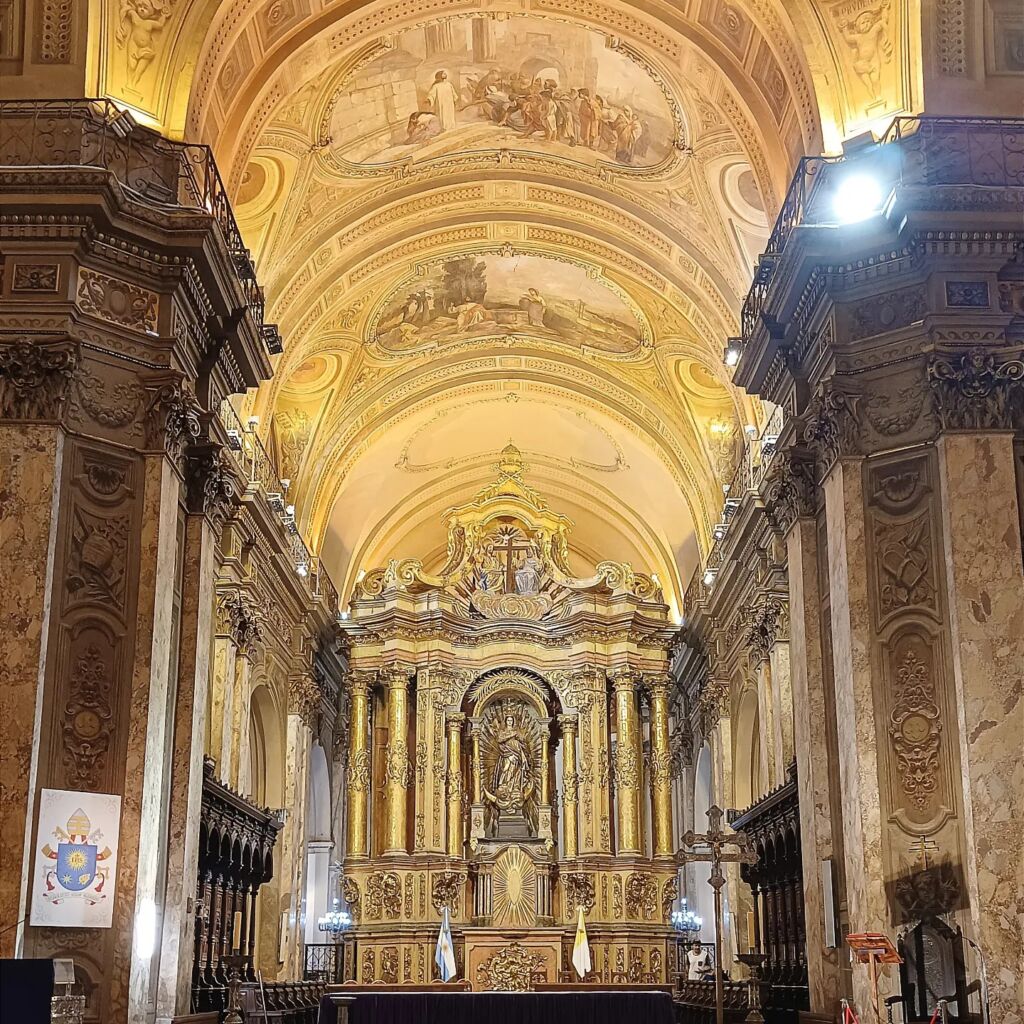
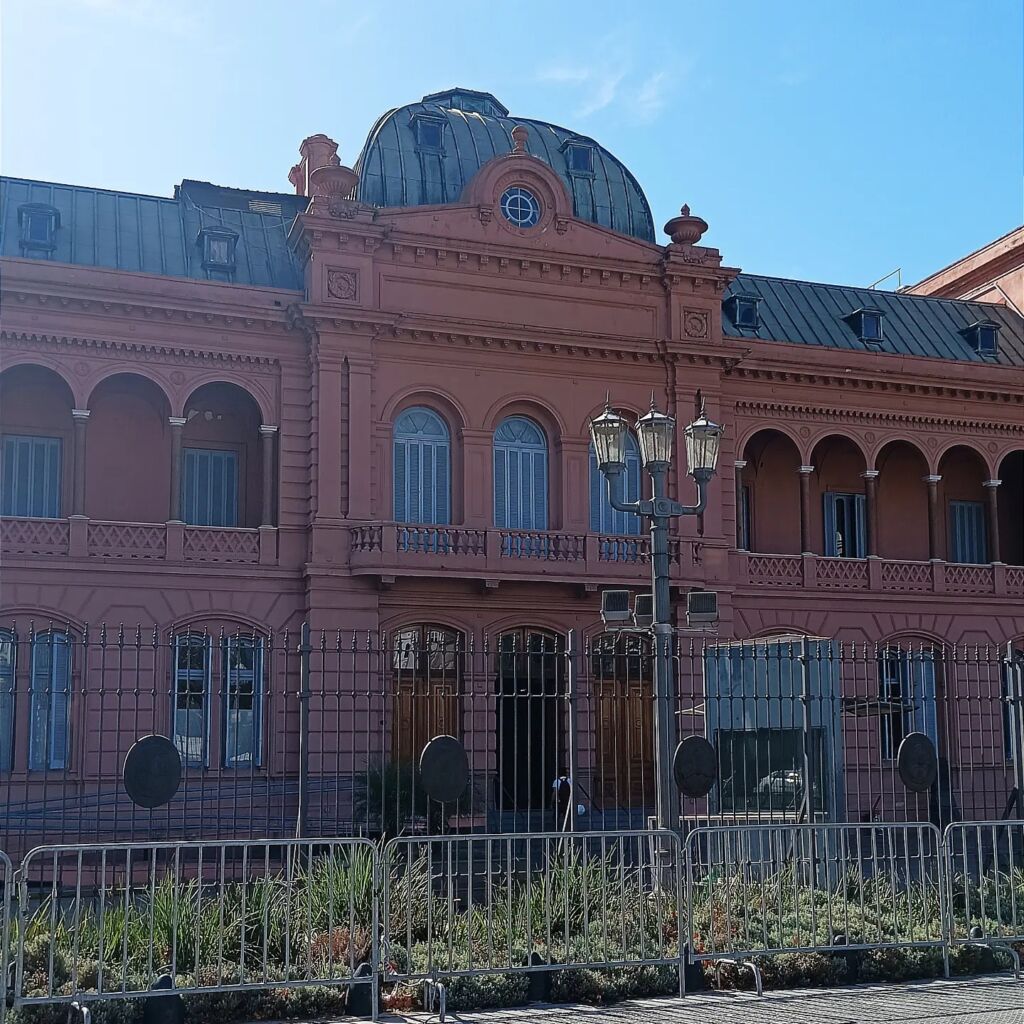
Between 1880 and 1930, Argentina became one of the richest countries in the world. Millions of immigrants arrived from Italy, Spain, Germany, France, and Eastern Europe. They brought architecture, cuisine, music, politics, and nostalgia. The result was a city that looked like Paris, sounded like Naples, and argued like Madrid.
Florida Street: The Pulse of the City
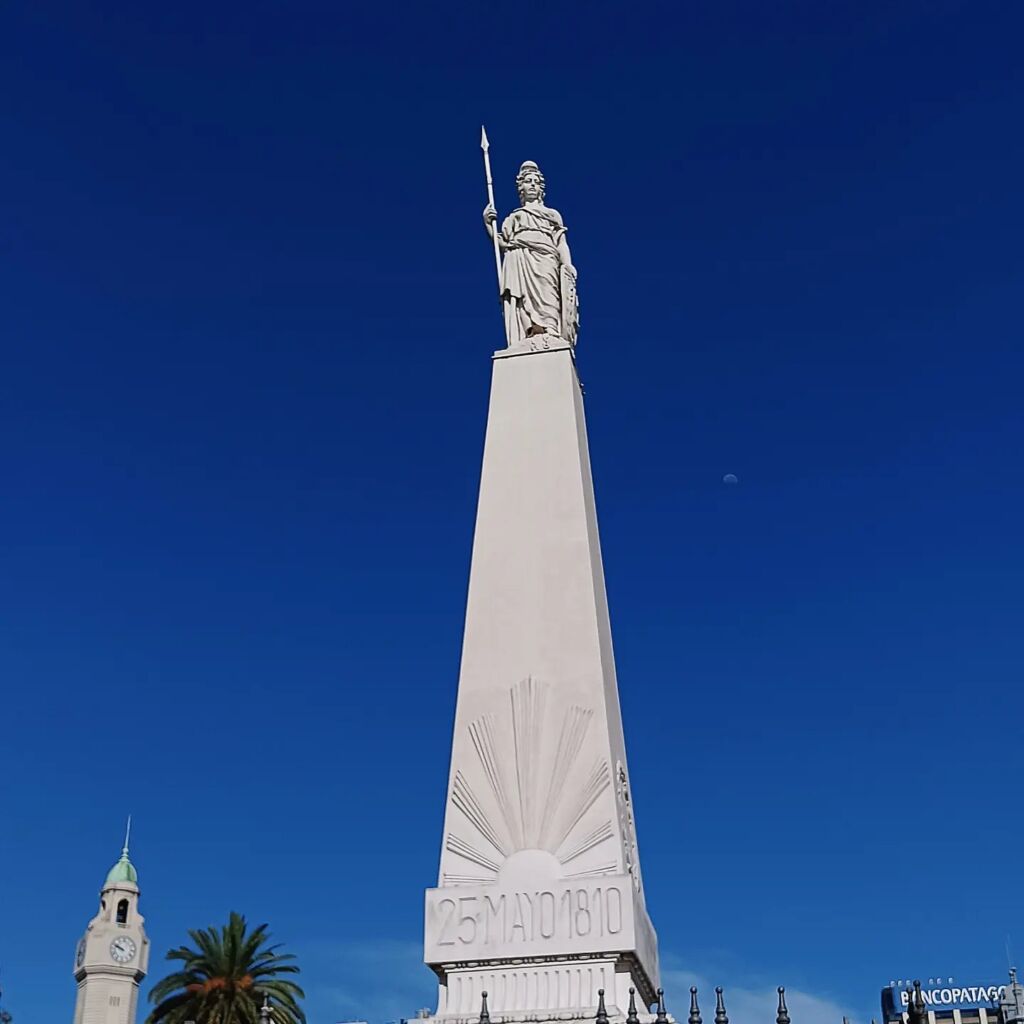
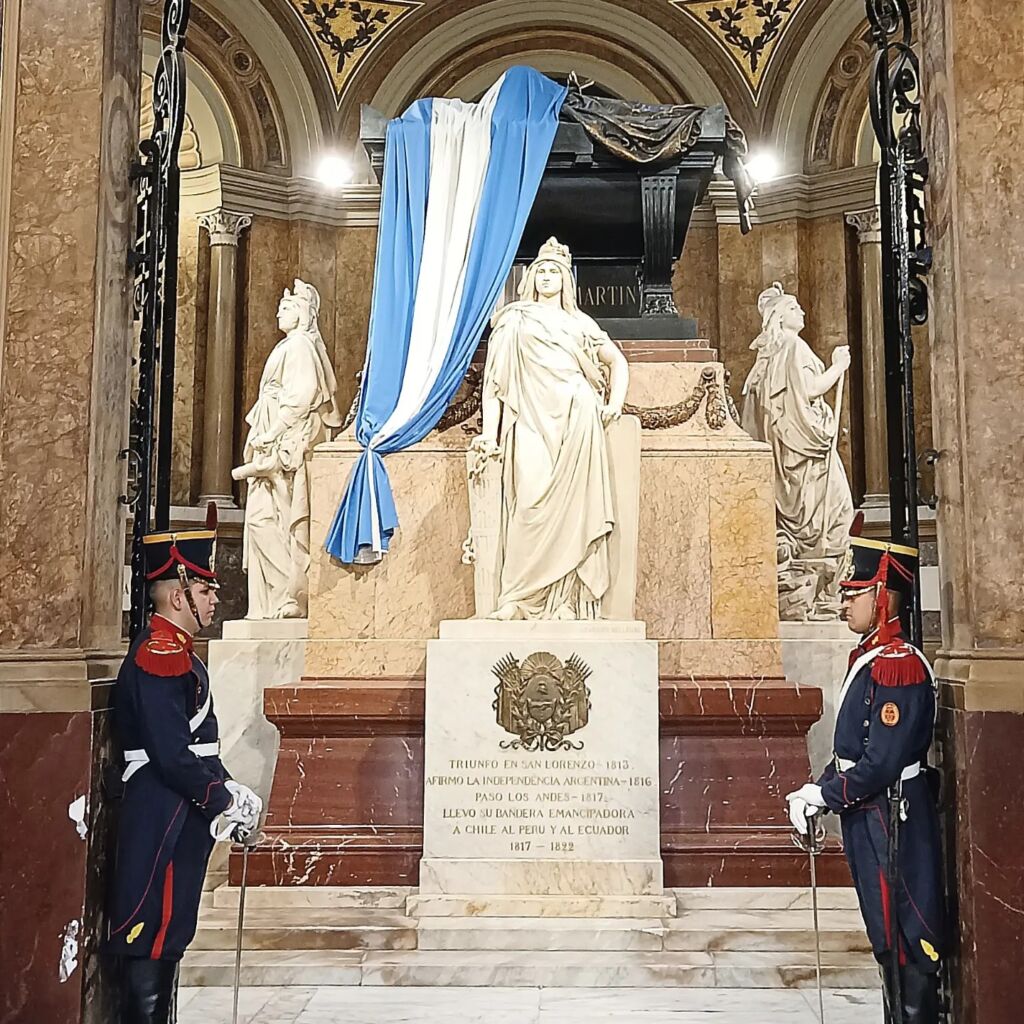
 One of the best places to feel Buenos Aires is Florida Street. A pedestrian boulevard cutting through the heart of the city. On any given afternoon you’ll see street musicians, tango dancers, tourists wandering aimlessly, locals rushing to work and currency traders whispering about exchange rates… And somewhere in between all that noise you start realizing something. Buenos Aires lives in the street. It’s not a city you observe from afar. It’s one you walk.
Recoleta in Buenos Aires: Marble, Memory and the Legend of Evita
If Buenos Aires has an aristocratic face, it lives in Recoleta. Wide boulevards shaded by plane trees. Elegant Parisian-style buildings. Bookshops, cafés and museums tucked between embassies and art galleries. Recoleta was once farmland owned by monks in the 18th century. Over time it became the preferred neighborhood of Argentina’s elite. When yellow fever swept through the poorer southern parts of Buenos Aires in the late 1800s, the wealthy families moved north into this cleaner, greener district.
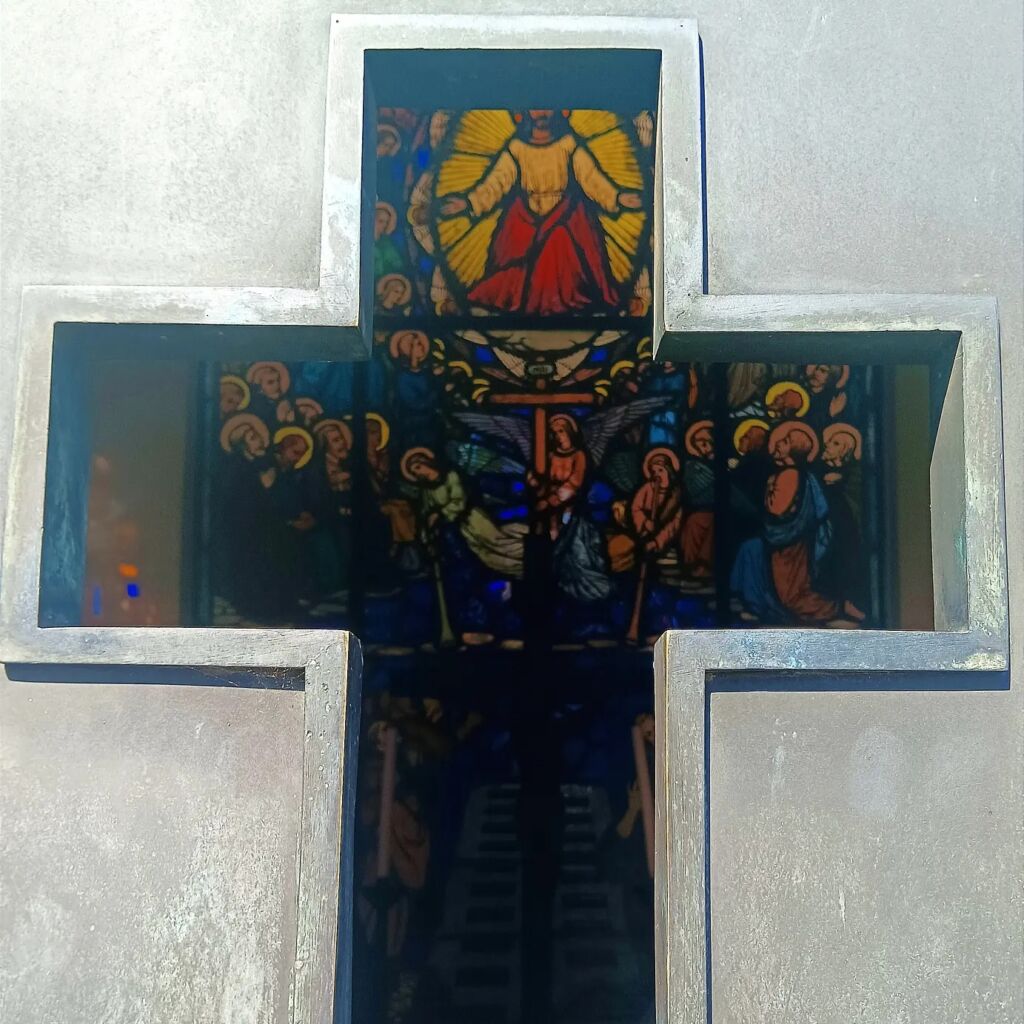
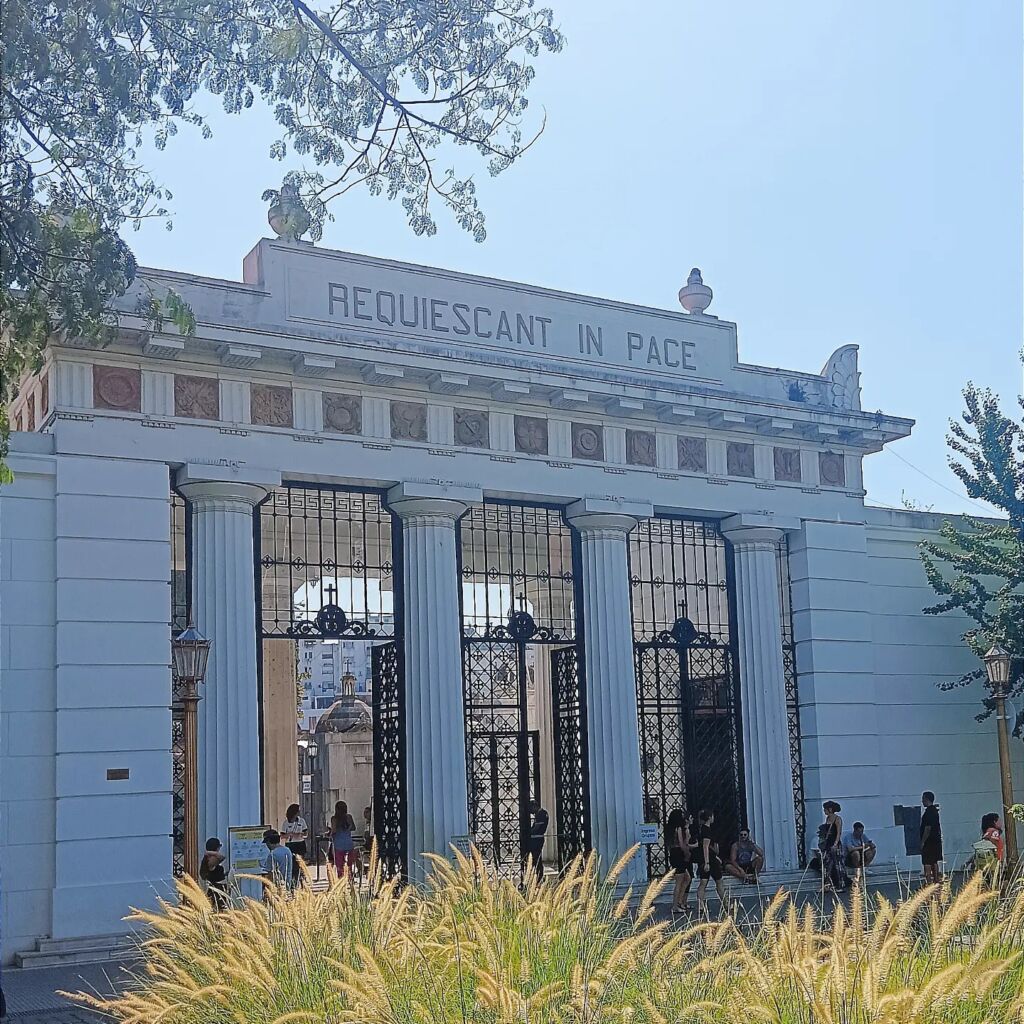
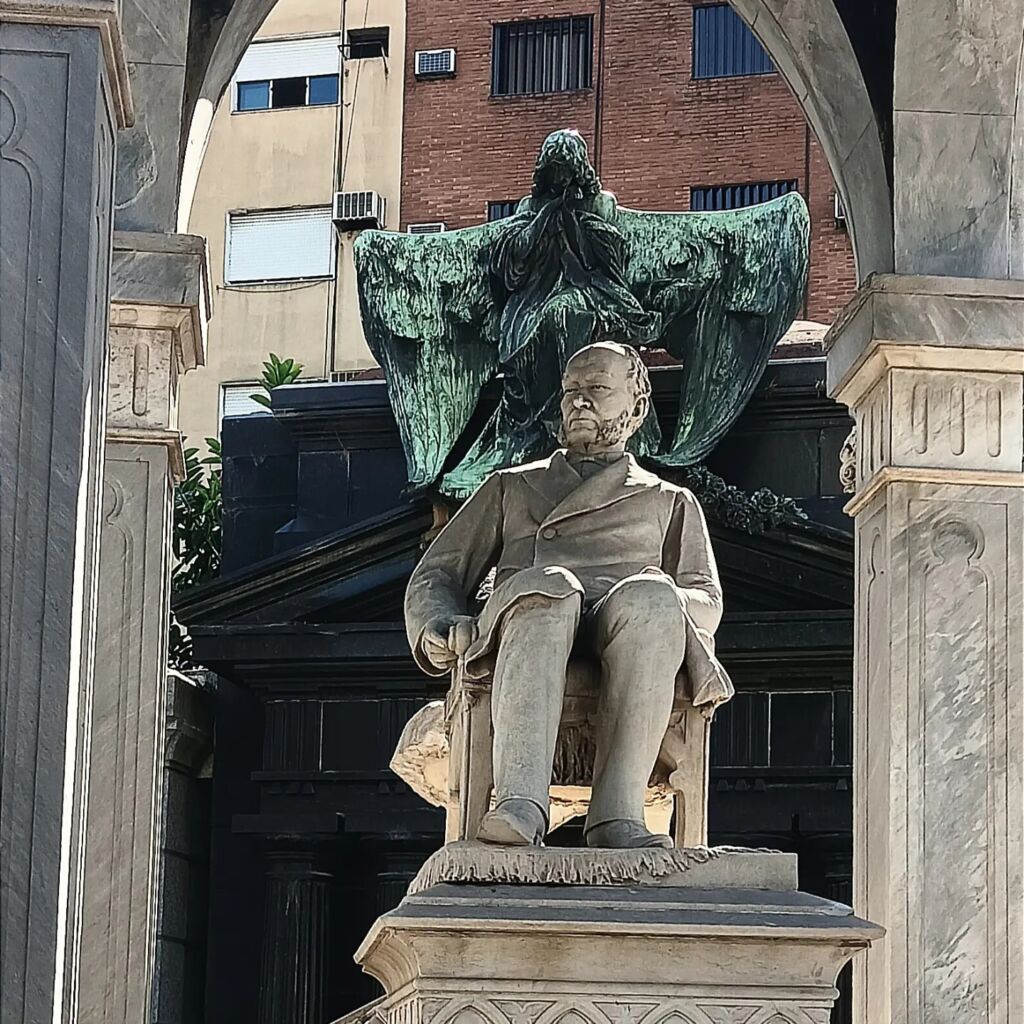
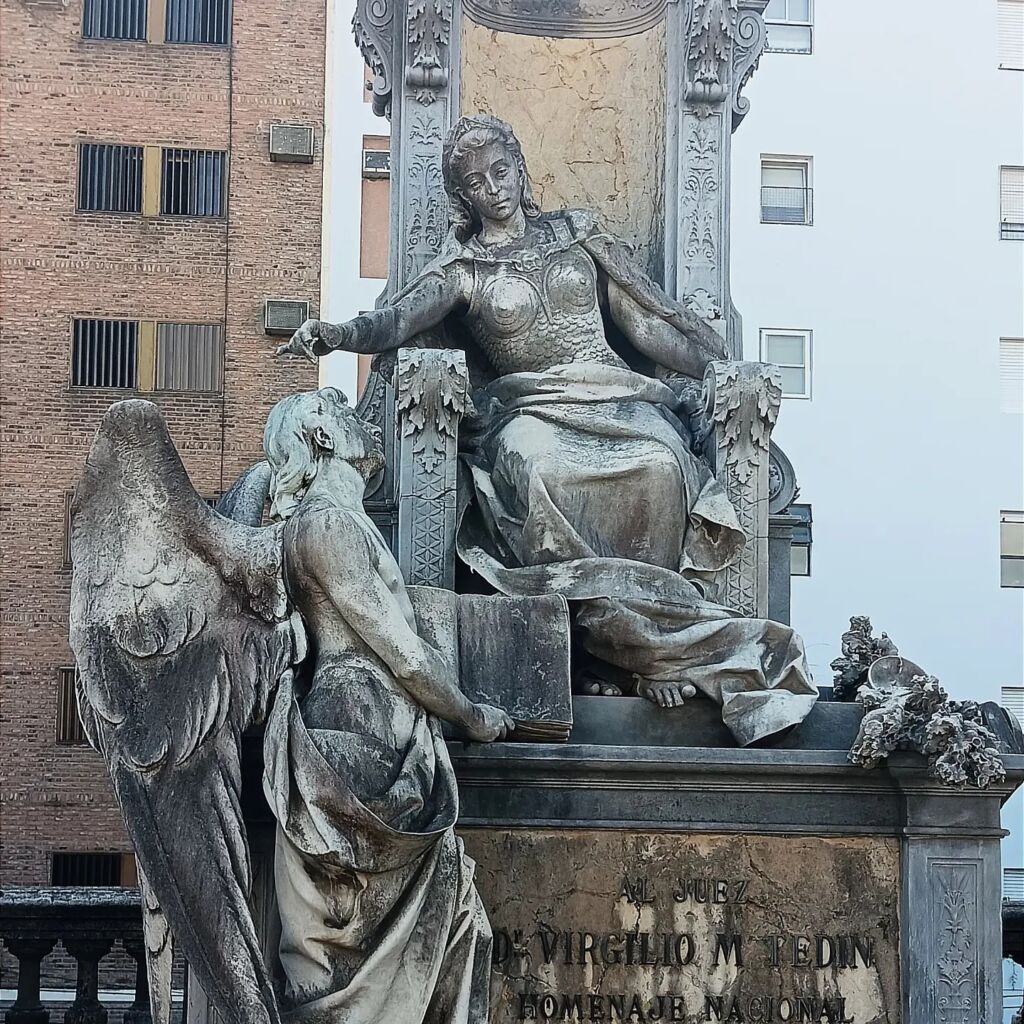
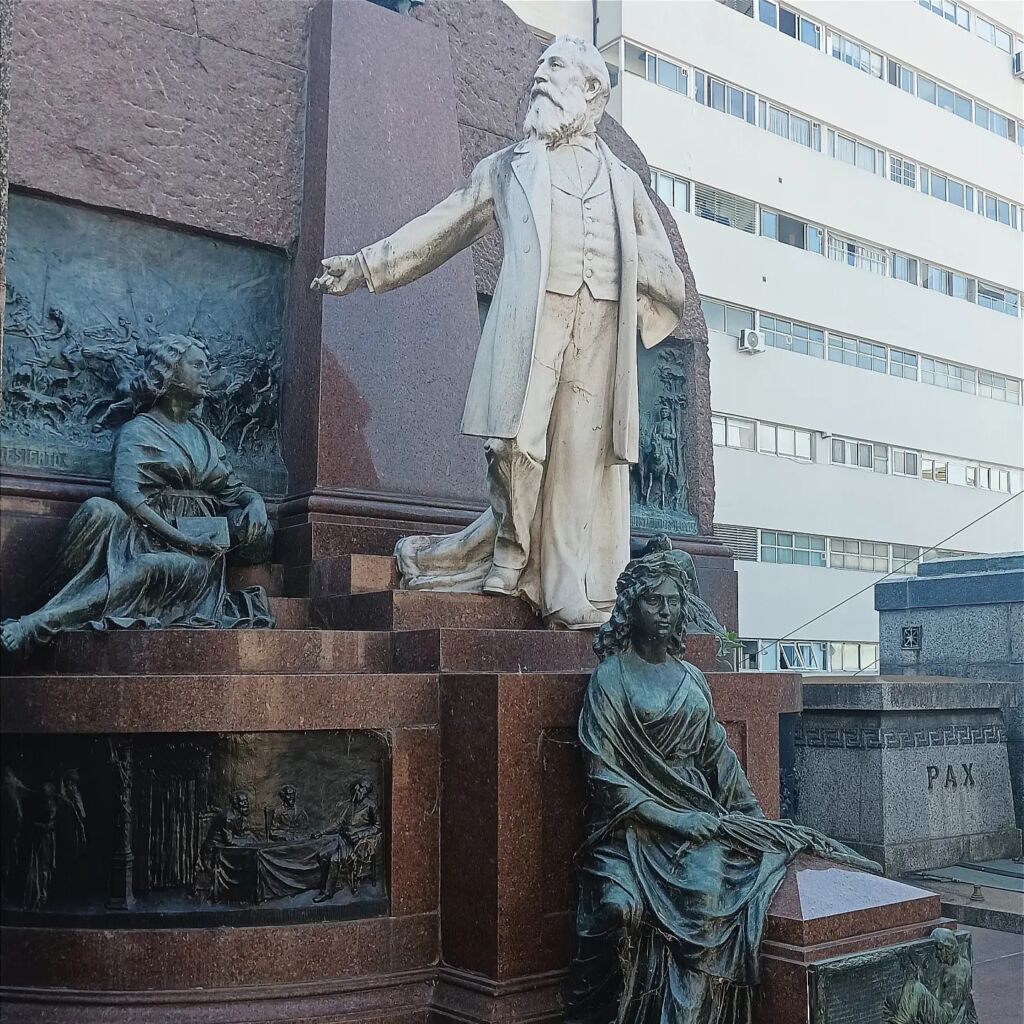
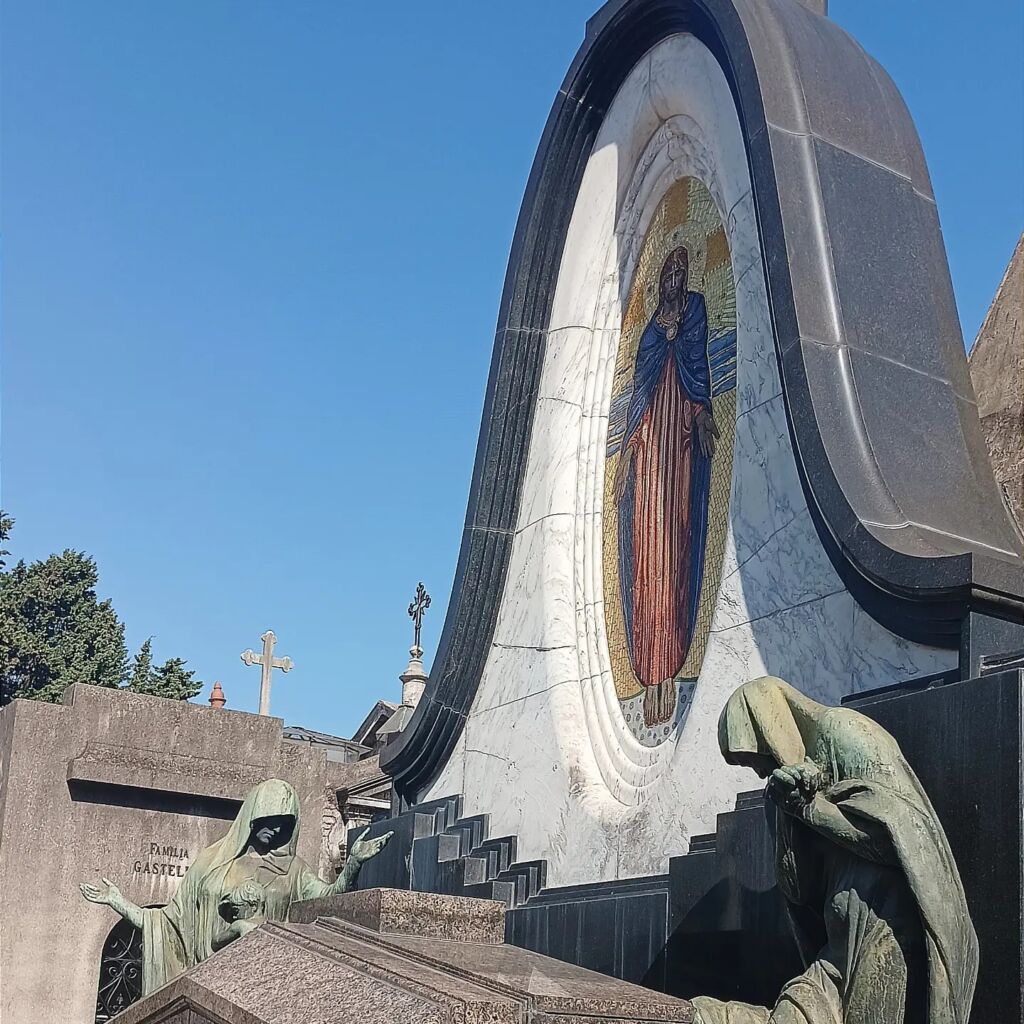
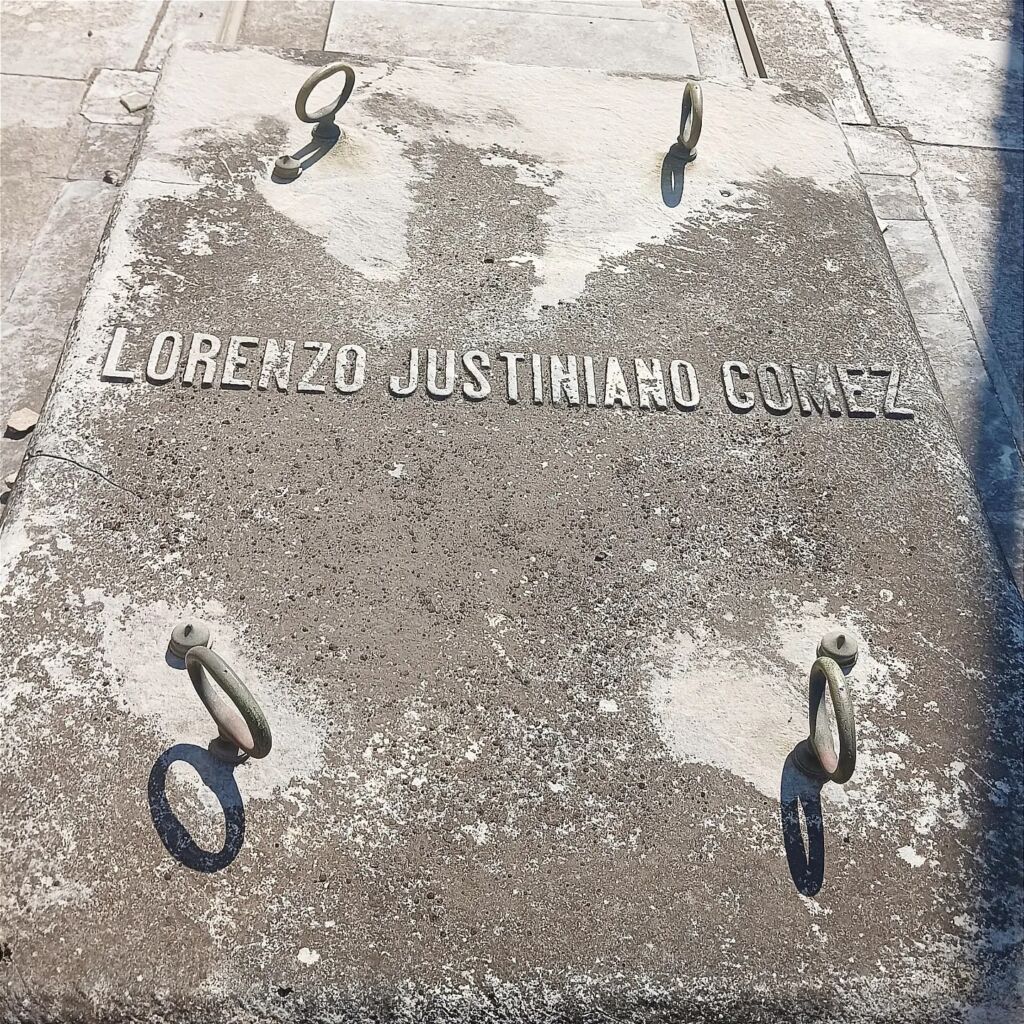
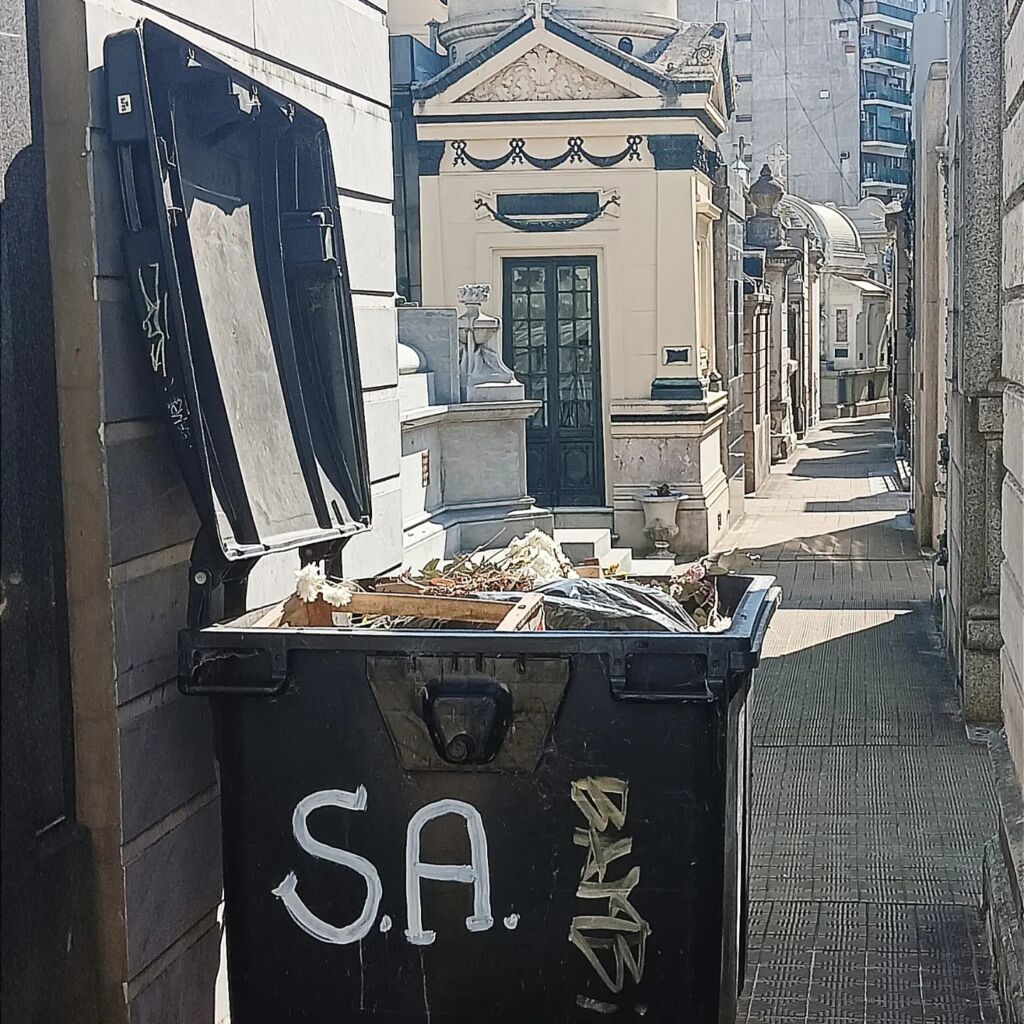
But the true centerpiece of Recoleta is not its mansions. It is the extraordinary Recoleta Cemetery. Calling it a cemetery almost feels inaccurate… It is more like a miniature city of marble. Narrow stone lanes. Elaborate mausoleums. Angels carved in white marble. Entire family crypts resembling Greek temples. Some tombs have stained glass windows. Others have bronze doors that look like entrances to secret chambers. Walking through Recoleta Cemetery feels like wandering through a museum of Argentine history. Generals and Presidents and Poets and Industrialists… All resting within a few hundred meters of each other. And among them lies perhaps the most famous Argentine of them all… Eva Perón.
Evita: The Woman Who Became a Myth
Eva Duarte de Perón — known simply as Evita — rose from humble beginnings to become one of the most powerful women in Argentine history. Born in poverty, she became an actress, then married Juan Perón, the charismatic leader who reshaped Argentine politics in the mid-20th century. Evita became the voice of the working class. She championed labor rights and pushed for women’s suffrage in Argentina. She built hospitals, schools and charitable foundations… To Argentina’s poor she was almost a saint. To her critics she was dangerously populist.
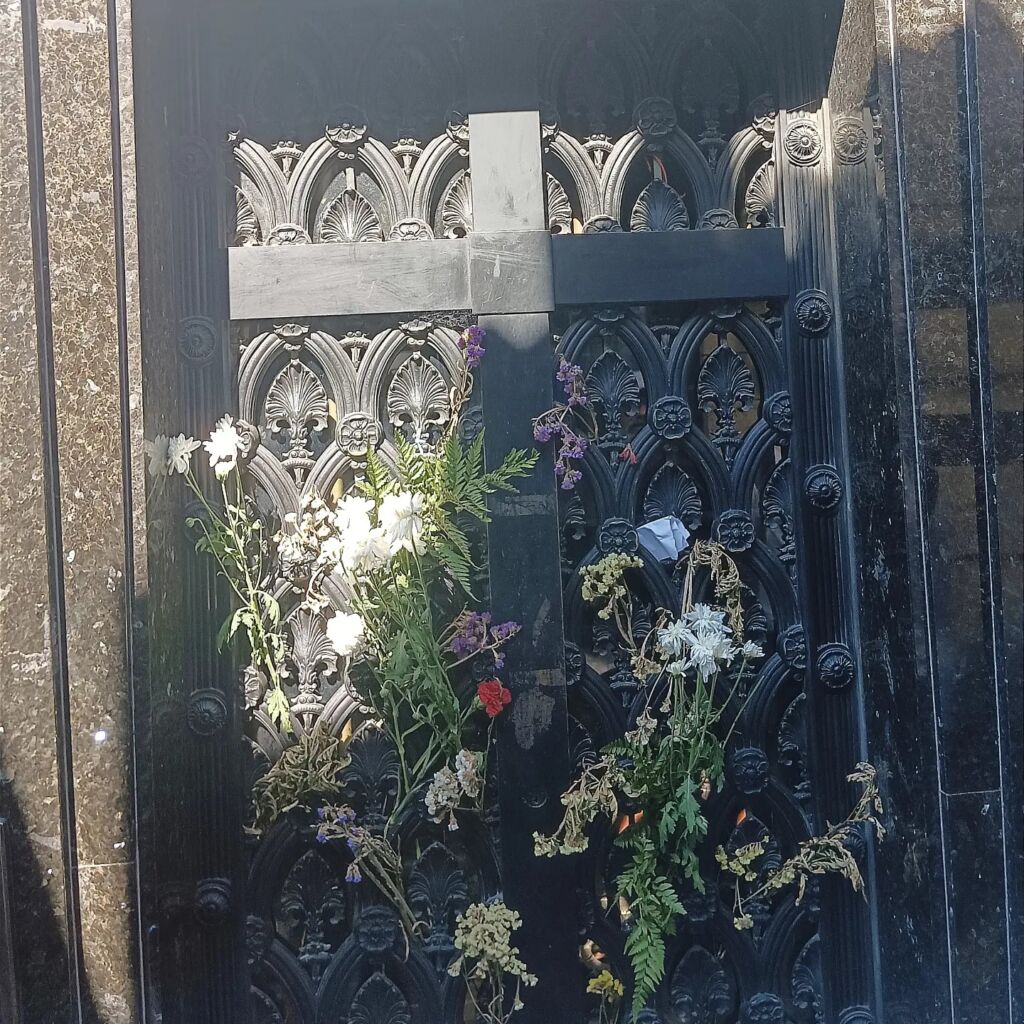
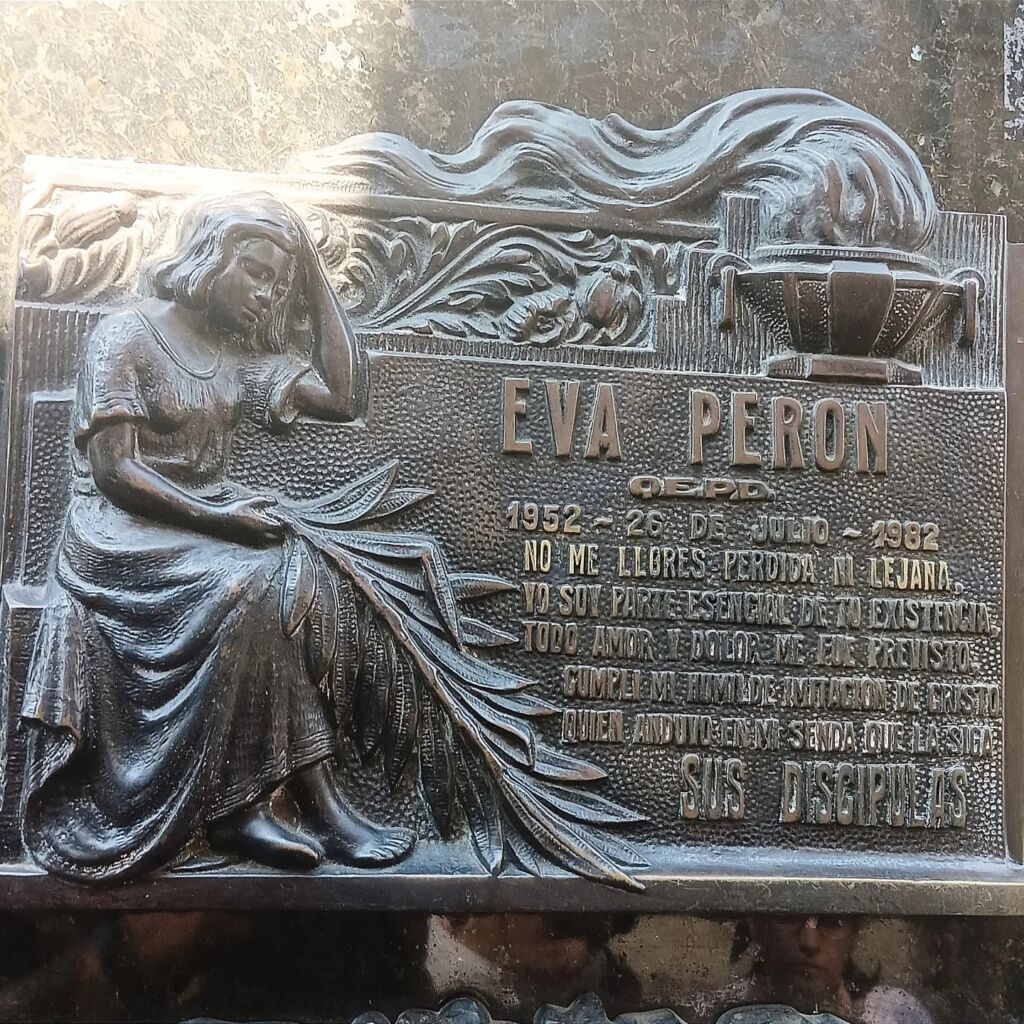
When she died in 1952 at just 33 years old, the country plunged into mourning. Her body was embalmed and displayed publicly for weeks as millions came to pay their respects. But the story did not end there. After Juan Perón was overthrown in a military coup, Evita’s body was secretly removed and hidden for years in Europe before eventually being returned to Argentina. Today she rests in the Duarte family tomb at Recoleta Cemetery.
It is a surprisingly modest grave compared to the surrounding mausoleums. Yet it is the most visited. Fresh flowers appear there every day. Even decades after her death, Evita remains one of Argentina’s most powerful symbols… Remember Madonna as Evita?
The Unexpected Bengali Connection – Tagore in Buenos Aires: A Poetic Encounter
 Now for one of the most unexpected chapters in the city’s cultural history. In 1924, Rabindranath Tagore arrived in Argentina during a global lecture tour. He was already a Nobel laureate and one of the most celebrated writers in the world. Among his admirers was Argentine intellectual Victoria Ocampo. Ocampo invited Tagore to stay at her villa in San Isidro, a leafy suburb north of Buenos Aires overlooking the Río de la Plata. Tagore spent nearly two months there recovering from illness and enjoying the quiet landscape.
The relationship between Tagore and Ocampo was deeply intellectual, though often romanticized by historians. They shared long conversations on literature, philosophy and art. During this stay Tagore wrote several poems that later appeared in the Bengali collection Shesh Basanta (The Last Spring).
These poems carry echoes of Argentina’s landscapes and of Tagore’s contemplative mood during his time there. The quiet riverbanks of the Río de la Plata. The gardens of San Isidro. The conversations with Ocampo.
Standing in Buenos Aires and remembering that Tagore once wrote poetry here creates a strange sense of cultural continuity… From Bengal to the banks of the Río de la Plata, Poetry travels far.
La Boca: The Colorful Heart of the Port
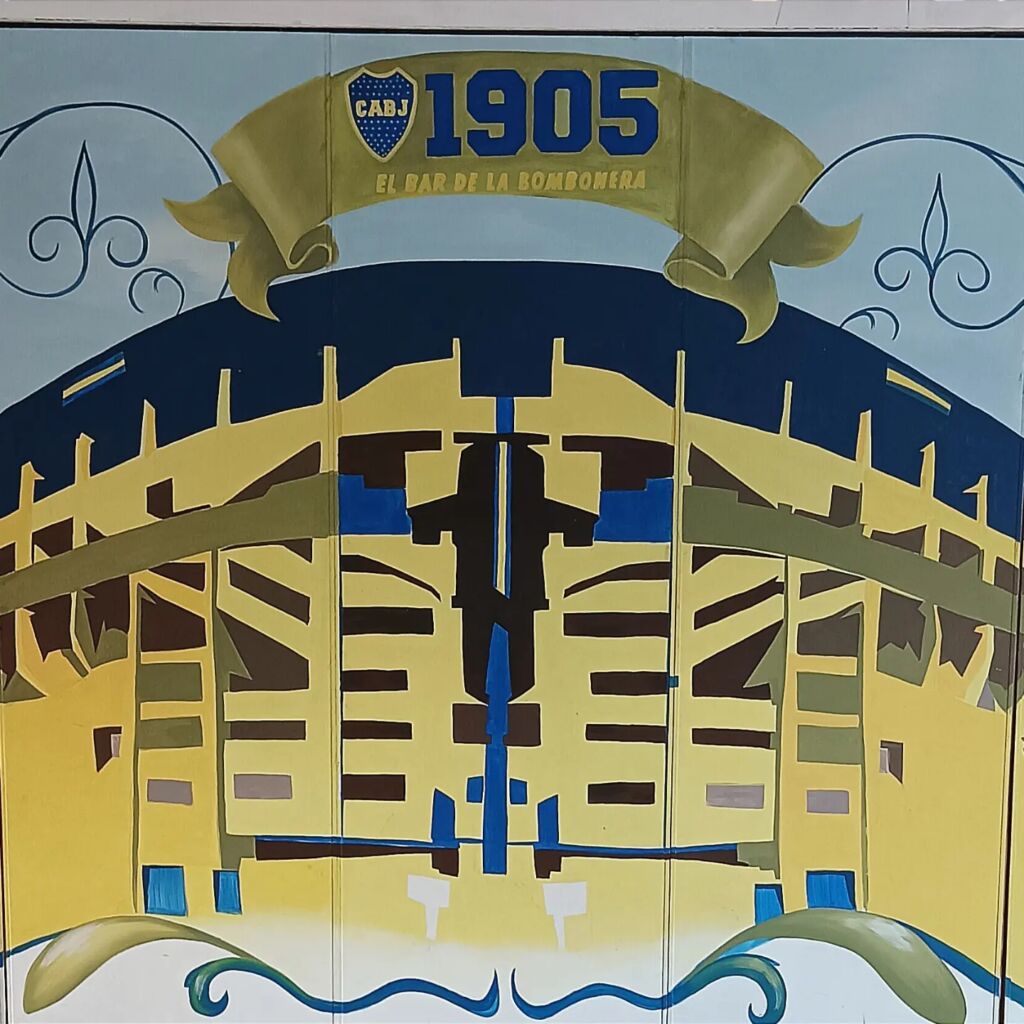
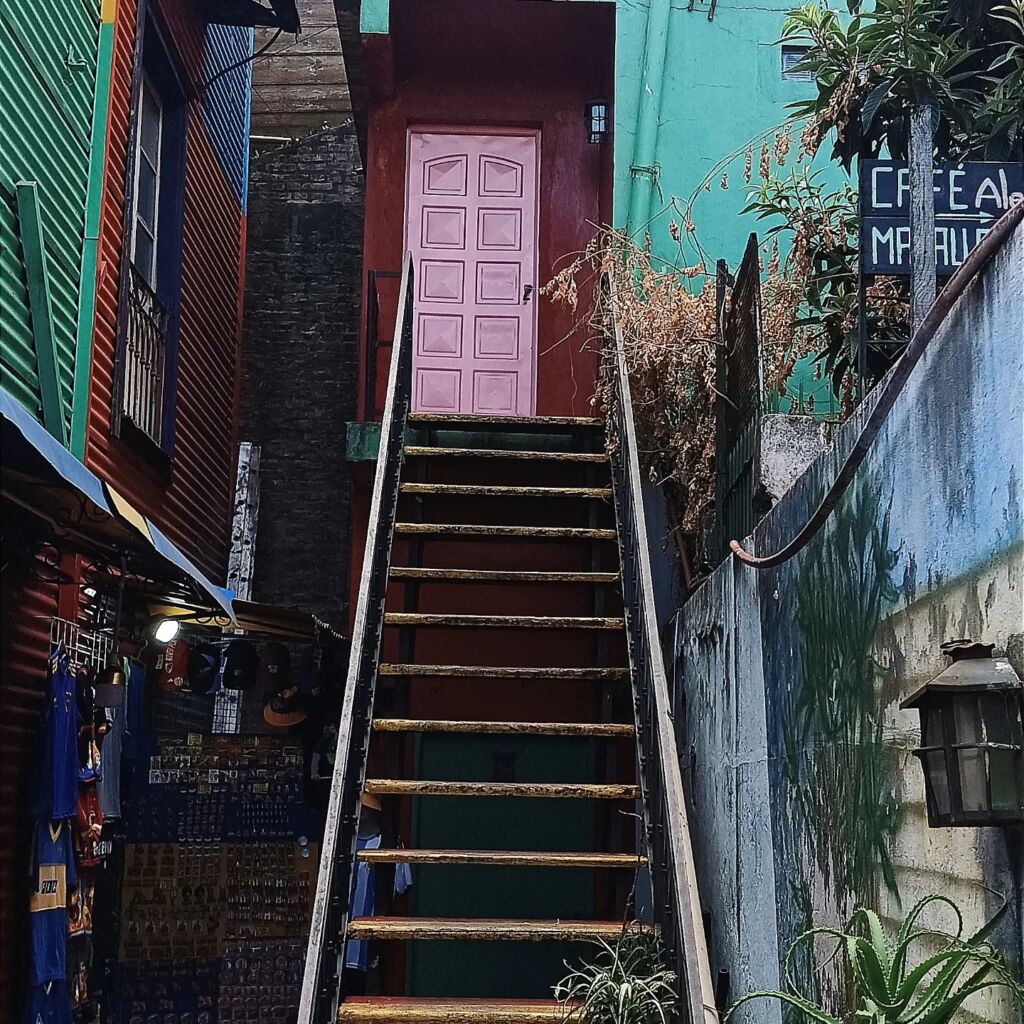
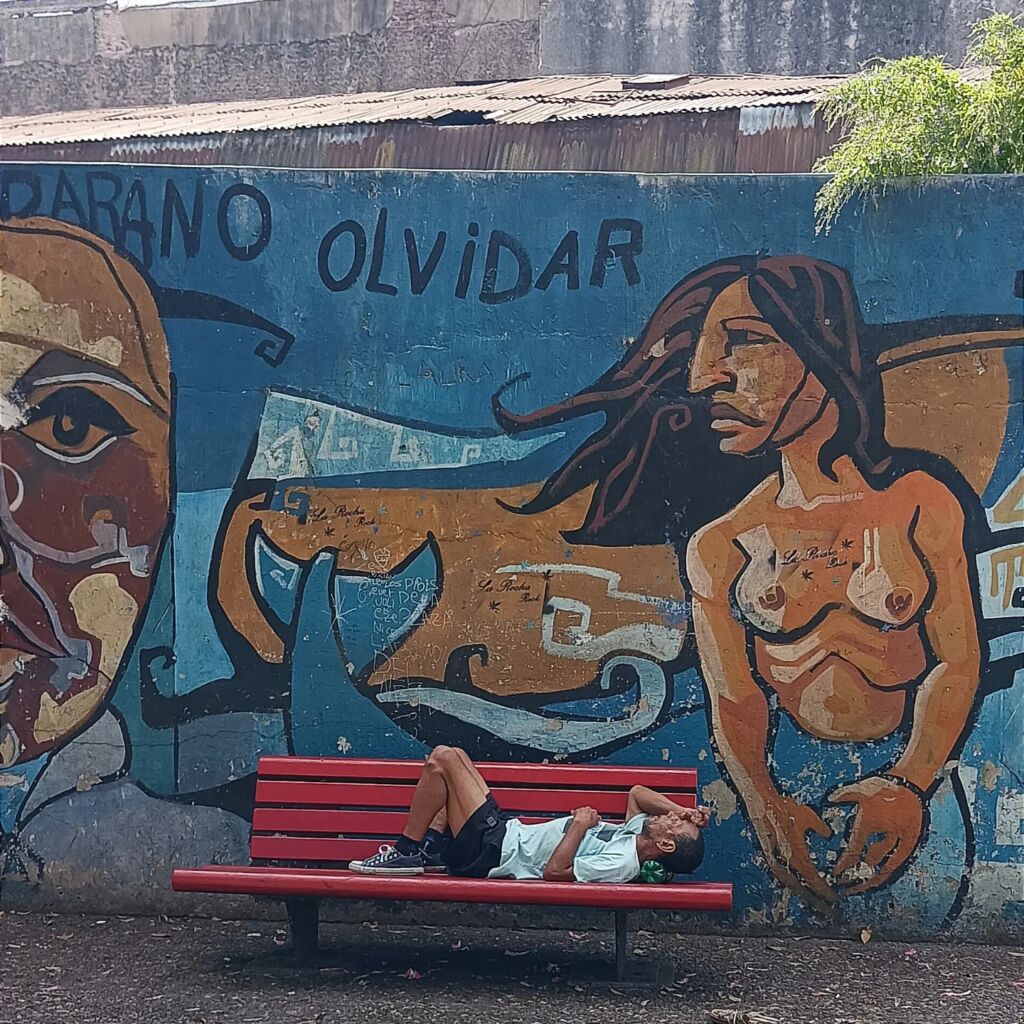
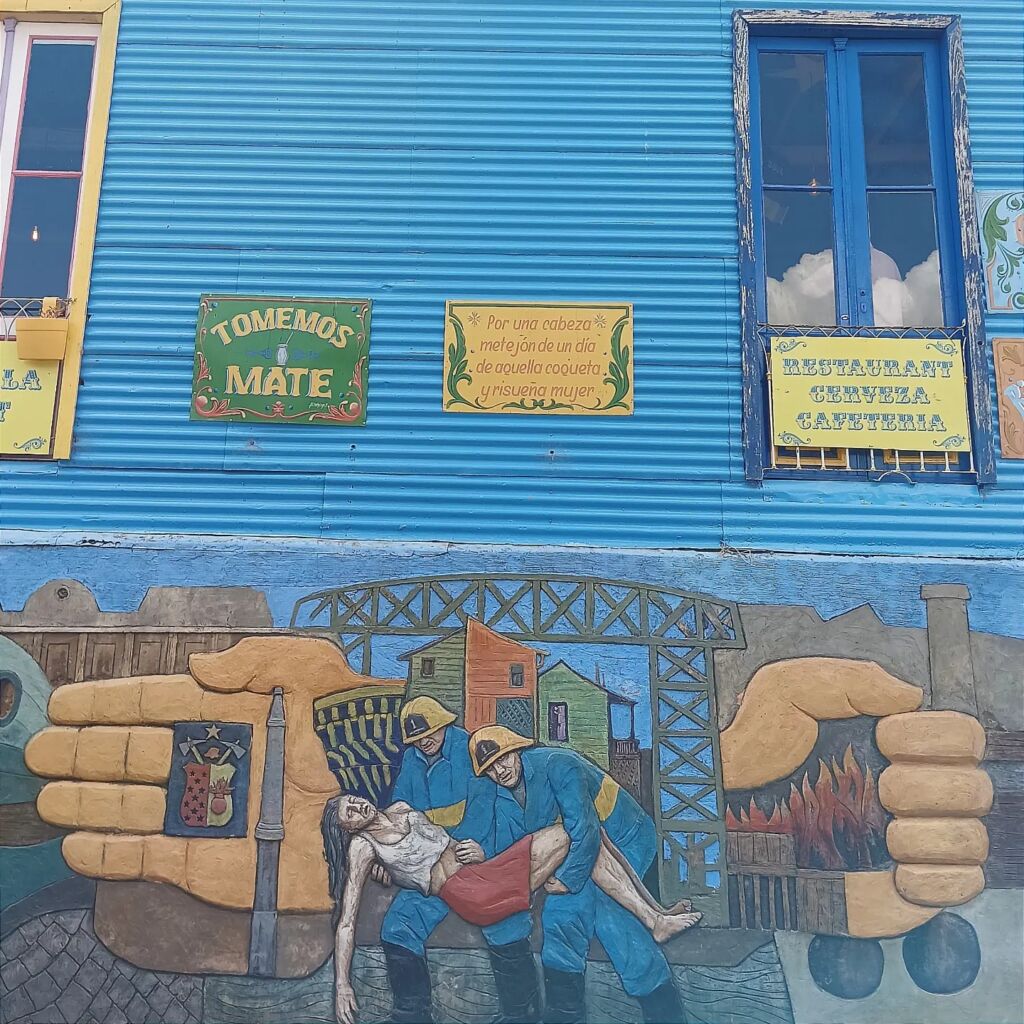
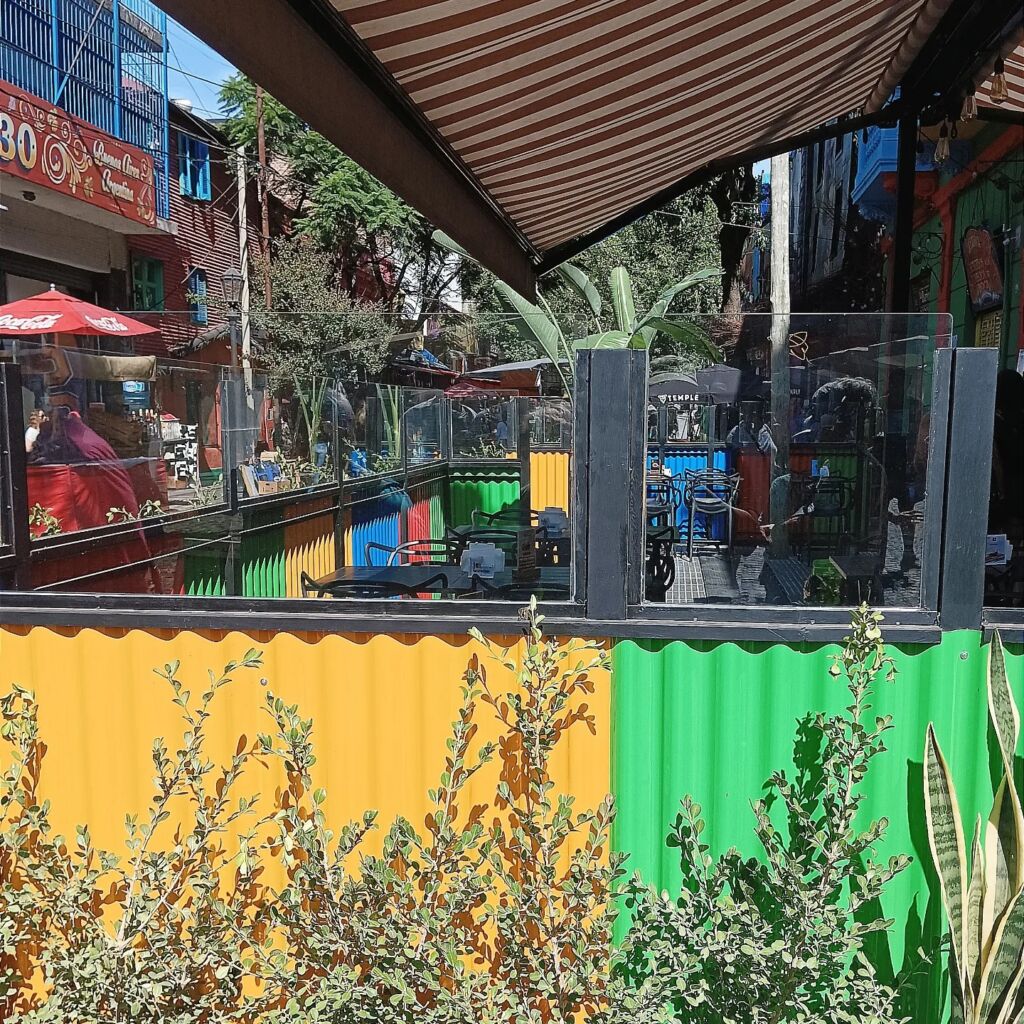
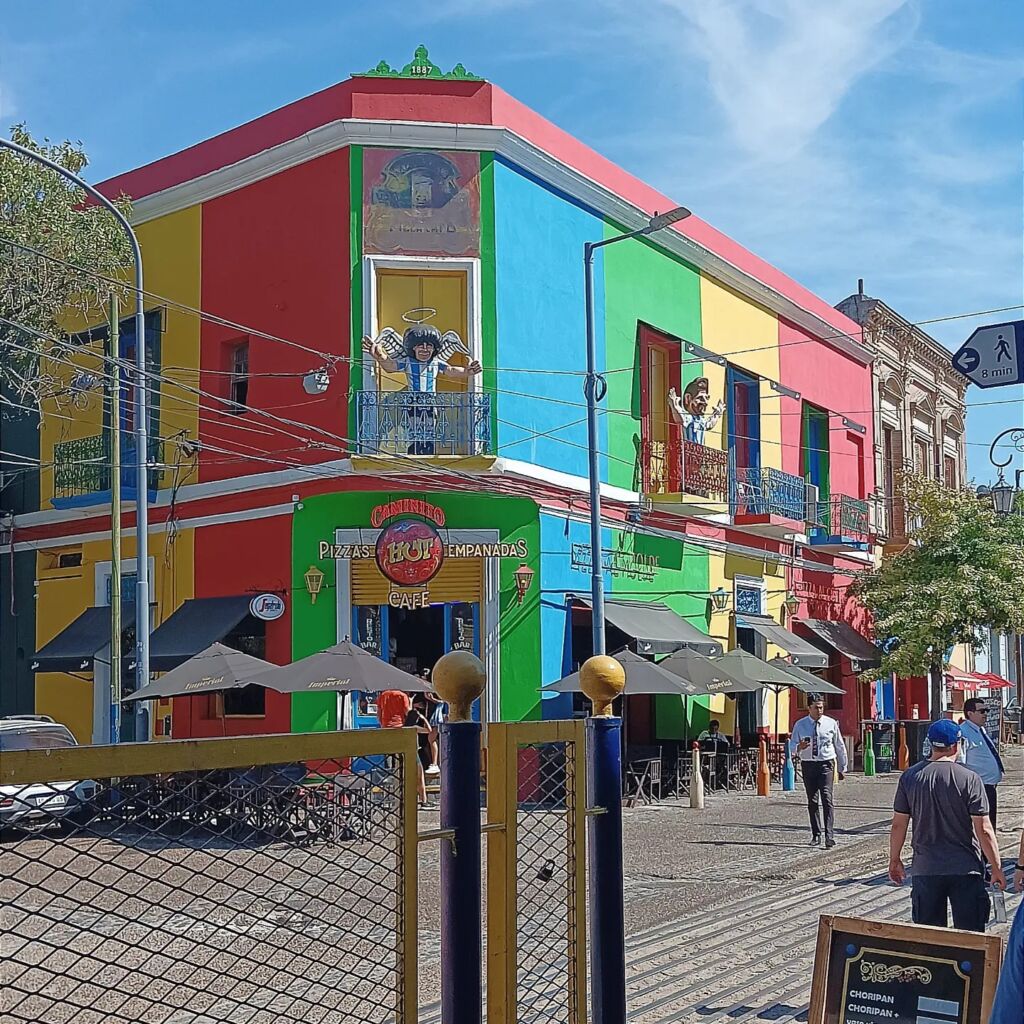
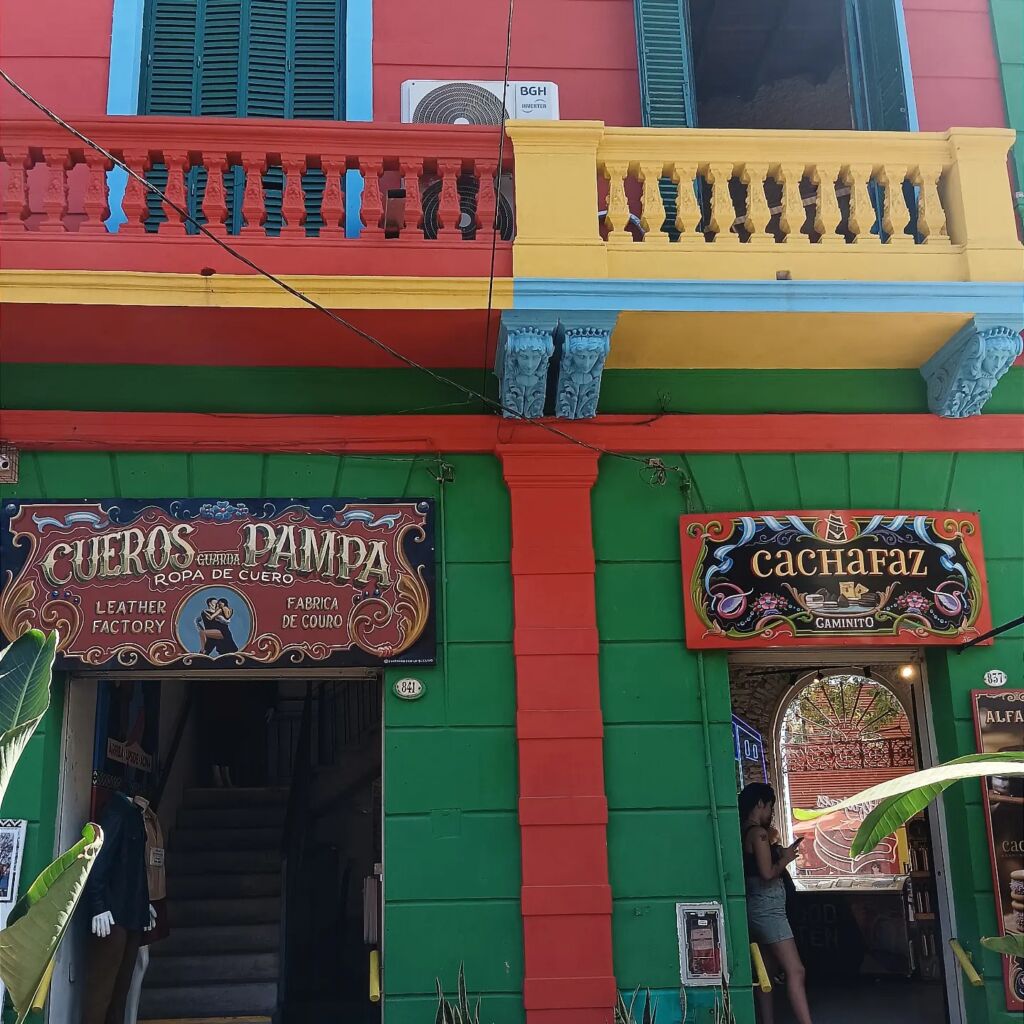
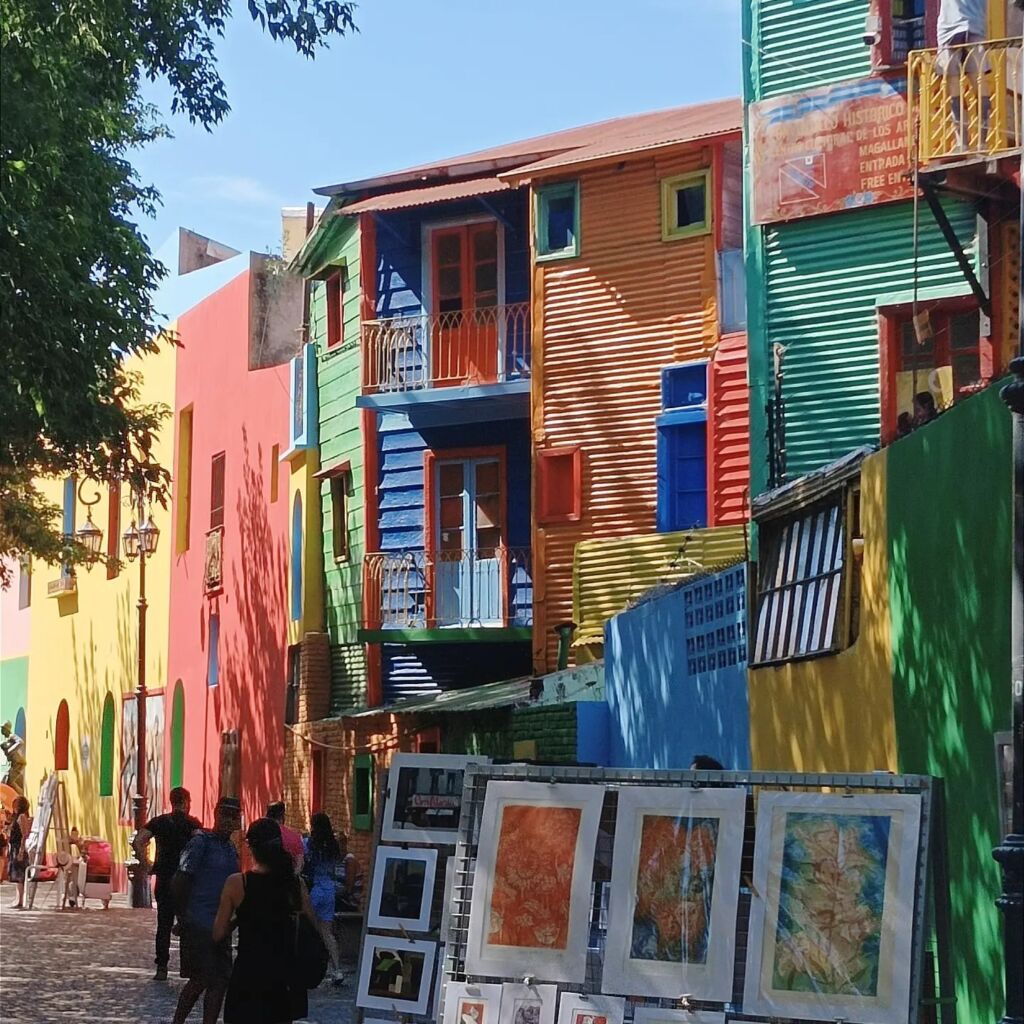
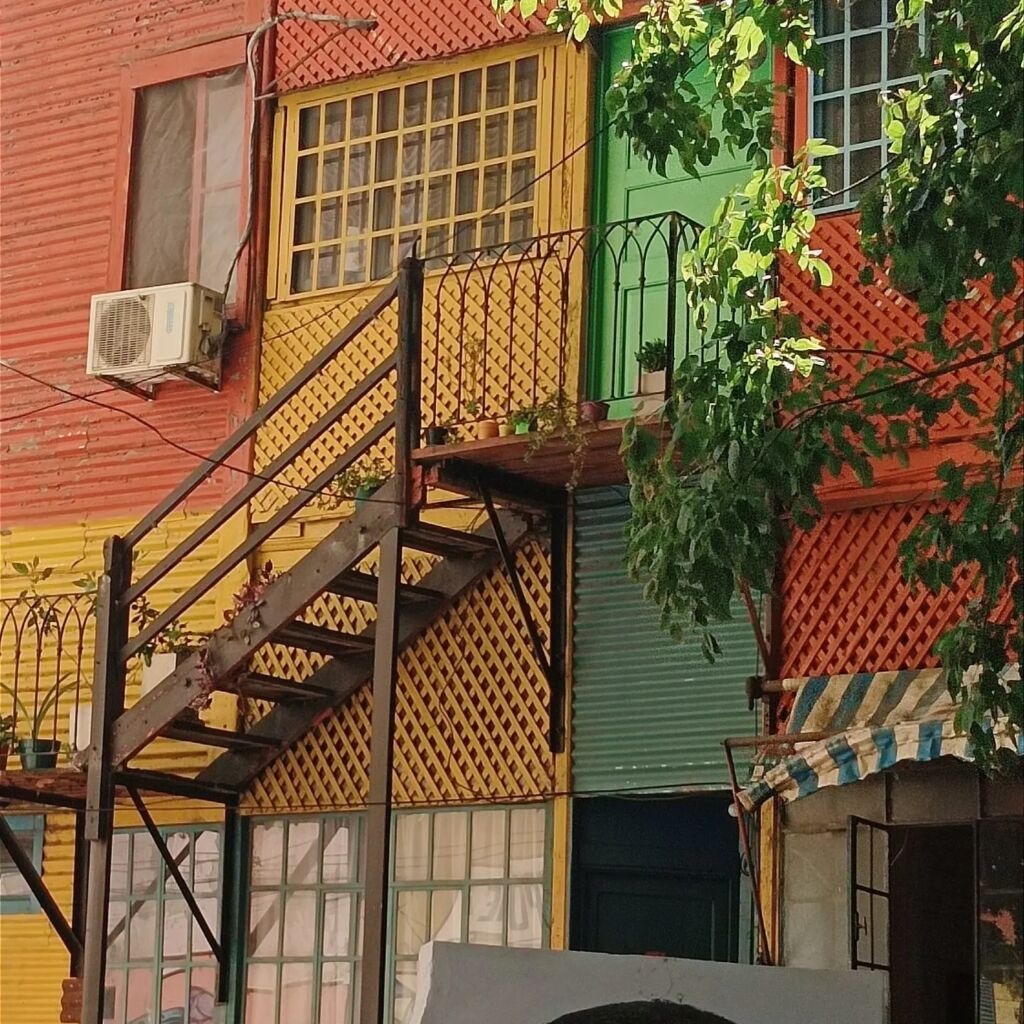
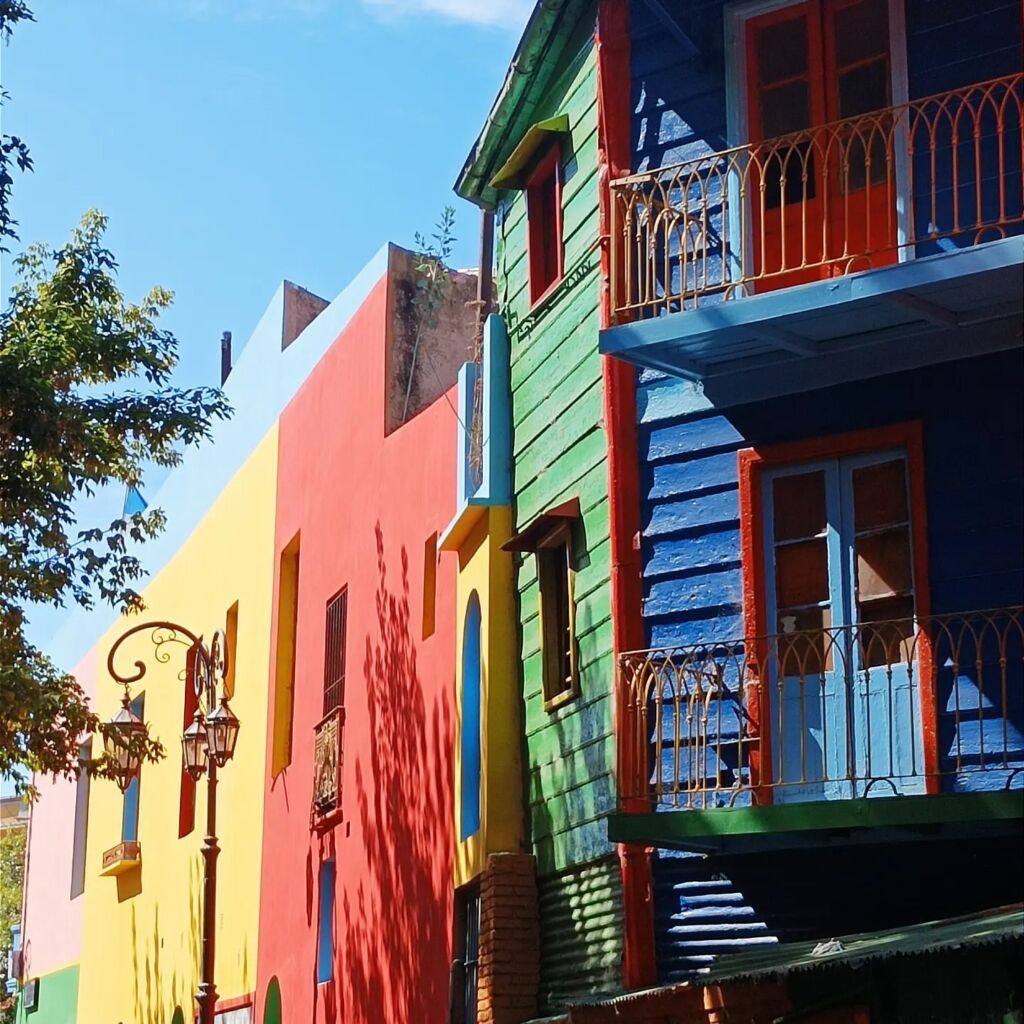
While Recoleta is elegant and aristocratic, La Boca is raw, vibrant, and unapologetically theatrical. This neighborhood was once home to thousands of dockworkers, many of them immigrants from Genoa in Italy. The houses here were built using scrap materials from shipyards. Paint was expensive. So residents used leftover paint from ships. Different colors for different walls. The result was accidental art. A neighborhood painted like a carnival.
Caminito of Buenos Aires: A Street That Became a Painting
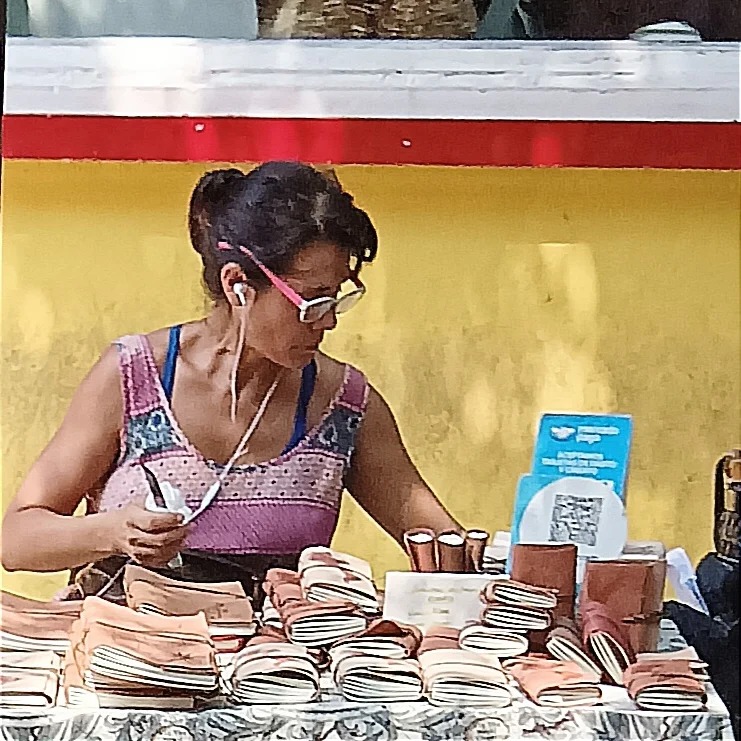
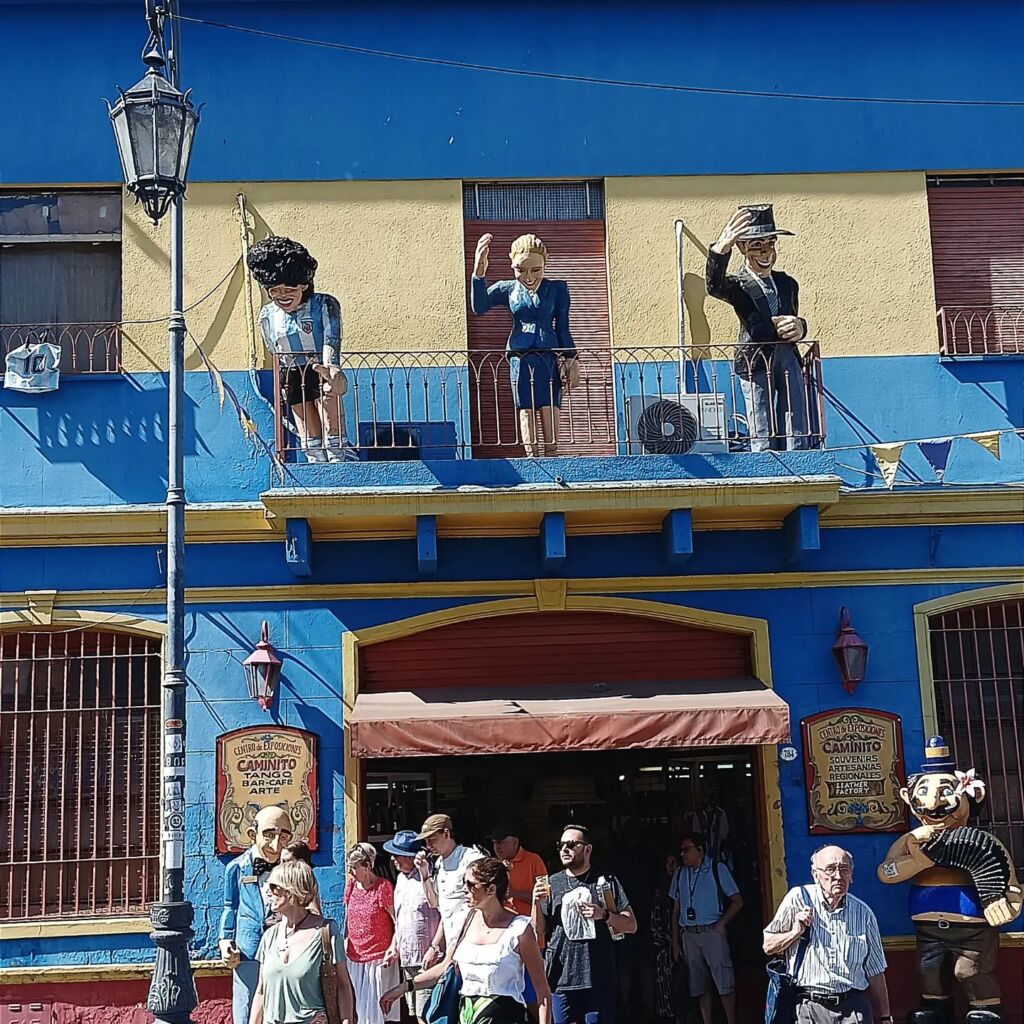
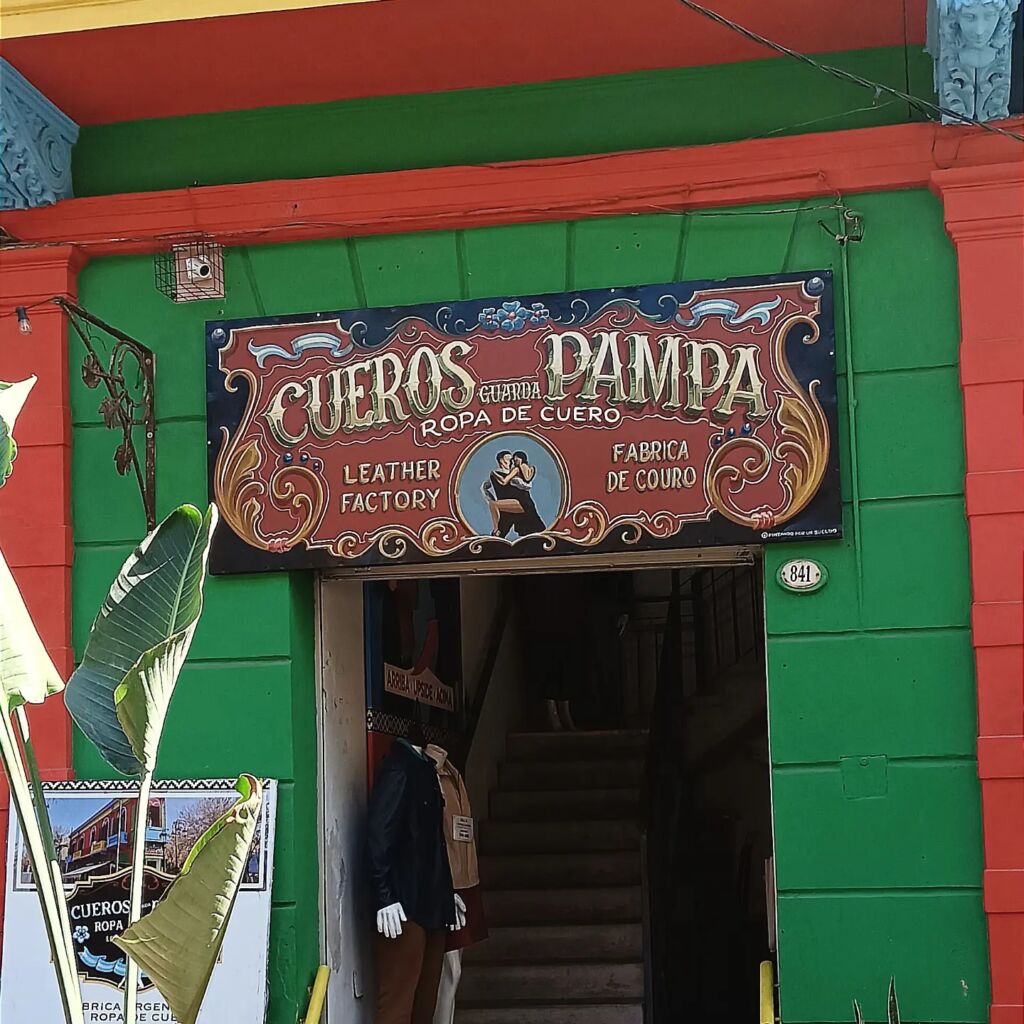
The most famous street in La Boca is Caminito. Originally a railway track. Later abandoned. Then transformed in the 1950s into an open-air art museum. Today Caminito is a sensory overload. Artists selling paintings. Musicians playing accordions. Tango dancers performing on street corners. Restaurants blasting Argentine music. And everywhere you look, color. It’s chaotic. And touristy. It’s impossible not to smile while walking through it.
Tango: The Soul of Buenos Aires
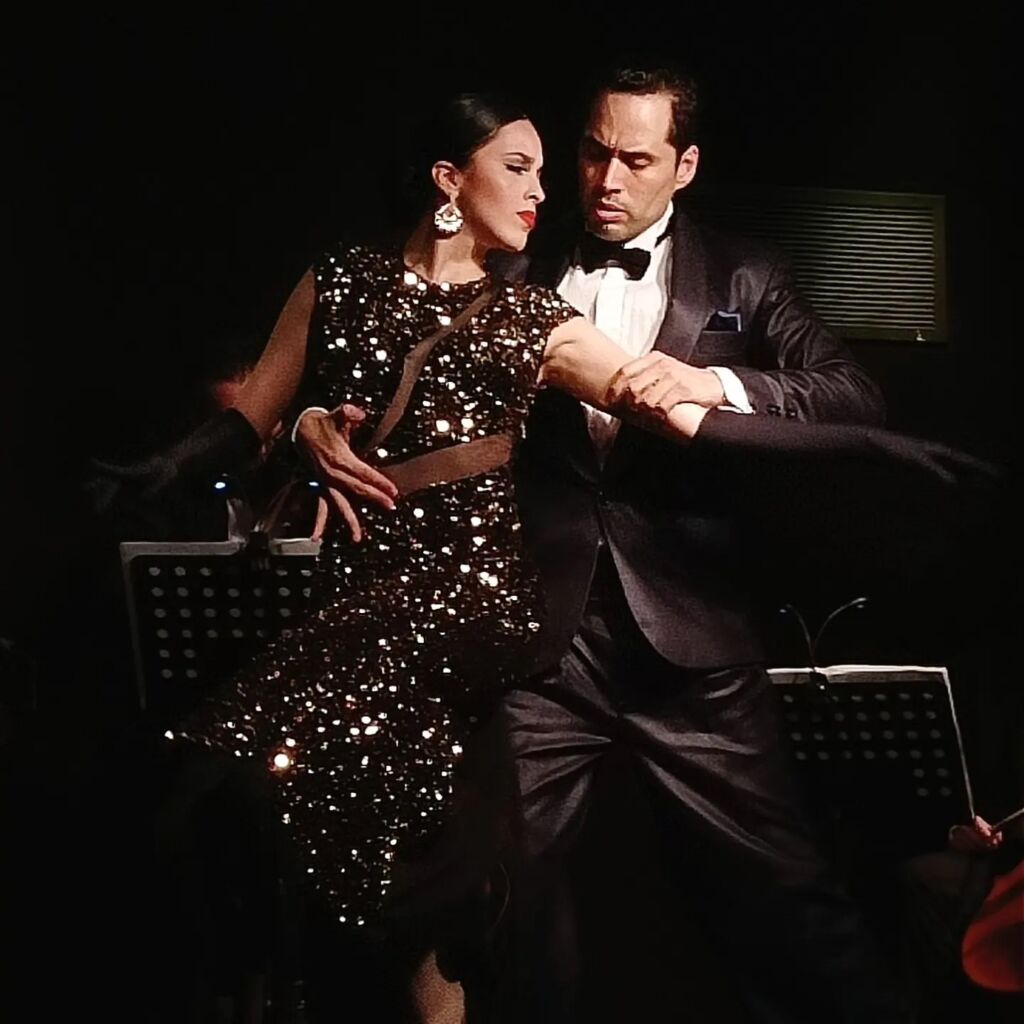
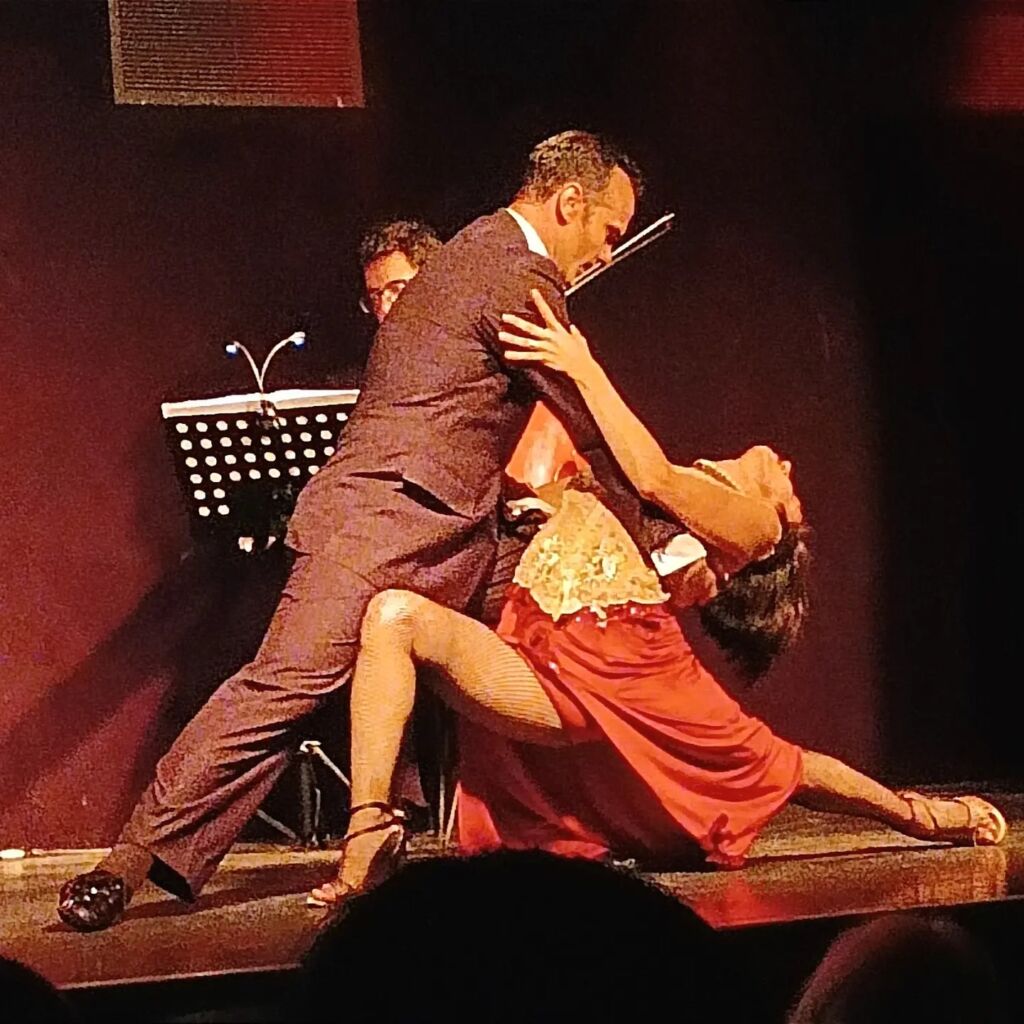
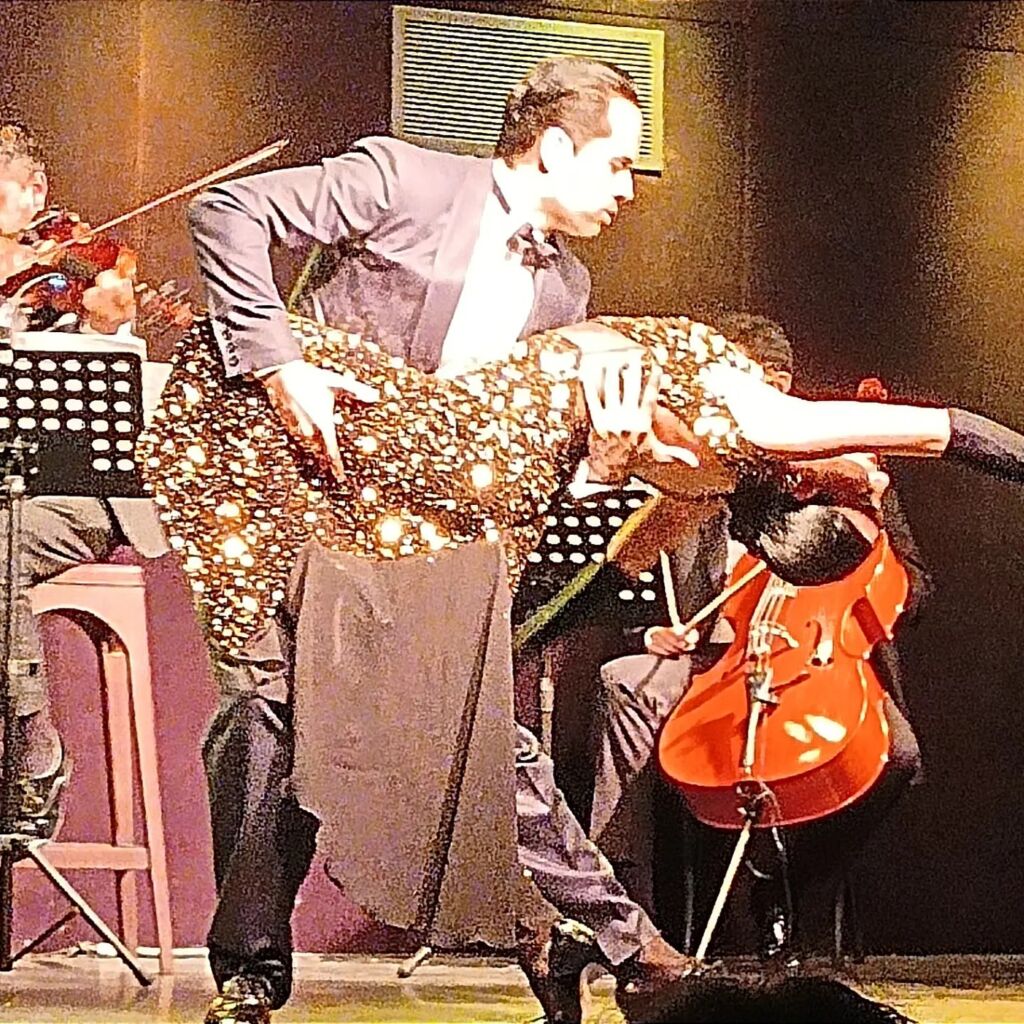
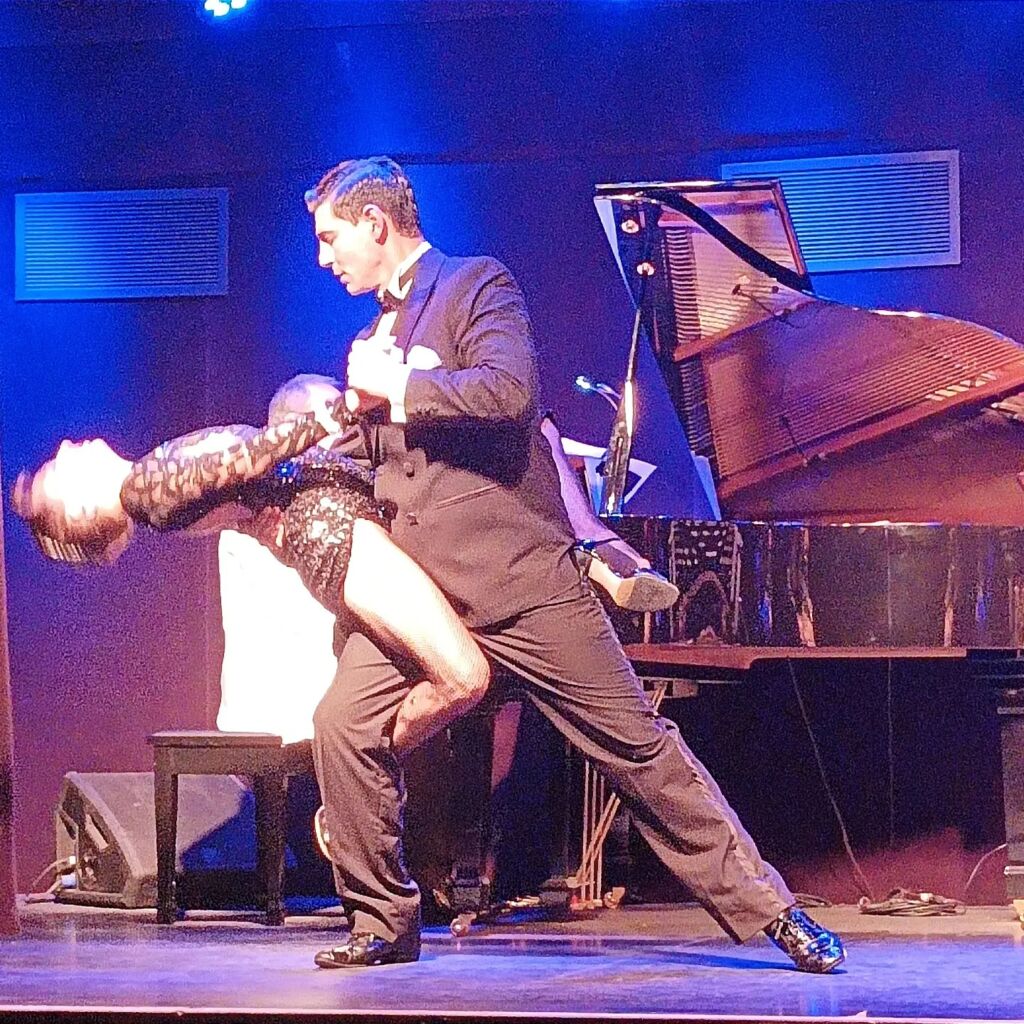
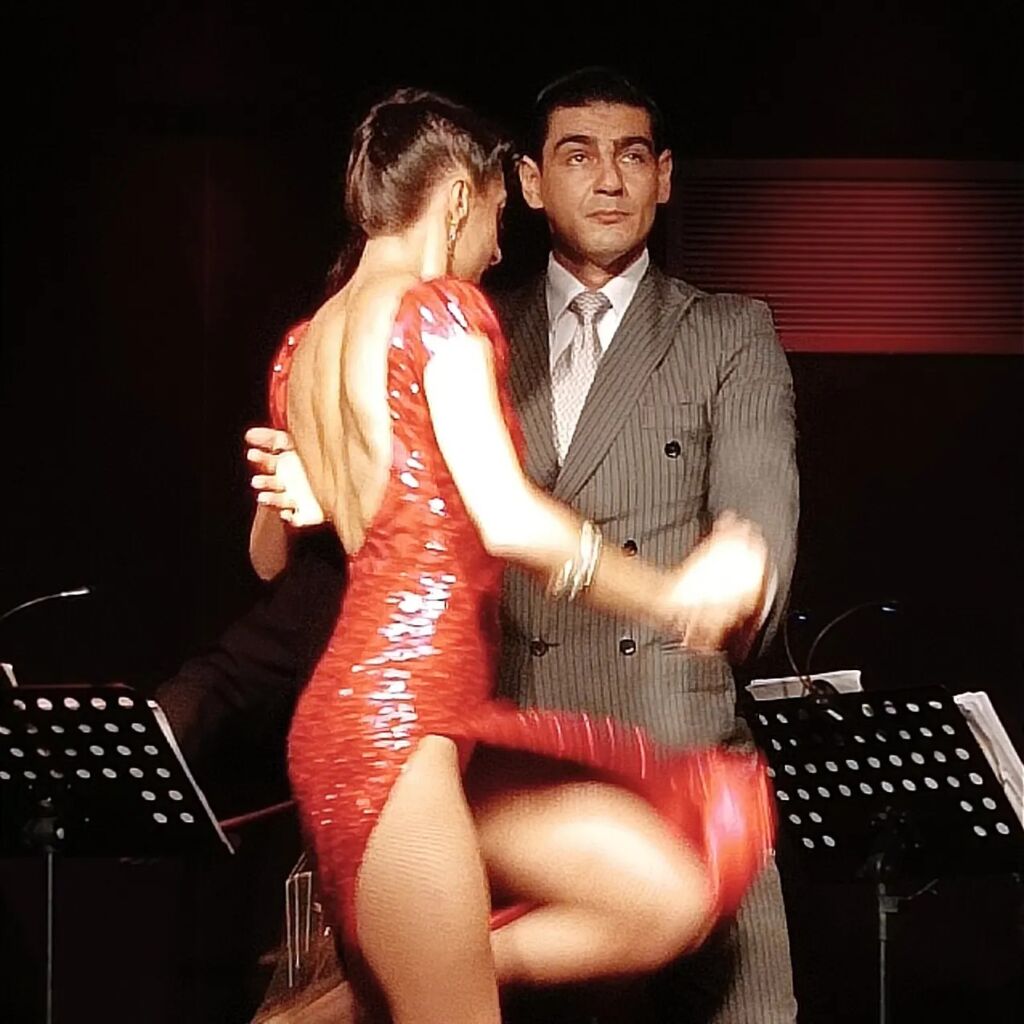
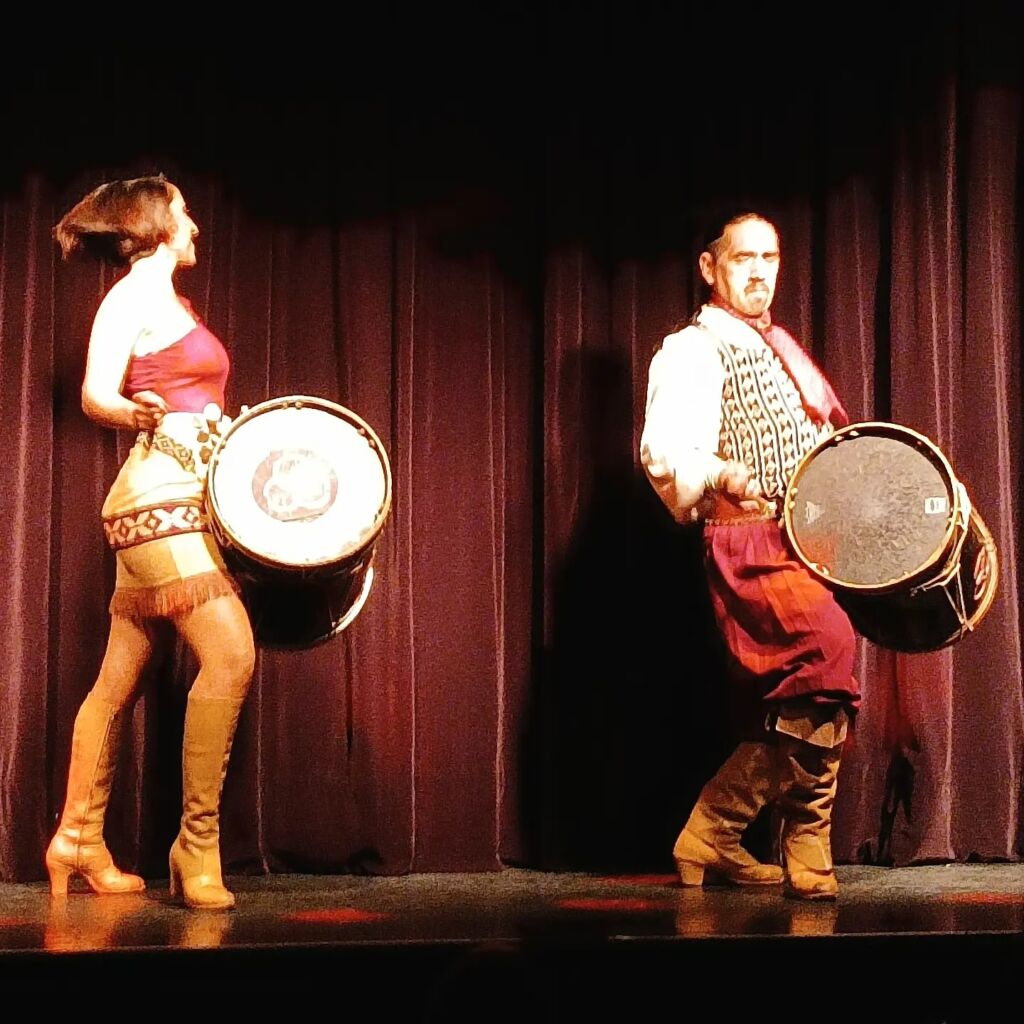
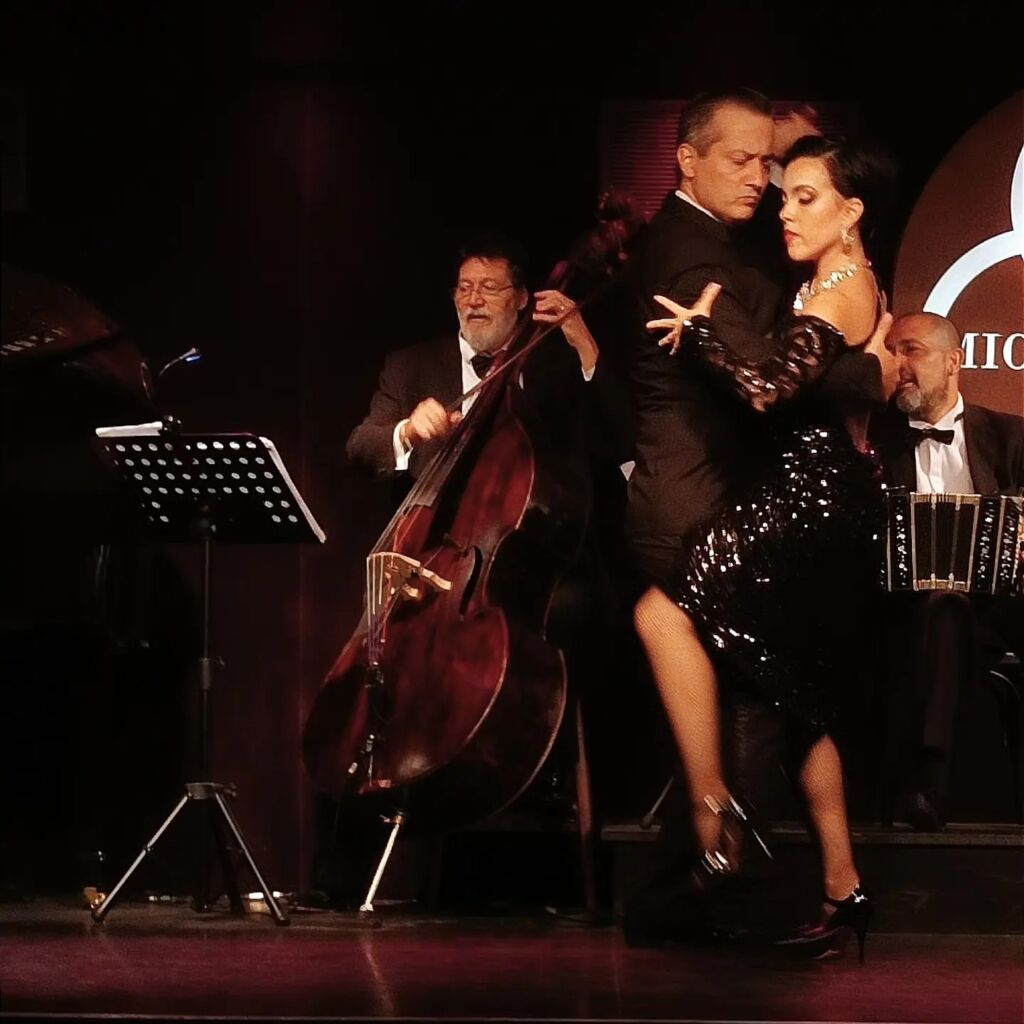
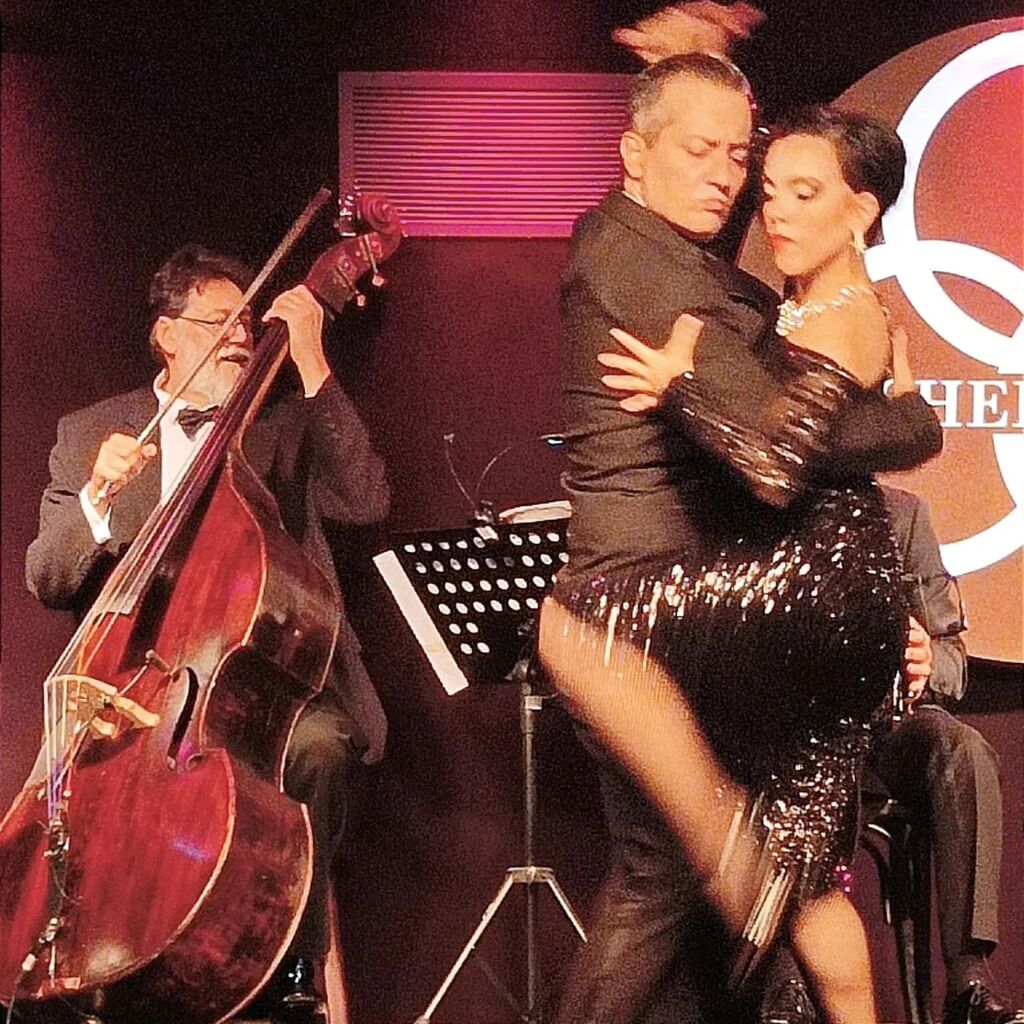
If Buenos Aires has a heartbeat, it beats in Tango. Tango emerged in the late 1800s among working-class communities near the port. Immigrants far from home. Lonely men living in crowded neighborhoods. Music born from longing. Tango is not a cheerful dance. It is a dance of tension… Of desire and restraint. And stories told without words.
Watch two tango dancers closely and you realize something. They are not performing. They are conversing. Every step is a sentence. Each pause is punctuation.

The Bandoneón: The Soulful Voice Behind Tango
If tango is the emotional language of Buenos Aires, then the instrument that speaks that language most fluently is the Bandoneón. At first glance, the bandoneón looks like a slightly awkward cousin of the accordion. A box of wood and metal. Buttons instead of piano keys. Bellows opening and closing like the lungs of the instrument. But when it begins to play, something remarkable happens…
The sound is not cheerful like an accordion. It is darker. Lonelier. Almost like the instrument itself is remembering something lost. That sound became the emotional signature of tango.
A German Instrument That Became Argentine
Ironically, the bandoneón is not Argentine at all. It was invented in 19th-century Germany, originally intended as a portable instrument for church music. The idea was simple: an instrument that could replace the organ in small parishes.
But in the late 1800s, thousands of European immigrants arrived in Argentina, many from Germany and Eastern Europe. Among the belongings they carried across the Atlantic were these strange box instruments. Somehow the bandoneón ended up in the bars and port districts of Buenos Aires.
And there, something magical happened… The instrument met tango. The melancholic tone of the bandoneón perfectly matched the emotional world of the immigrants living in the port neighborhoods… Loneliness and Homesickness and Desire and Longing… All of it seemed to flow naturally through the bandoneón’s breath-like sound… Before long, tango orchestras were built around it.
The Sound of Nostalgia
Part of what makes the bandoneón so expressive is its complexity. Each button produces a different note when the bellows open and when they close. That means the same button can produce two notes depending on the direction of the bellows.
Of course, learning to play it is notoriously difficult. But that difficulty also gives the instrument its emotional depth. The push and pull of the bellows creates phrasing that feels almost human… like breathing… Or like sighing… Like telling a story without words.
And once you hear it in a tango orchestra, you begin to realize something. The bandoneón isn’t just accompanying the dance. It is narrating it.
Astor Piazzolla and the Modern Tango
The greatest master of the bandoneón was Astor Piazzolla. Piazzolla revolutionized tango in the mid-20th century. He blended traditional tango with jazz and classical music, creating what became known as Nuevo Tango. Many traditionalists hated it at first. But today Piazzolla’s music is considered one of Argentina’s greatest cultural exports.
Listen to pieces like Libertango or Adiós Nonino, and the bandoneón becomes something more than an instrument… It becomes a storyteller.
The Instrument That Breathes the City
In Buenos Aires today you can still hear the bandoneón in tango clubs and street performances and
small orchestras in old cafés. When the bellows open and the first note escapes into the room, the atmosphere changes instantly. The sound carries the entire emotional history of the city… Of immigrants arriving at the port, and lovers meeting in dimly lit dance halls… Or late-night arguments about politics and poetry… The bandoneón holds all of that inside its wooden frame.
Which is why, when tango begins and the bandoneón takes the lead, it feels less like music and more like memory… And in Buenos Aires, memory is never very far away.
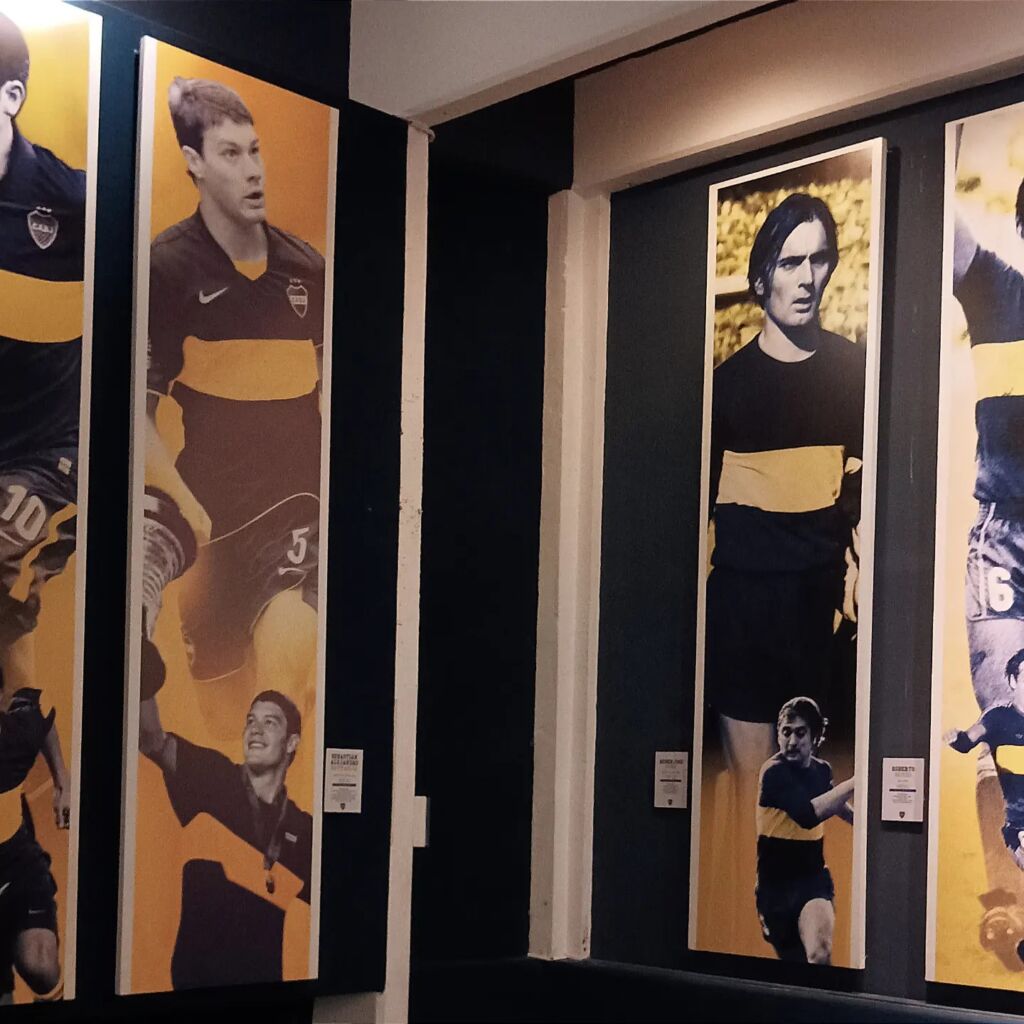
Football: Religion of Buenos Aires in Blue and White
If tango is the emotional language of Buenos Aires, football is its religion! Not sport. Religion.
Argentina breathes football in every café television, every street conversation, every child kicking a ball in a dusty neighborhood square. And above all, the city lives under the shadow of two footballing giants.
Diego Maradona and Lionel Messi
Maradona: The Street God

Diego Maradona was not just a footballer. He was mythology in human form. Born in a poor Buenos Aires neighborhood, he rose to global fame with almost supernatural skill.
His most famous moment came during the 1986 FIFA World Cup, when he scored two legendary goals against England. One was the infamous “Hand of God.” The other was a dazzling dribble past half the opposing team that is still widely considered the greatest goal ever scored.
Maradona embodied Argentina… Brilliant and Chaotic and Rebellious and Flawed. When he died in 2020, millions flooded the streets of Buenos Aires in grief. Murals of Maradona cover entire buildings across the city. To many Argentines, he is not merely remembered. He is worshipped.

Messi: The Quiet Genius
If Maradona was fire, Lionel Messi is precision. Soft-spoken, Almost shy. Yet capable of moments of breathtaking brilliance. For years Messi carried the burden of comparison with Maradona. But when he finally led Argentina to victory in the 2022 FIFA World Cup, the country erupted. In Buenos Aires alone, over five million people filled the streets. Cars abandoned. Flags everywhere. Strangers hugging strangers.
Argentina had waited 36 years for that moment. Messi had completed the story. And the country had found its new hero.
The River That Looks Like a Sea
Buenos Aires sits beside the enormous Río de la Plata. Technically a river. But it stretches nearly 220 kilometers across at its widest point. From the city’s edge the water looks endless. Ships move slowly along the horizon. Sunsets turn the water copper. And locals gather along the shoreline to drink mate and watch the evening sky. It’s one of those simple urban rituals that makes you feel like you understand a city.
Tigre: Buenos Aires’ Secret Venice
Just an hour from downtown Buenos Aires lies a completely different world. The Tigre Delta. A labyrinth of rivers and islands formed where the Paraná River spreads out before meeting the Río de la Plata. Here, houses sit on stilts above the water… Boats function as taxis. Children go to school by river. Grocery stores float. And the silence of the mangroves replaces the roar of city traffic. It feels less like a suburb and more like a secret ecosystem hidden beside a giant metropolis.
Food, Wine and the Argentine Appetite
Buenos Aires also happens to be one of the best food cities in South America. Steakhouses, called parrillas, dominate the culinary scene. Argentina’s famous beef is grilled slowly over wood fire. Served with chimichurri sauce. And usually accompanied by a glass of Malbec, the country’s signature red wine. Even simple meals here feel celebratory.
Argentines treat food not just as sustenance but as an excuse to gather… To talk. Maybe argue. And to laugh.
Buenos Aires – A City of Contradictions
Buenos Aires is elegant and chaotic. Romantic and rebellious. European in architecture but Latin American in soul. It is a city that produces poets and revolutionaries. A city where tango plays in the streets and philosophers once debated literature over coffee.
And somewhere among its boulevards and colorful neighborhoods, you realize something. Buenos Aires is not trying to impress you. It is simply being itself… Bold. Emotional. And unapologetically alive.
This was Part of the Mini Blogs on my travels in Argentina… Read the full travelogue here…
And just in case you want to visit Argentina, contact Beyonder Travel. Oh, and feel free to check out the other experiences across the world that are put up there…






Leave a Reply