
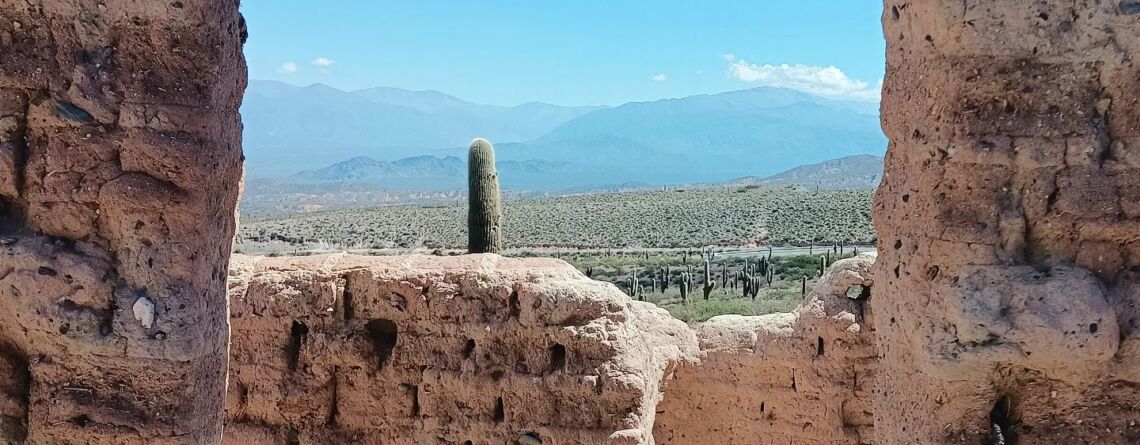
Argentina – A Travel Story – Beyonder
Argentina: From Tagore’s Buenos Aires to the Train in the Clouds
A journey across jungles, deserts, wine valleys and mountains painted by time
There are some countries you visit. And then there are countries that rearrange your internal compass. Argentina belongs firmly in the second category.
This journey begins in the elegant avenues of Buenos Aires, wanders through the river labyrinth of the Tigre delta, plunges into the thunder of Iguazu Falls, and then climbs steadily into the stark, high-altitude deserts of the Andes, where salt flats stretch to the horizon and a train crawls across steel bridges at over 4,000 meters above sea level.
Along the way, you pass through colonial villages, vineyards hidden inside desert valleys, and mountains that look like someone spilled a painter’s palette across the earth.
But the story of Argentina isn’t just landscapes. It’s poetry, dance, geology, migration, and survival in extreme environments.
And in a strange twist of literary history, this story even intersects with one of India’s greatest poets.
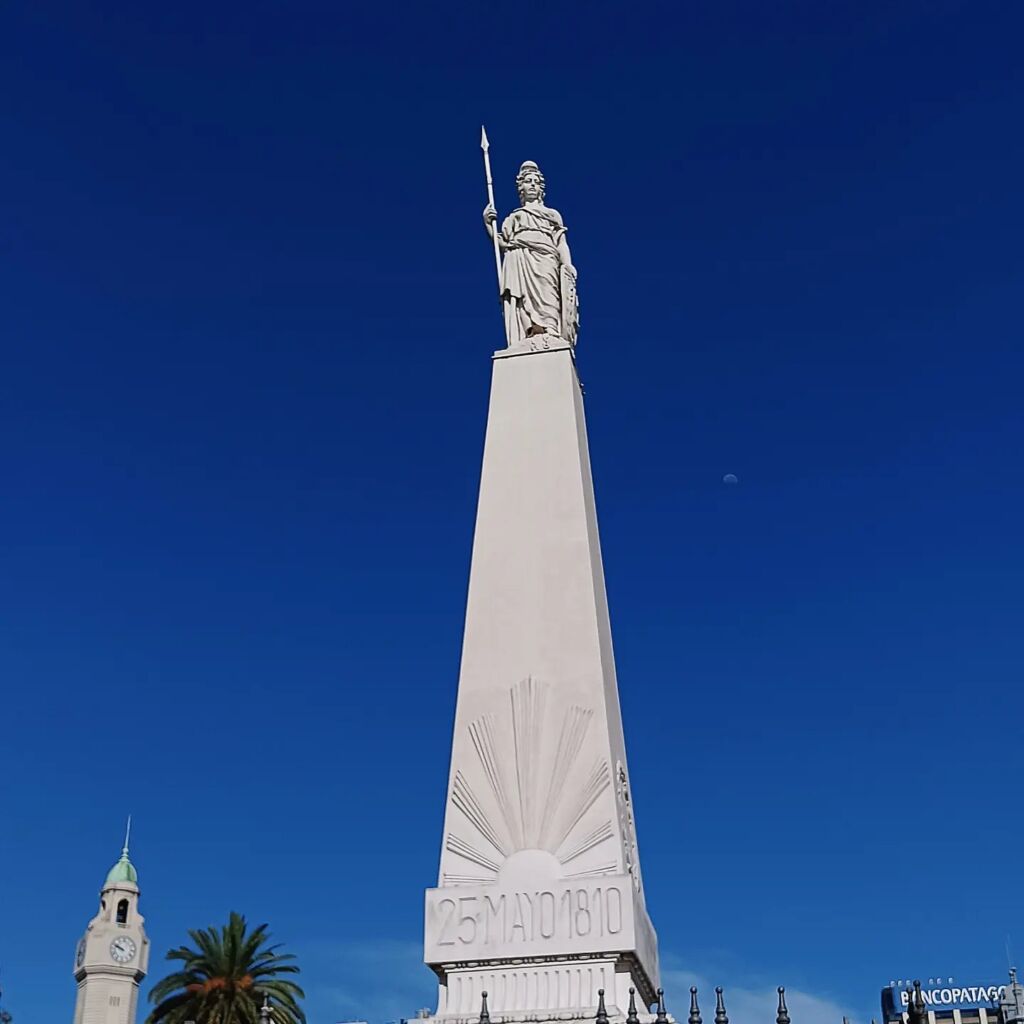
Buenos Aires of Argentina: The Paris of South America (with a Bengali connection)
The first impression of Buenos Aires is architectural. Grand boulevards, Parisian-style buildings, Cafés spilling onto sidewalks… But look closer and the city reveals something more layered… a blend of Spanish colonial roots, massive European immigration in the late 19th century, and a distinctly Latin American soul.
It is here that Rabindranath Tagore once spent time in the 1920s as a guest of Victoria Ocampo, the influential Argentine intellectual who admired his work deeply. Tagore stayed in a villa in the suburb of San Isidro during his visit to Argentina. Their correspondence and friendship became part of literary history, bridging two cultures separated by half the planet.
Standing in Buenos Aires today, it’s remarkable to think that the author of Gitanjali once walked these streets. The city has always had that quality, a place where ideas, languages, and cultures collide.
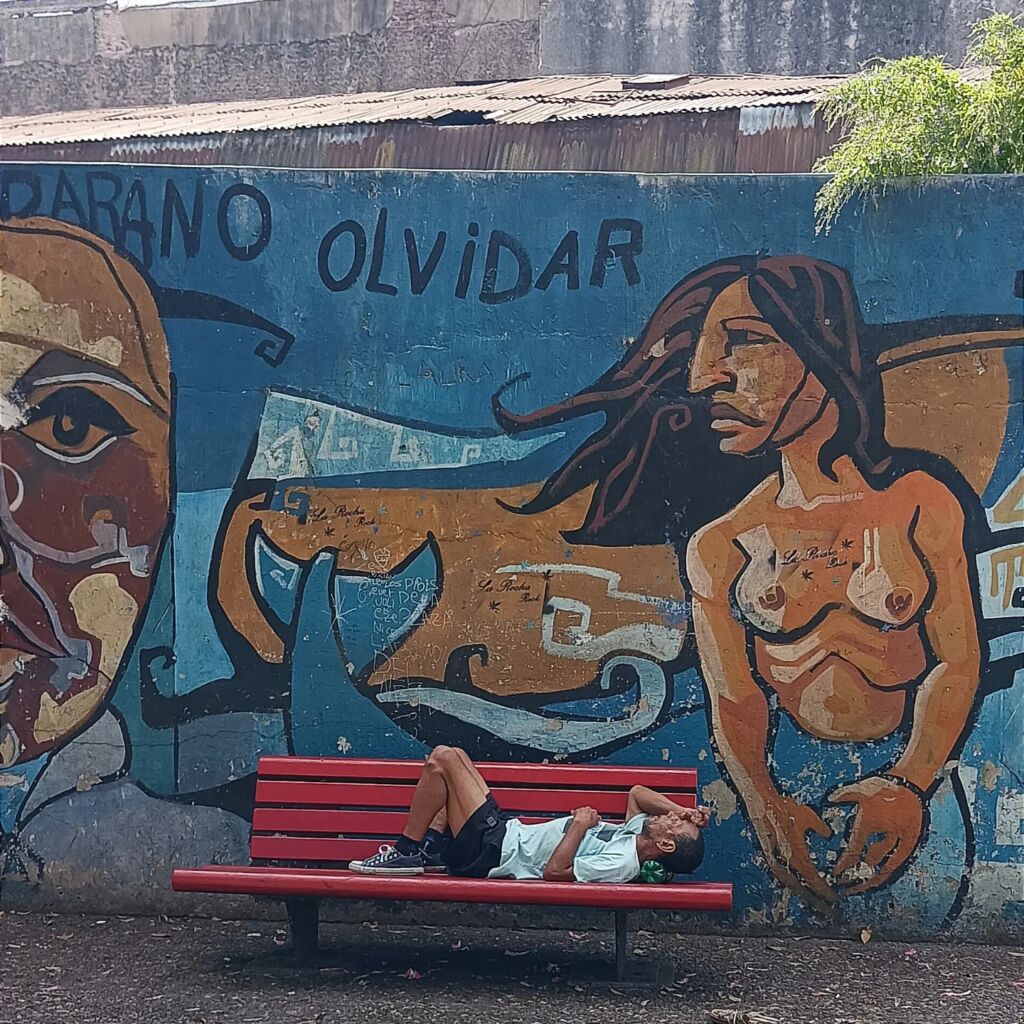
La Boca: Where Color Explodes
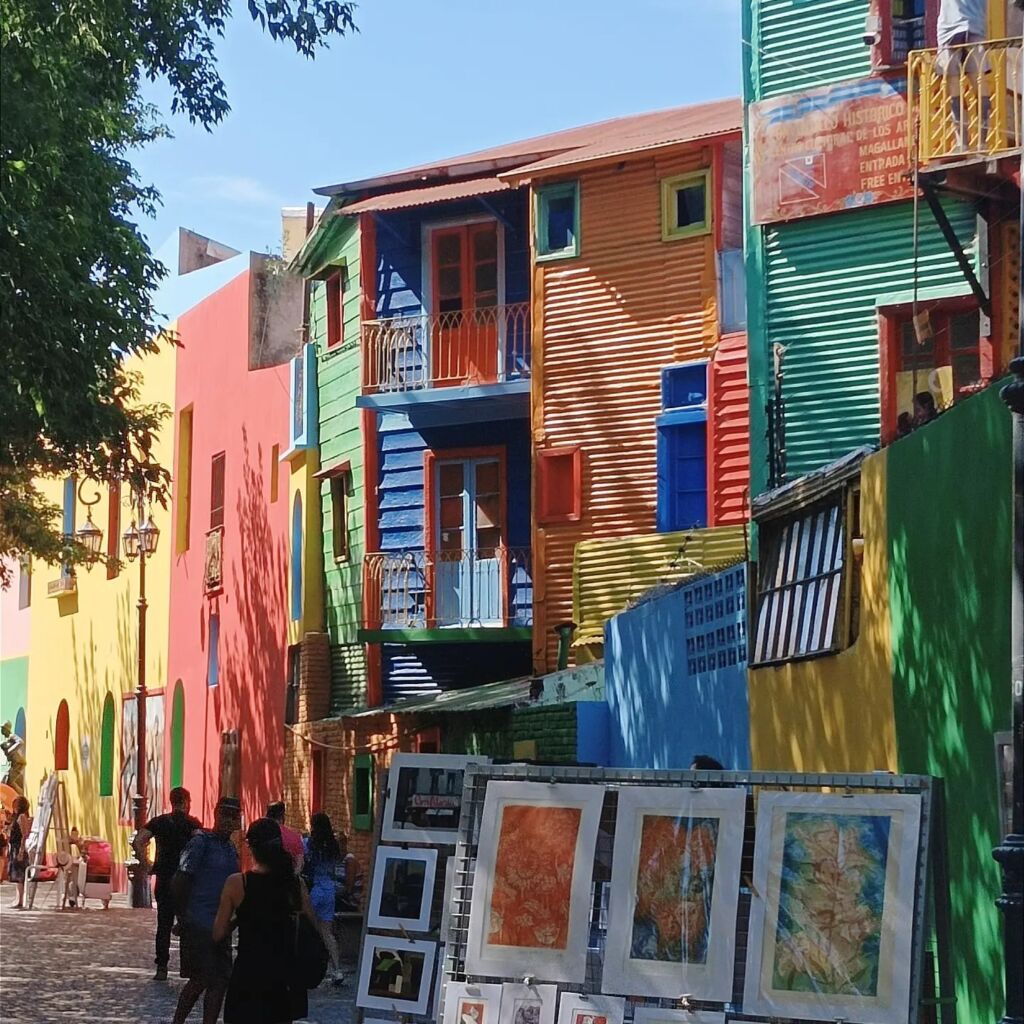
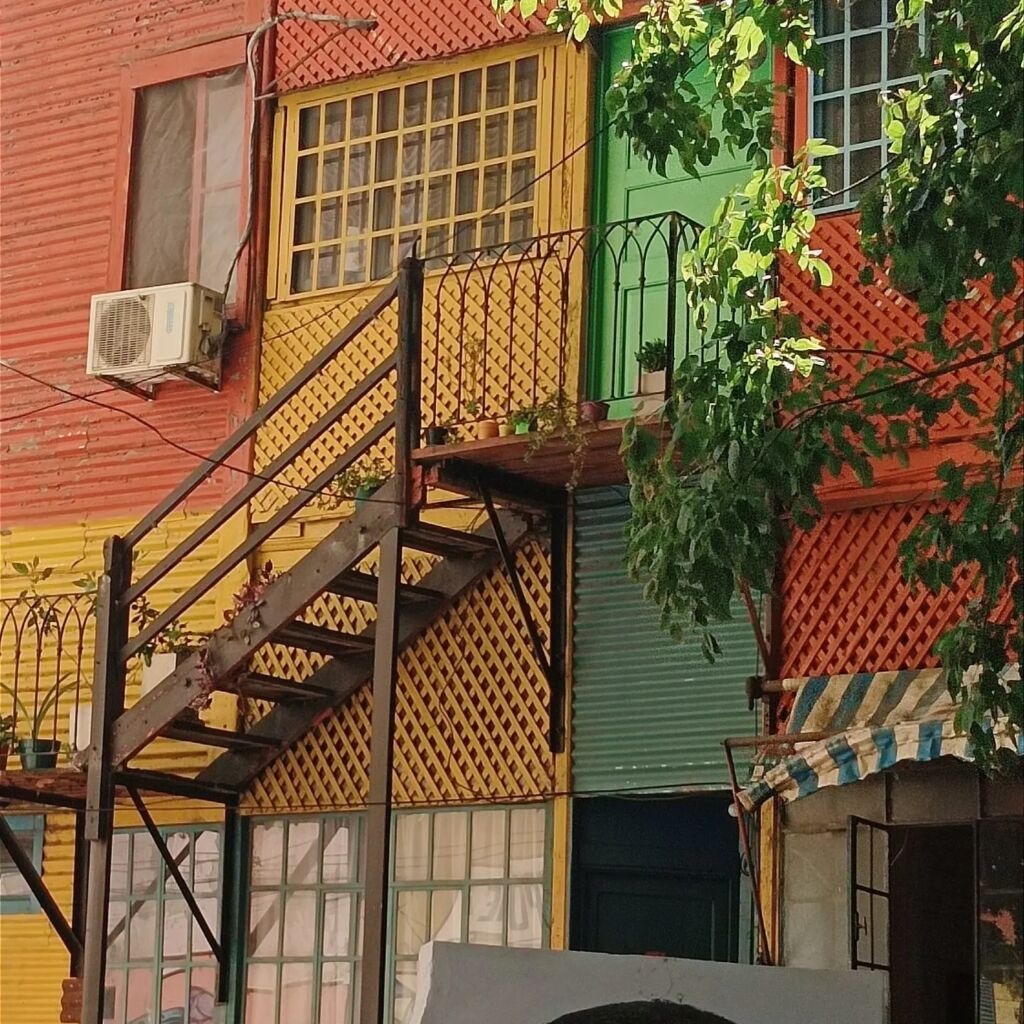
If Buenos Aires is elegant, the neighborhood of La Boca is theatrical. This area was settled by Italian dock workers in the 19th century, many from Genoa. The houses were built from leftover shipyard materials and painted with whatever paint remained from ships… which is why the buildings burst with color.
The heart of the neighborhood is Caminito, an open-air street museum where brightly painted houses form a patchwork of red, blue, green, and yellow. Musicians play… Artists sell paintings… Couples demonstrate tango steps in the street… La Boca doesn’t whisper culture. It shouts it.

Tango: The Dance of Buenos Aires
Few cities in the world have a dance that defines them the way Tango defines Buenos Aires. Tango was born in the late 19th century in the working-class neighborhoods near the port. Immigrants from Italy, Spain, Africa, and Eastern Europe lived side by side. Loneliness, longing, and nostalgia filled the air. Out of that emotional mixture emerged a dance that is both passionate and melancholic.
Tango is less about choreography and more about connection. It’s an improvised conversation between two people. Watching it in Buenos Aires, whether in a professional show or in a spontaneous street performance, feels like witnessing the emotional heartbeat of the city.



In case you want to read more on my experience in Buenos Aires, check out Buenos Aires – The Beauty and the Chaos – Beyonder
North to the Jungles of Argentina: Iguazu
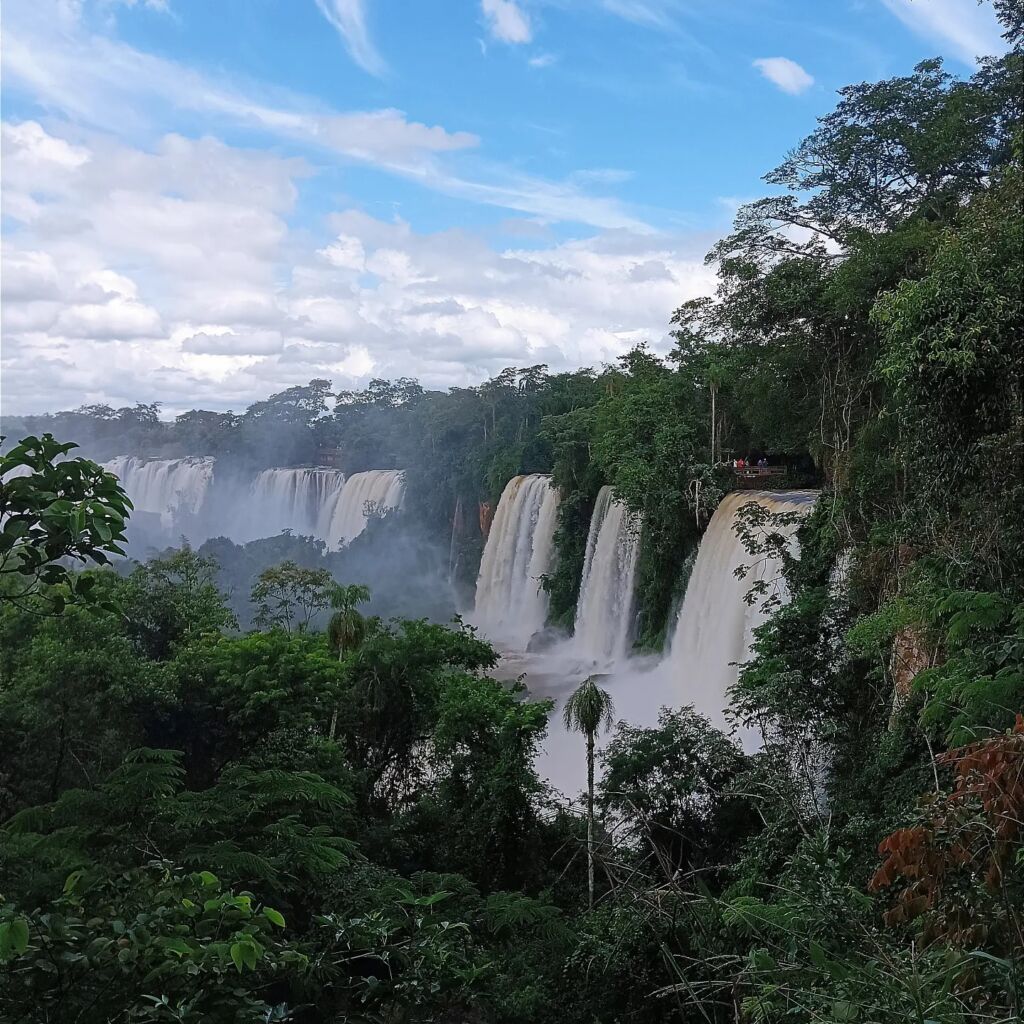
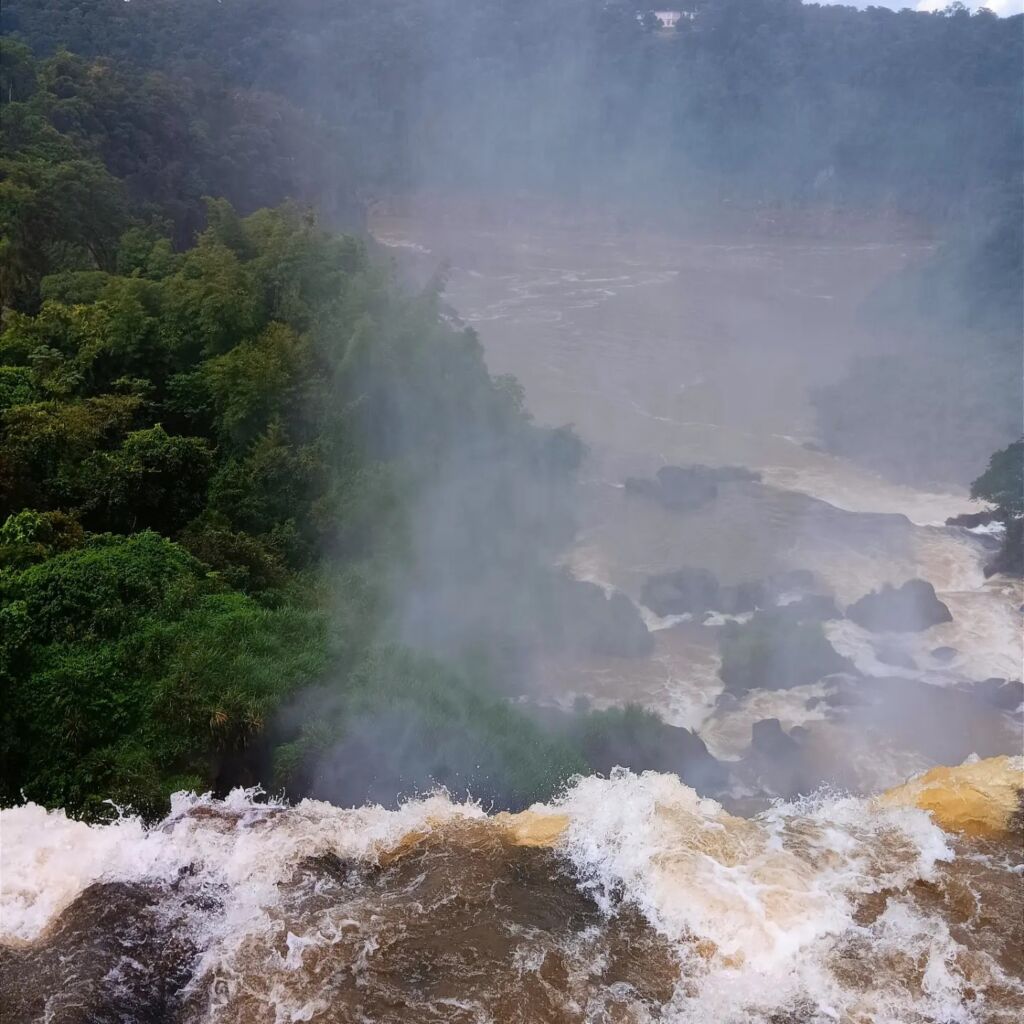
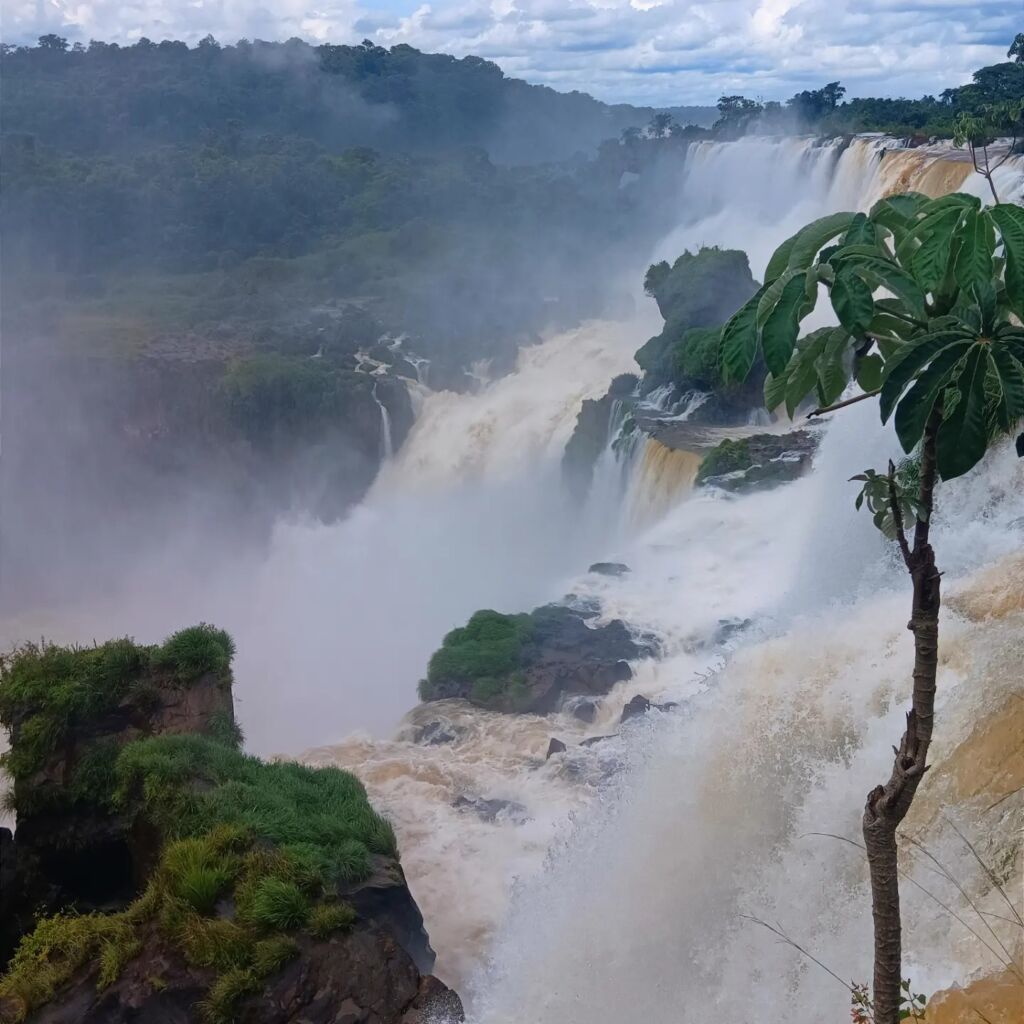
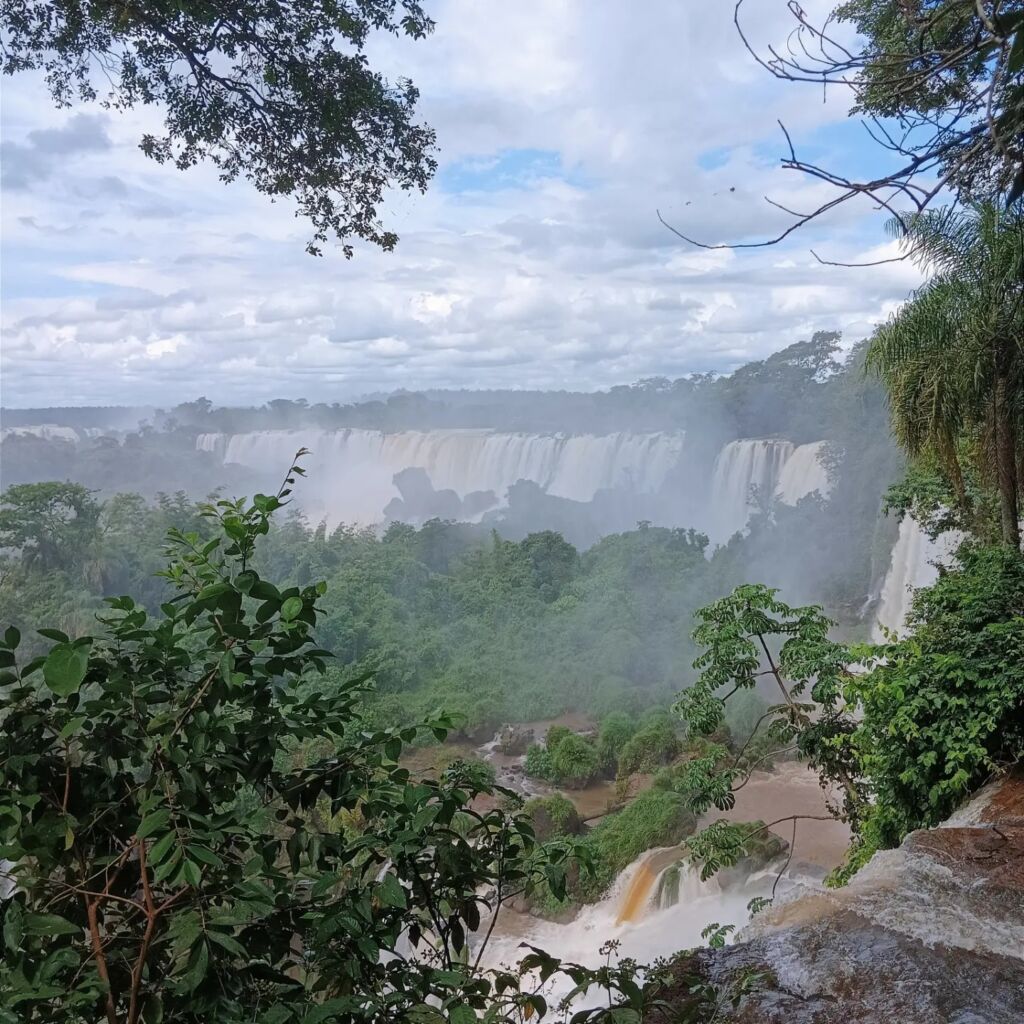
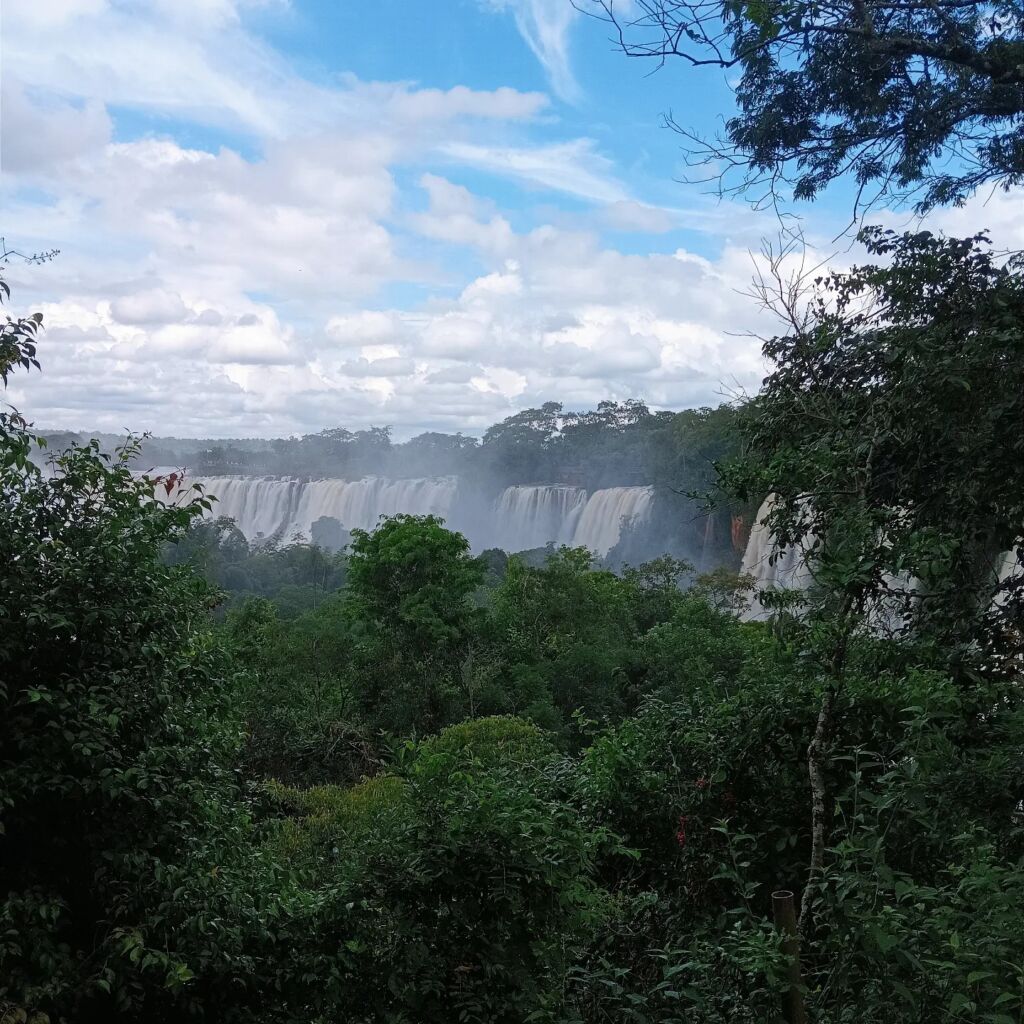
From Buenos Aires the journey leaps north into the subtropical rainforest. Humidity rises. The forest thickens. Bird calls echo through the canopy. Then suddenly the ground trembles with sound. You hear the waterfalls before you see them. And then the jungle opens to reveal the immense curtain of water that is Iguazu Falls.
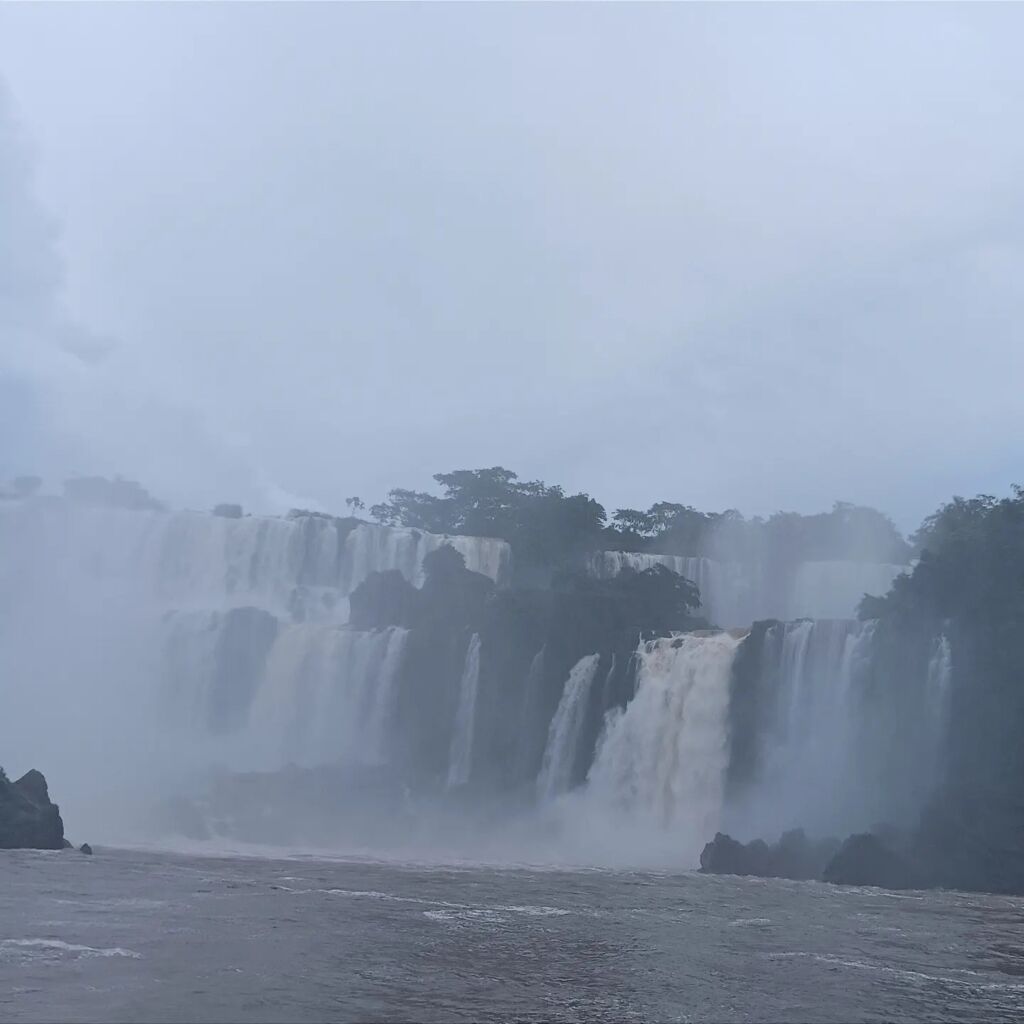
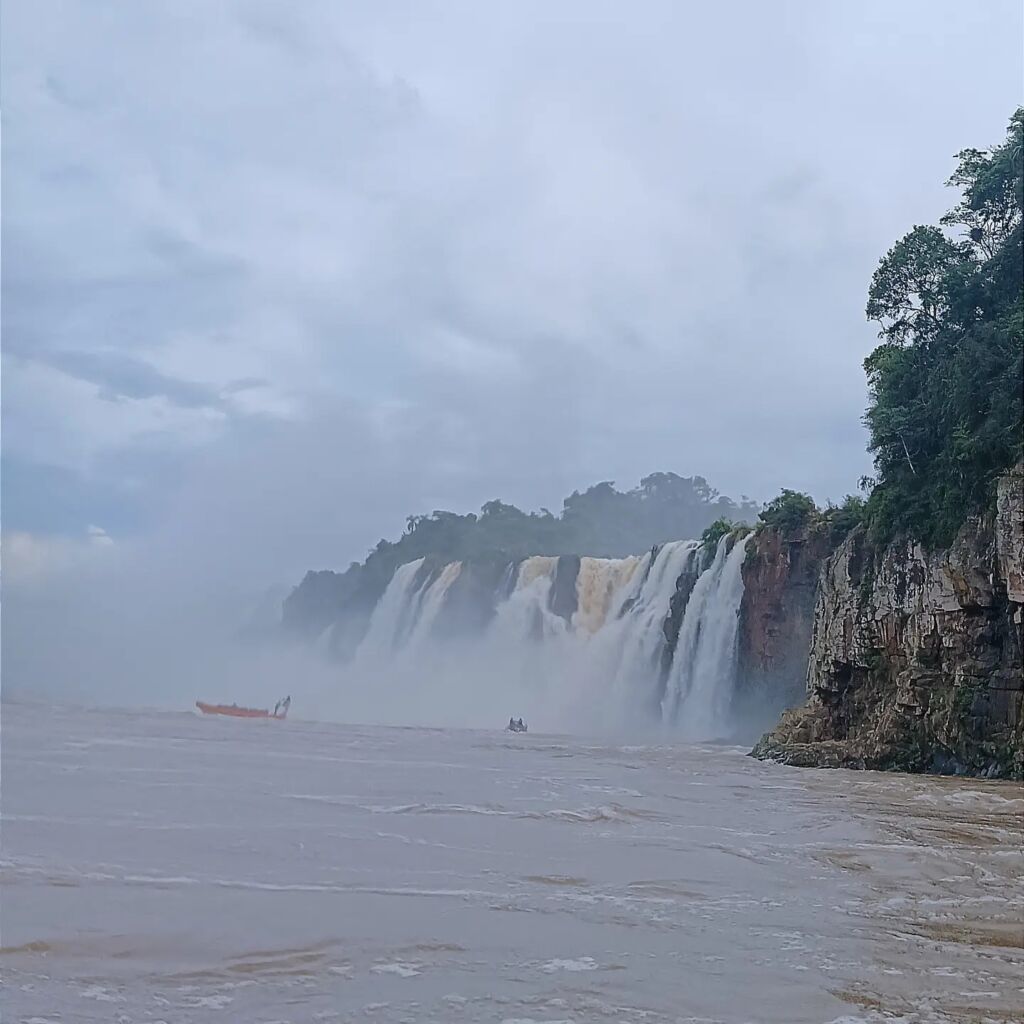
Nearly 275 waterfalls crash along a cliff system nearly three kilometers wide. Mist rises hundreds of feet into the air. Rainbows flicker in and out of existence every few seconds. Standing at the edge of the falls feels like standing inside a living storm.
The Hidden Wildlife of Iguazú
The surrounding rainforest is part of the Atlantic Forest, one of the most biodiverse ecosystems in South America. Even if you didn’t notice many animals, the forest around you was alive. I didn’t notice most of them… Till folks around me (one was a guide of some other group, I suspect) pointed them out… Monkeys swinging through the canopy. Birds darting through the mist. Reptiles basking quietly along the riverbanks.
Some of the animals most commonly encountered here include:
- Monkeys like the • Black-horned capuchin and the • Brown howler monkey. By the way, the Howler monkeys produce one of the loudest calls of any land mammal. Apparently their roar can travel five kilometers through dense forest.
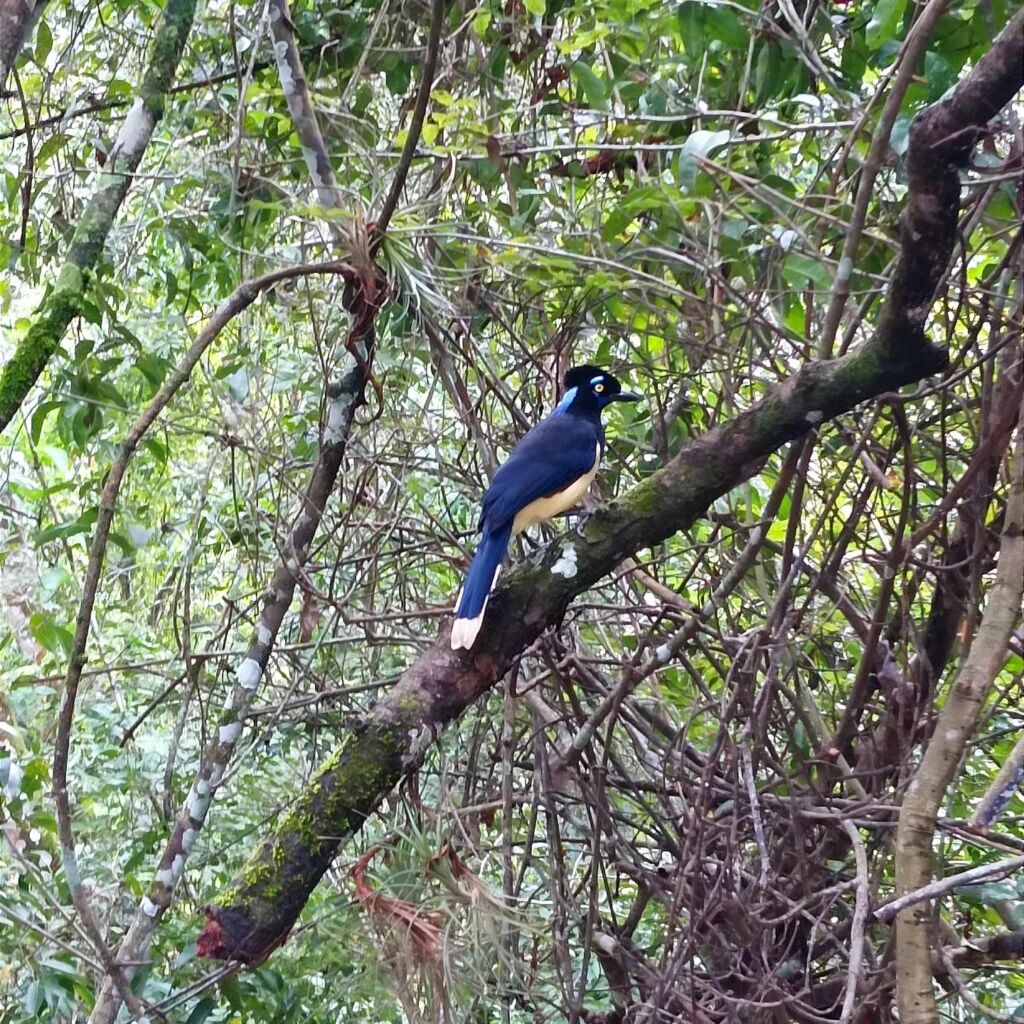
- Birds like the • Toco toucan • Red-breasted toucan and • Great dusky swift (these swifts actually nest behind waterfalls)
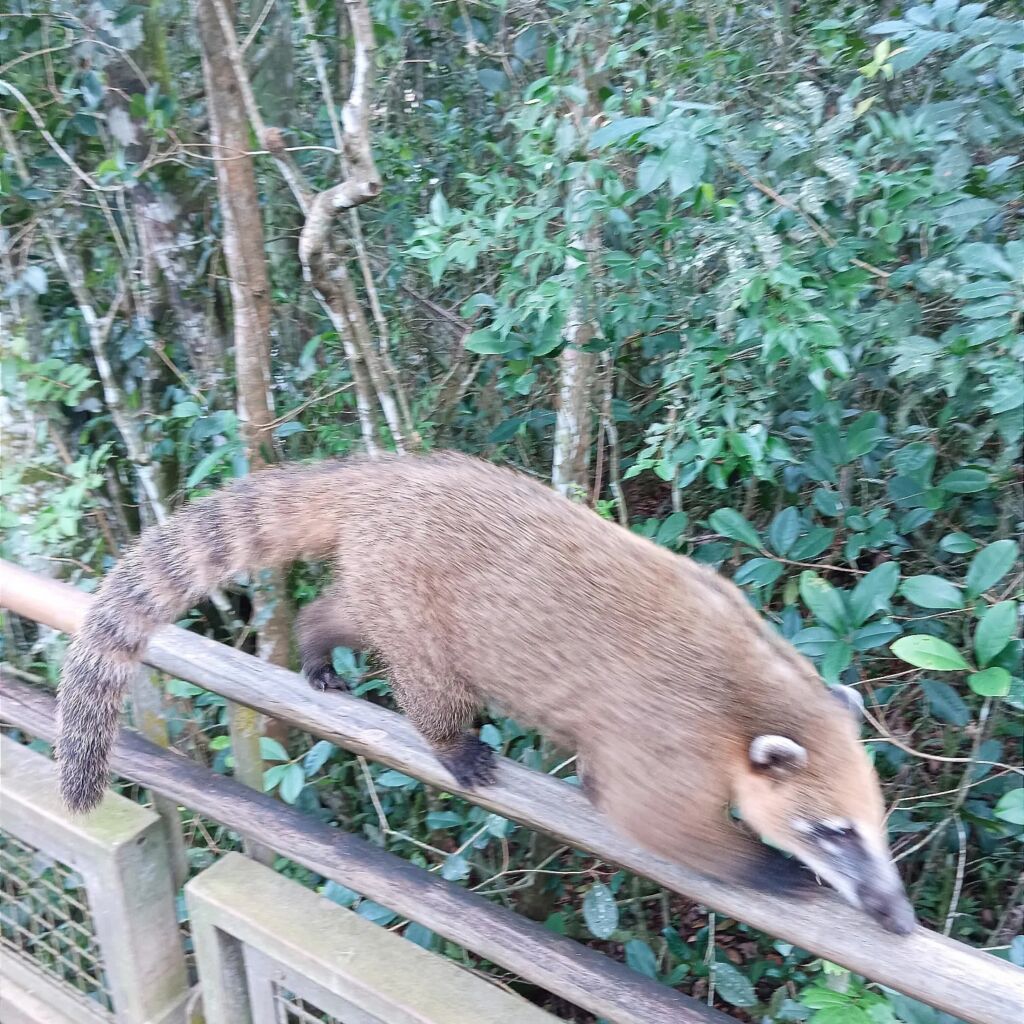
- Reptiles and mammals like the • Broad-snouted caiman • Argentine black and white tegu and the • South American coati (this one is the unofficial mascot of Iguazu. It is curious, bold, and always looking for unattended food)

Salta in Argentina: Gateway to the Andes
From the rainforest the journey turns west toward the Andes. The landscape dries. The sky grows enormous. Soon the road arrives in Salta, a colonial city surrounded by mountains. Salta is one of Argentina’s most charming cities. Pastel churches. Shaded plazas. Slow afternoons where locals gather for coffee and conversation. It’s the perfect gateway to explore the dramatic landscapes of northwest Argentina.
Cachi: A Village in the High Andes
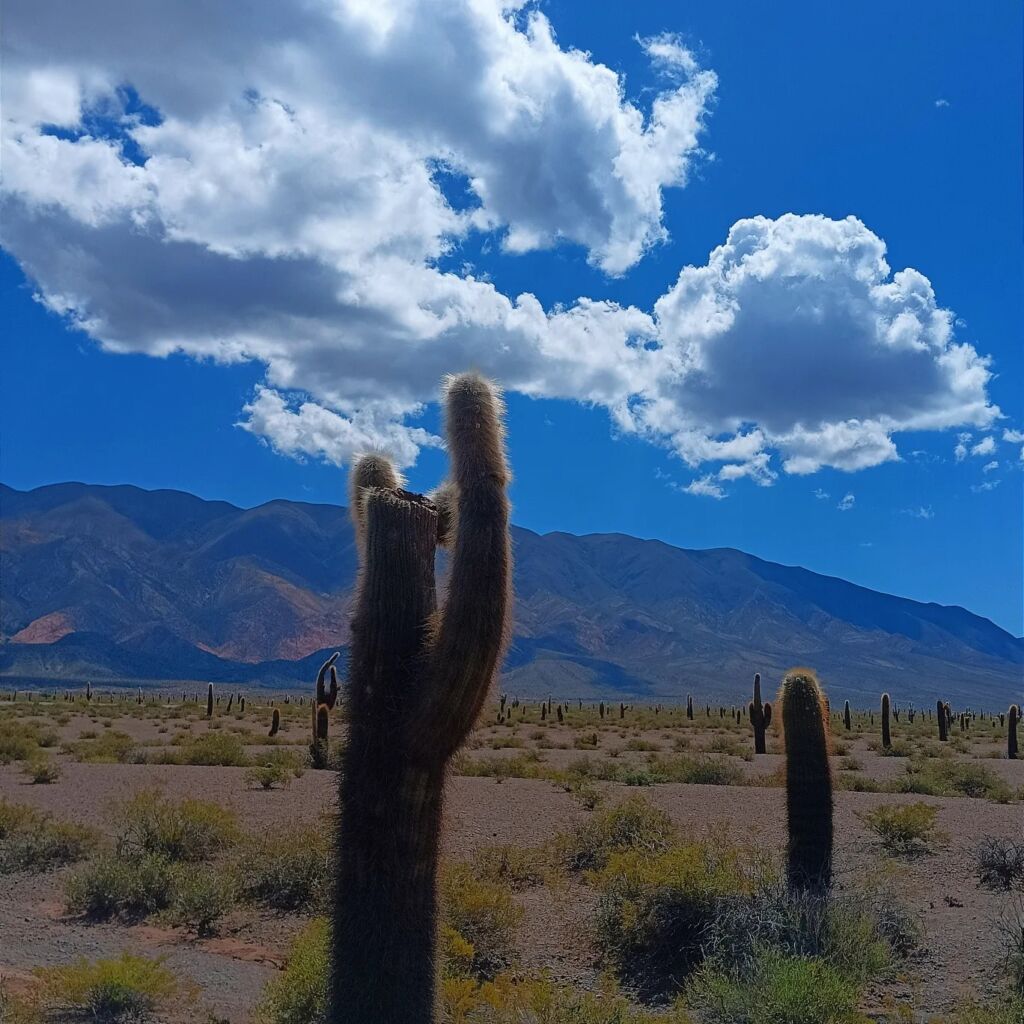
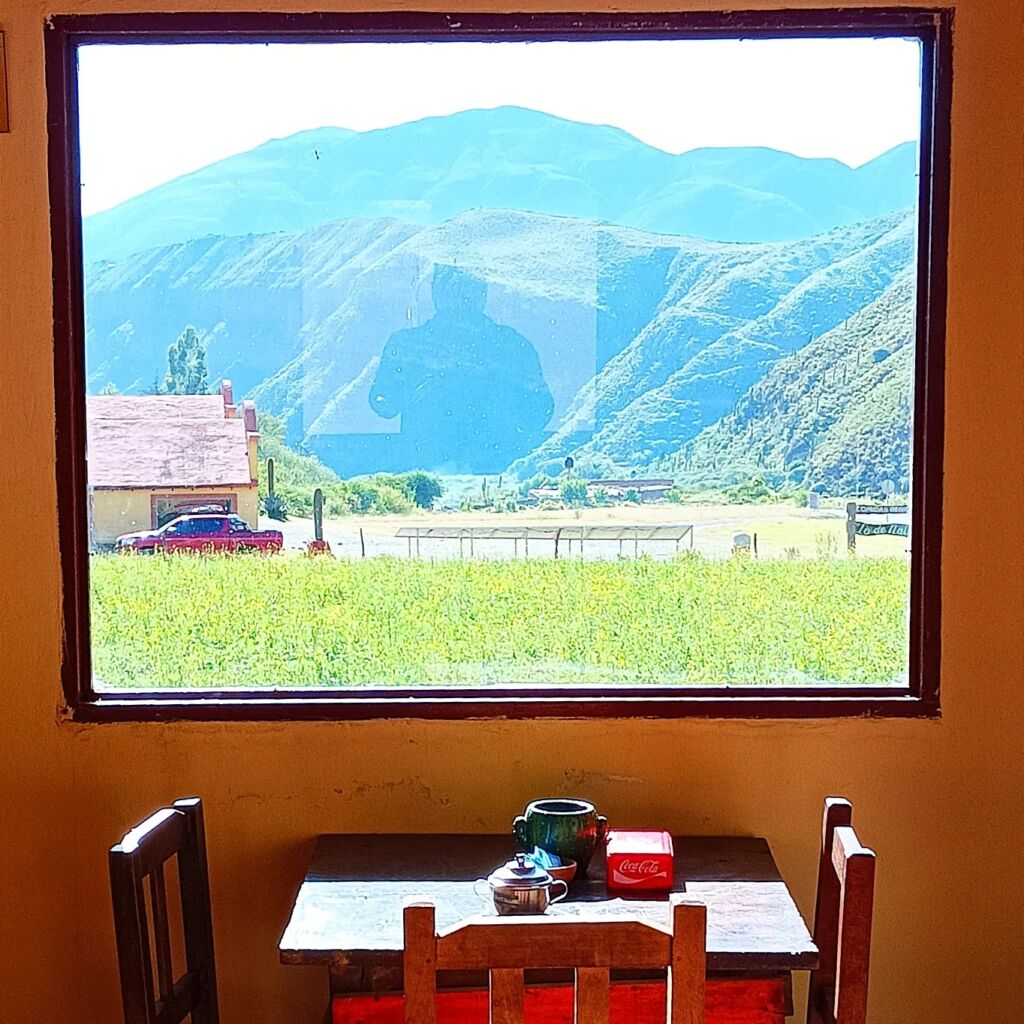
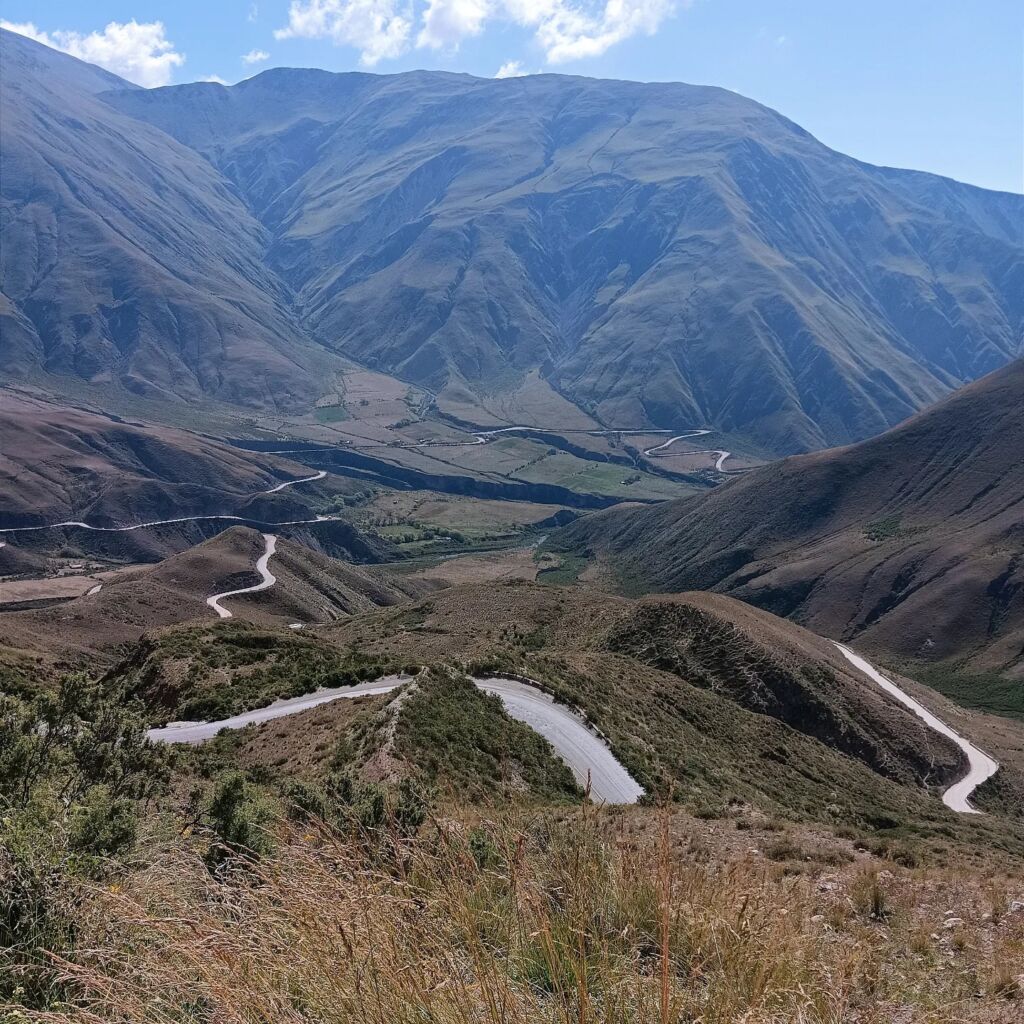
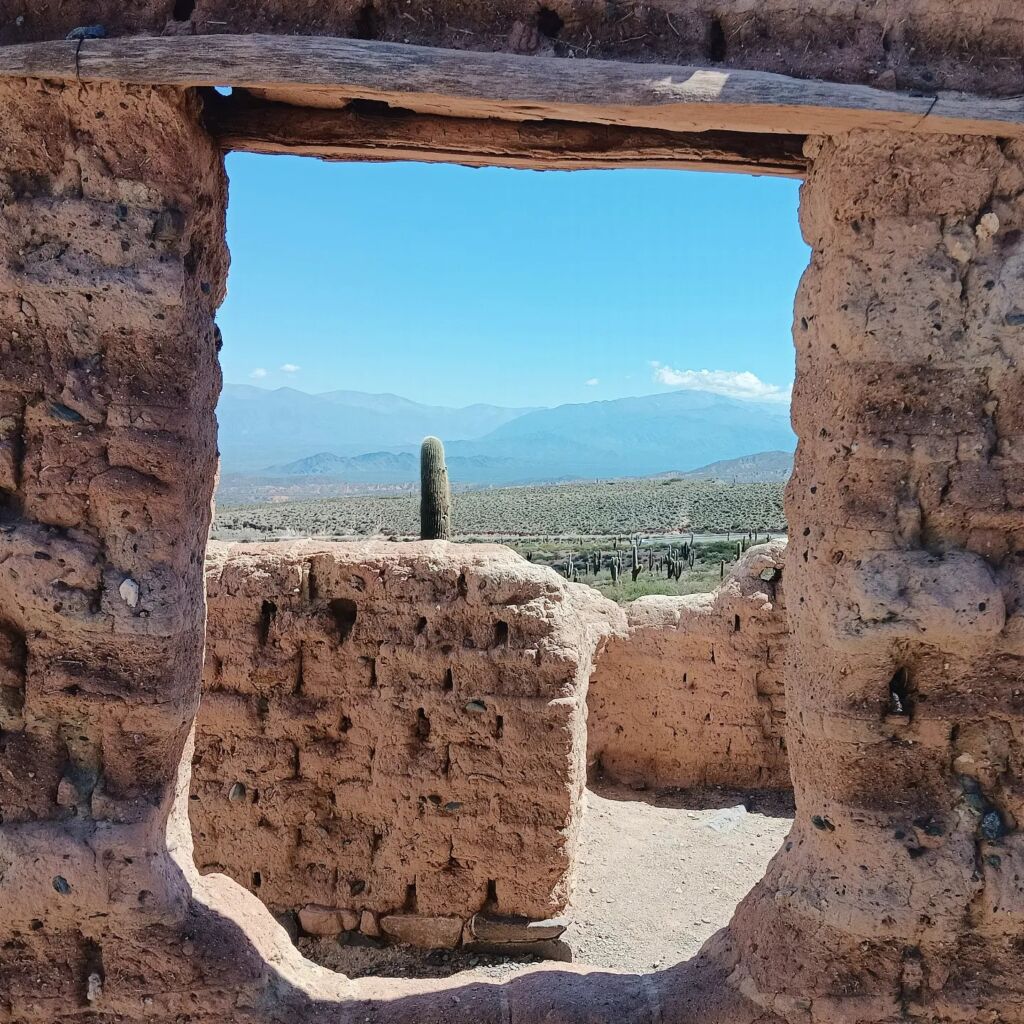
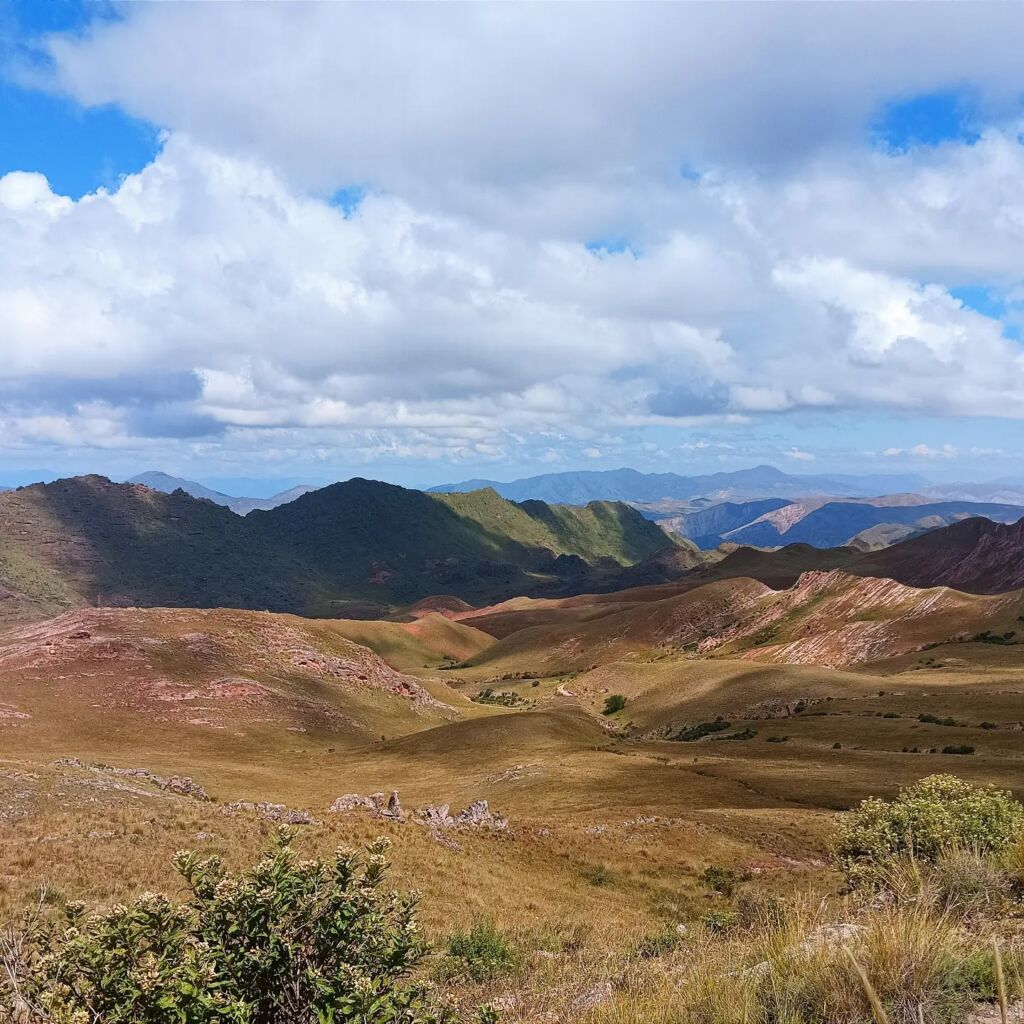
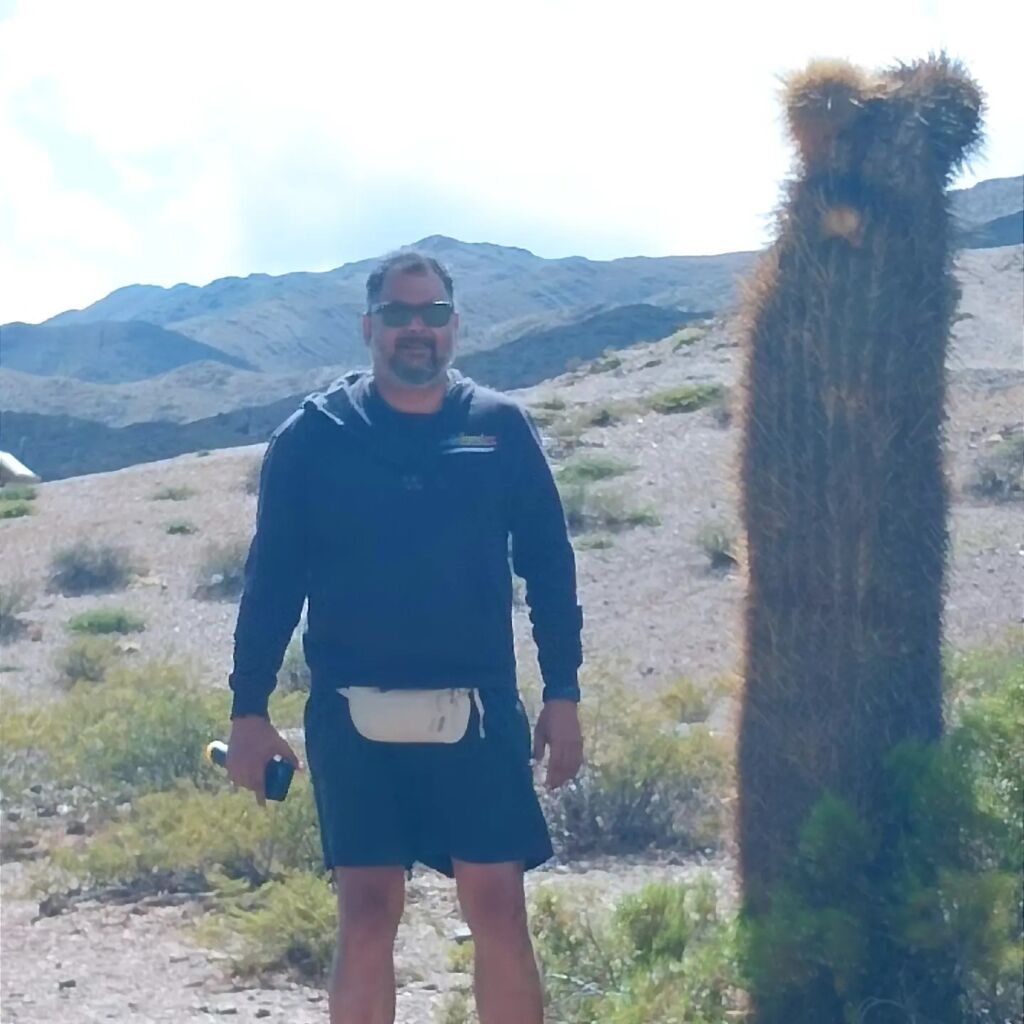
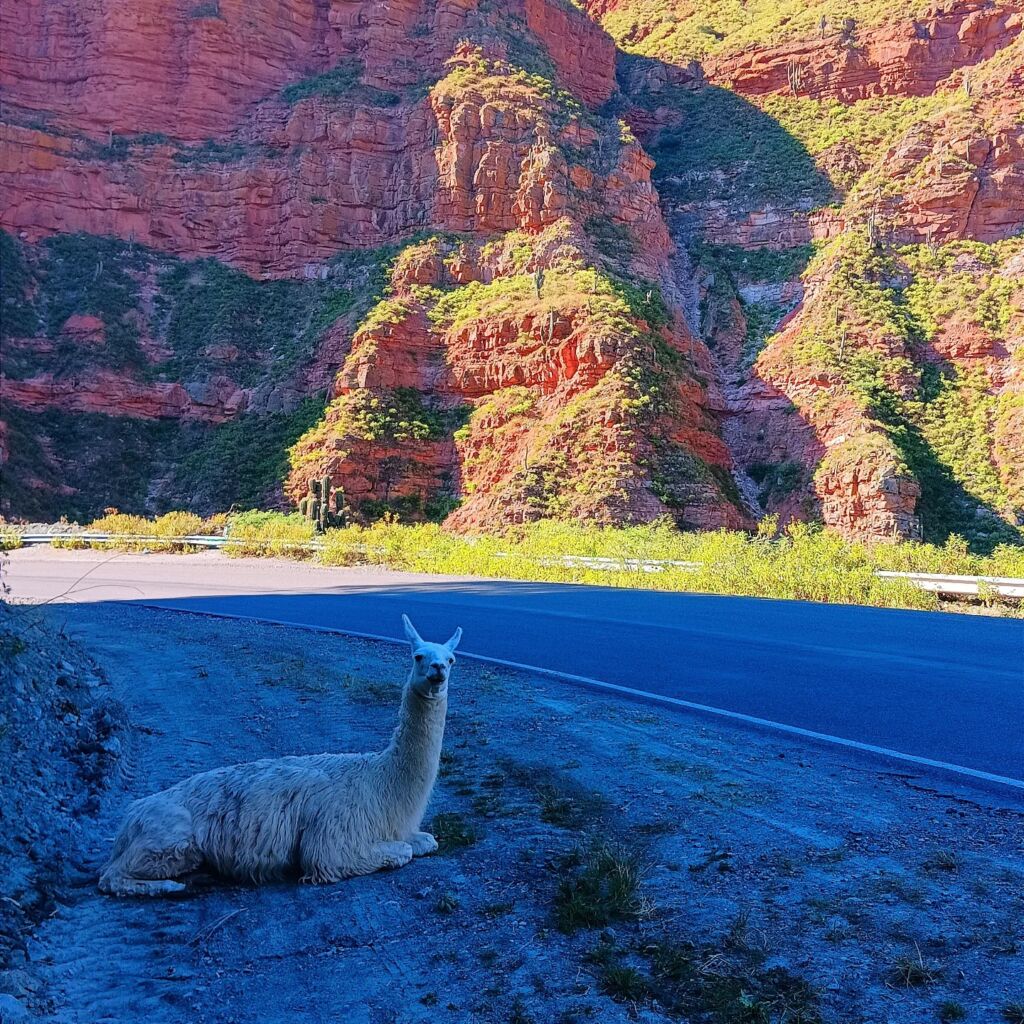
The road west from Salta climbs through the spectacular Calchaquí Valleys. Eventually it reaches the quiet mountain village of Cachi. White adobe houses. Cobblestone streets. And towering Andean peaks forming a dramatic backdrop. Cachi feels timeless. Like a place that quietly ignores the modern world.
Cafayate: Wine in the Argentina Desert
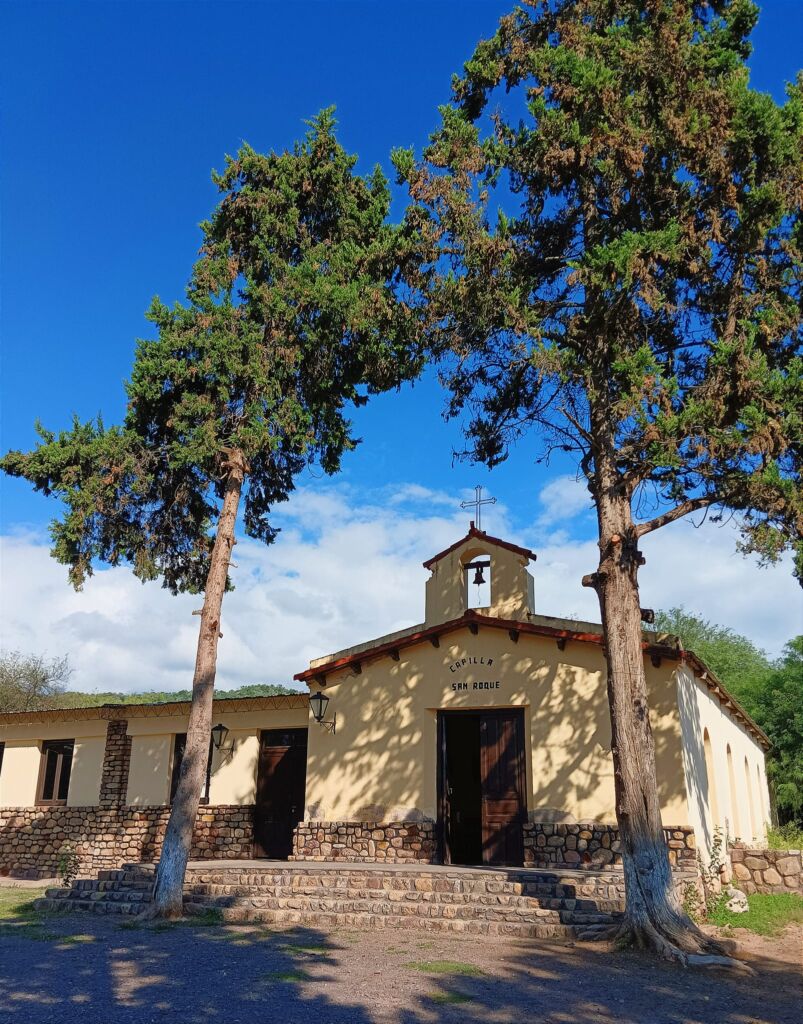
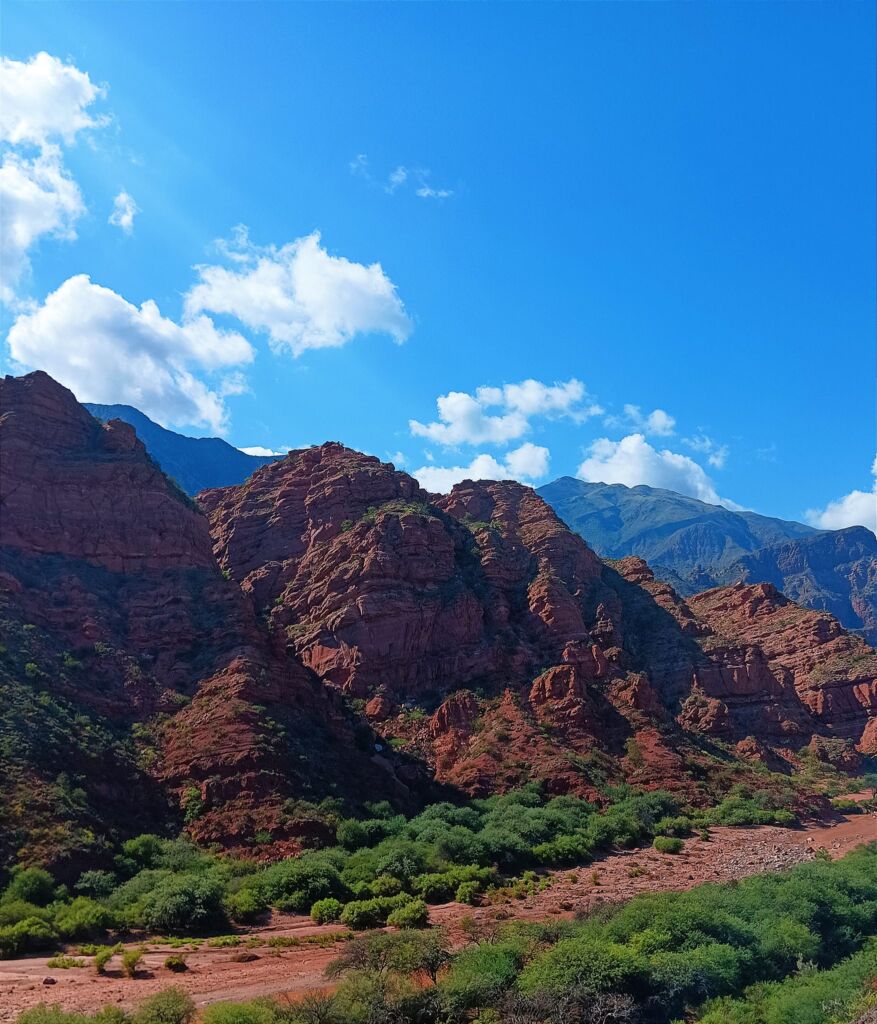
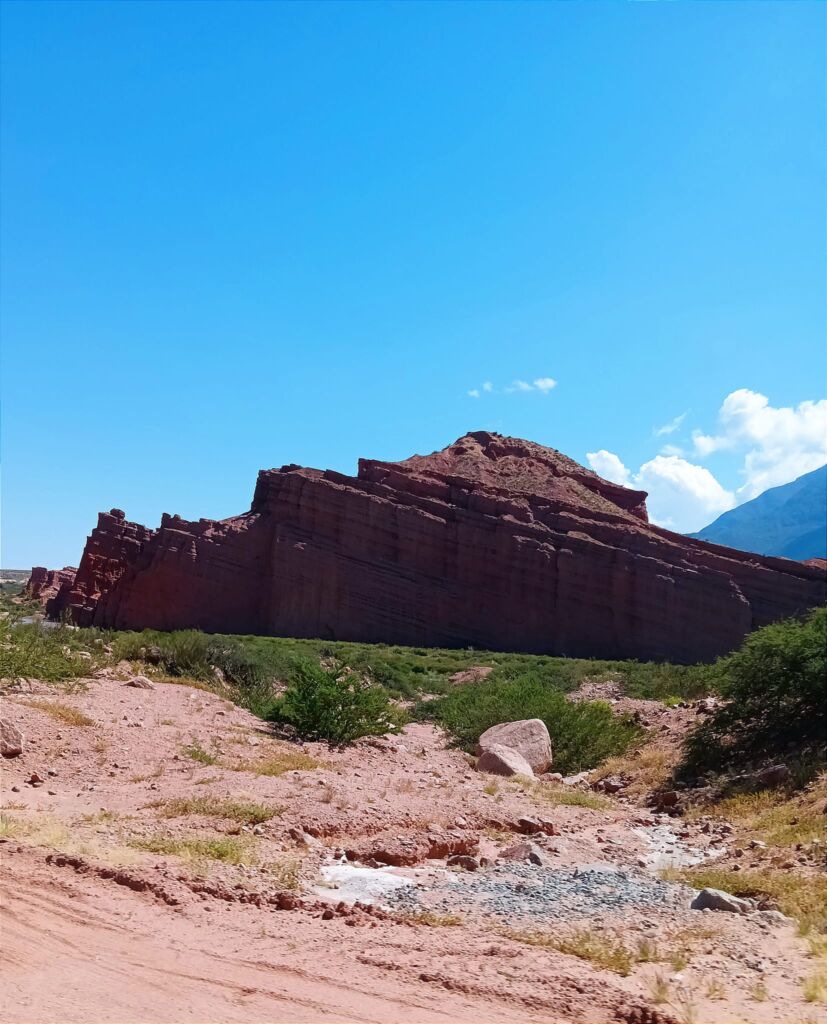
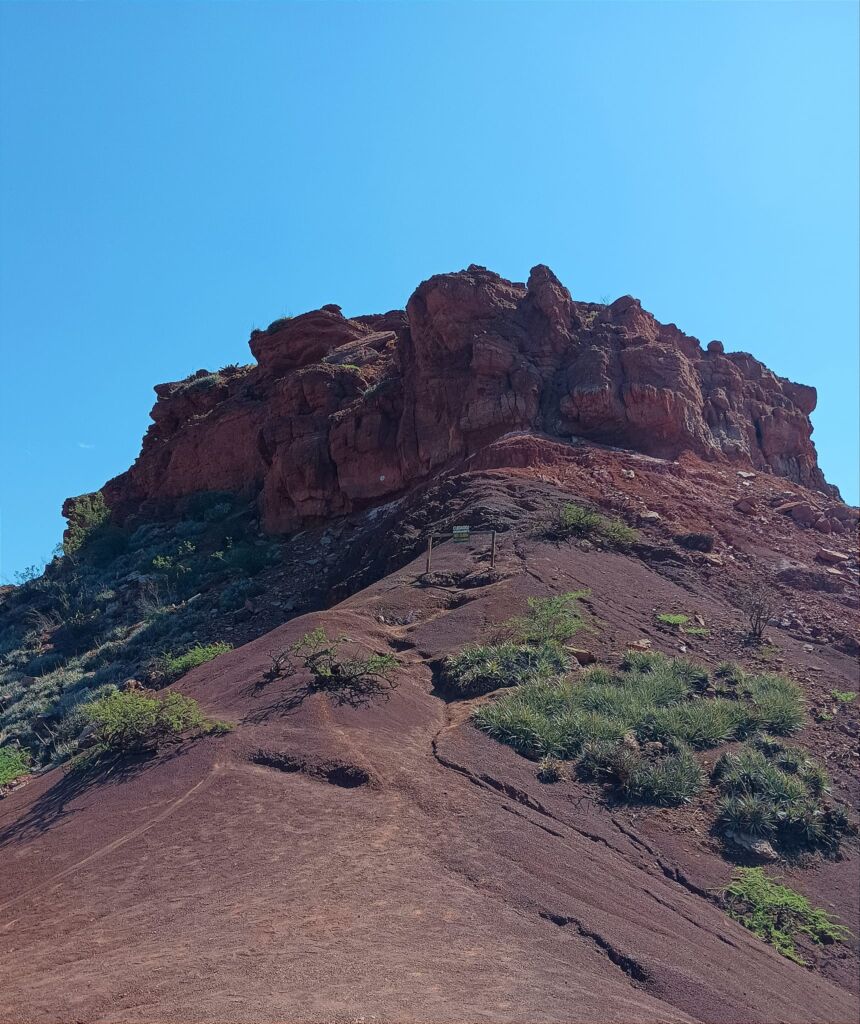
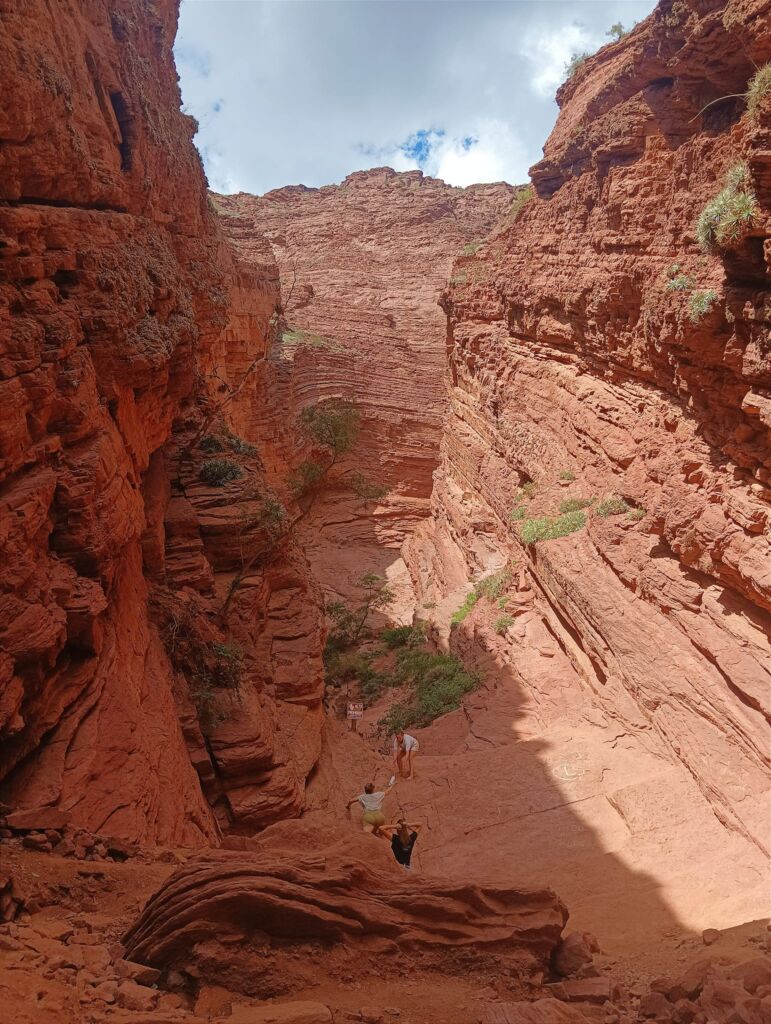
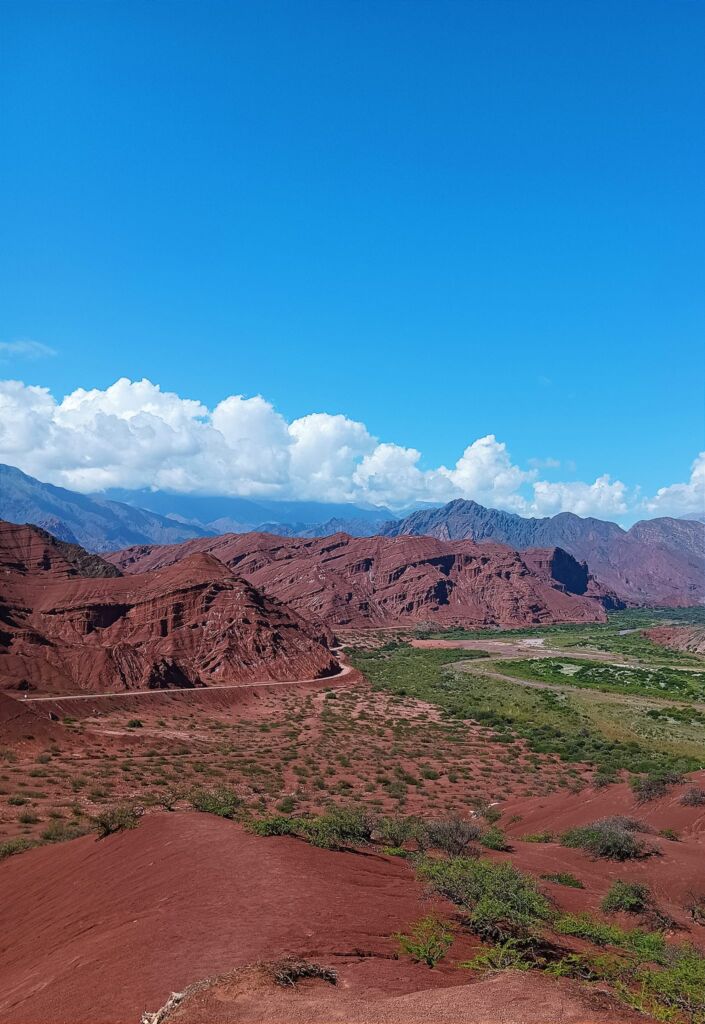
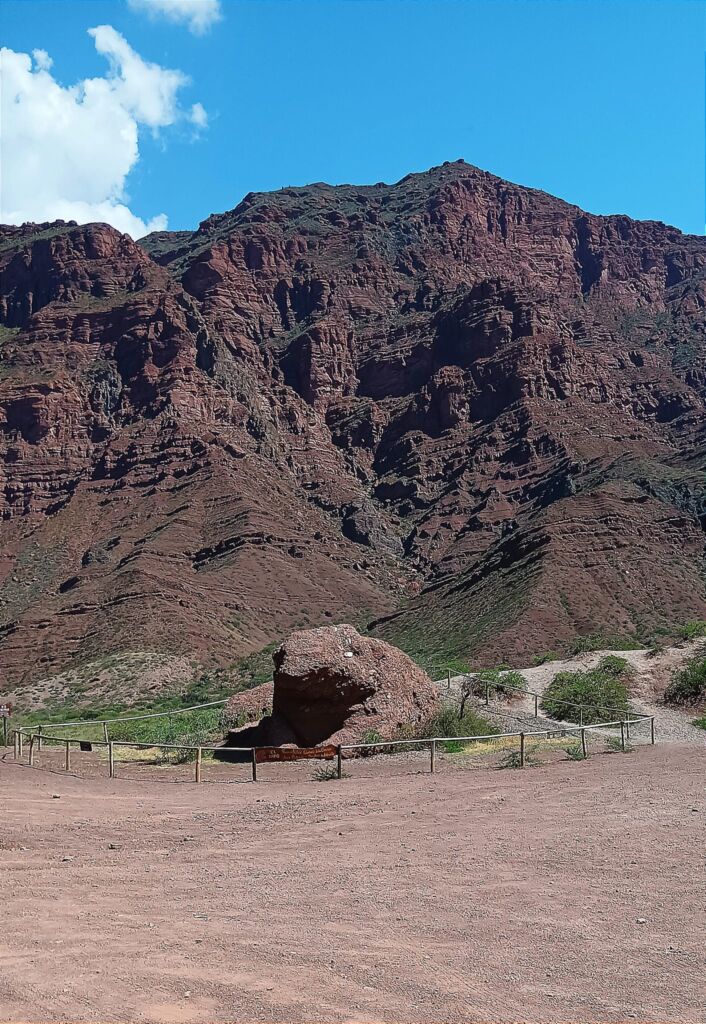
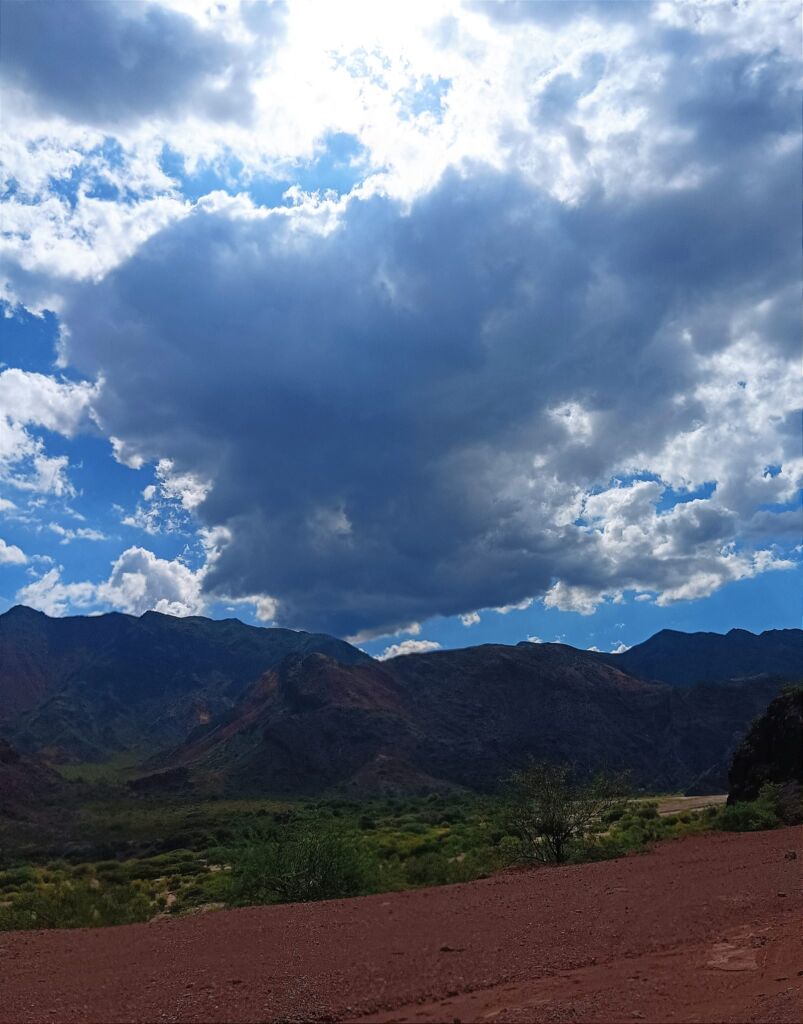
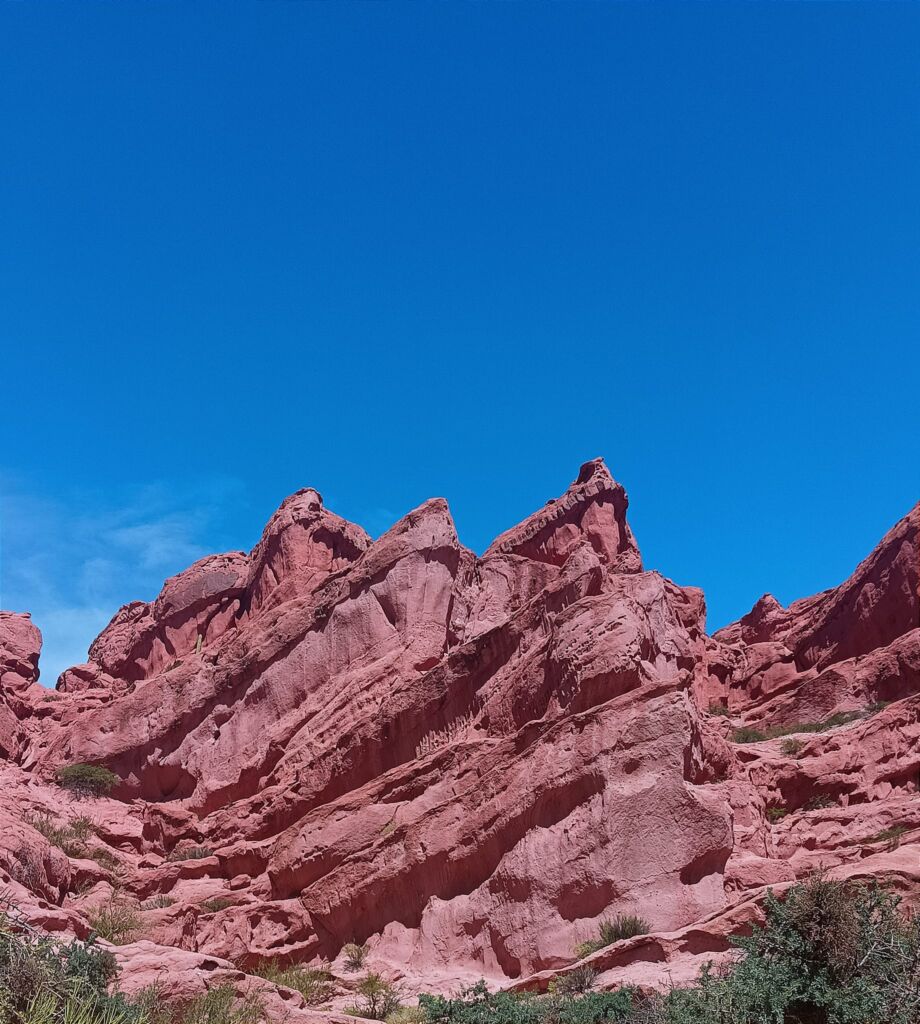
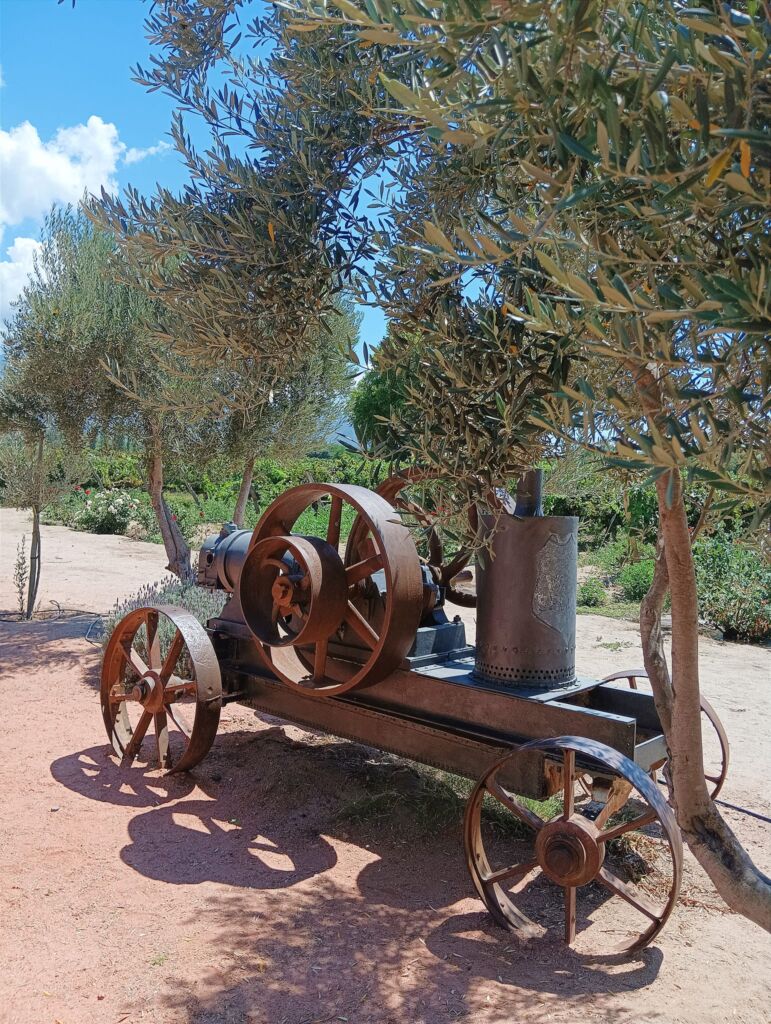
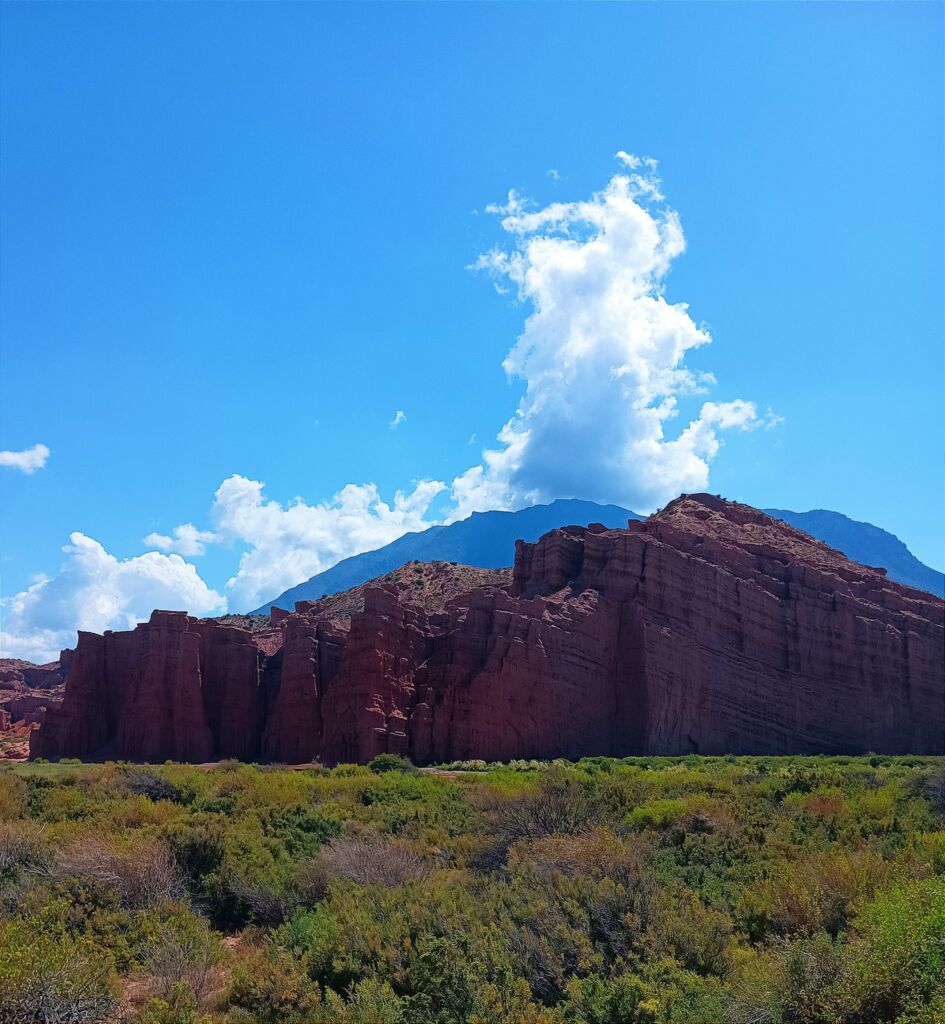
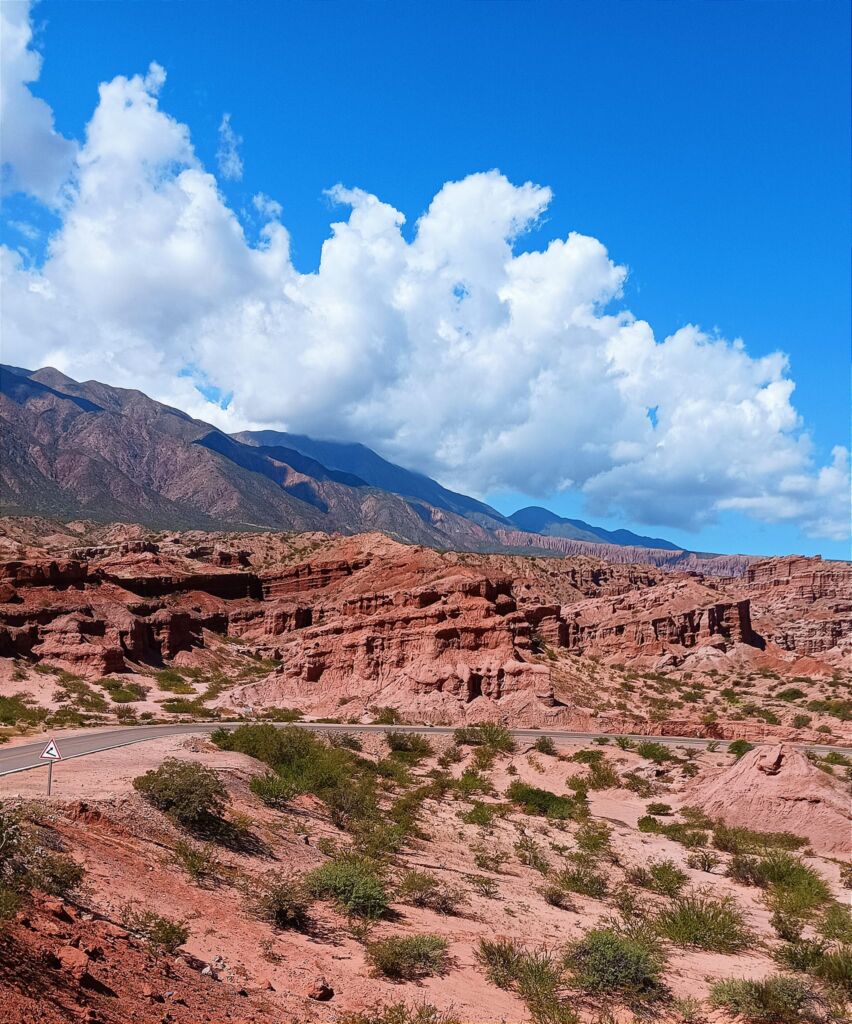
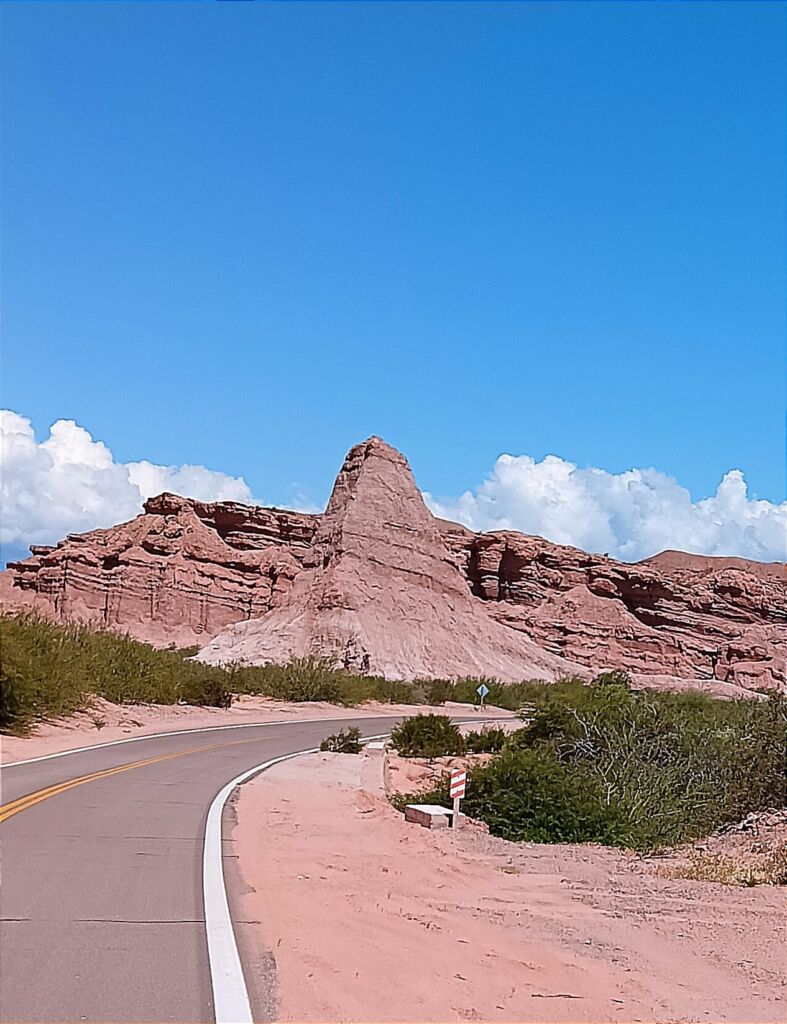
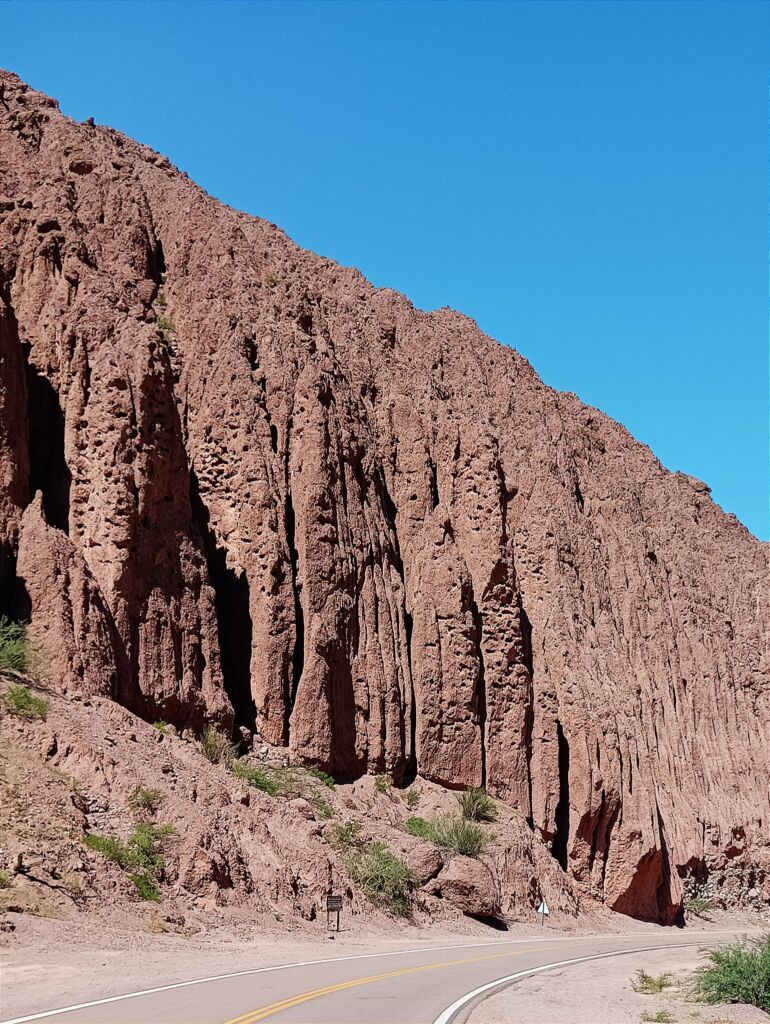
Further south lies Cafayate, one of Argentina’s most beautiful wine regions. Unlike the famous vineyards of Mendoza, Cafayate sits inside a desert valley surrounded by dramatic rock formations. The altitude and dry climate create perfect conditions for Torrontes, Argentina’s signature white wine. The result is a crisp, aromatic wine unlike anything else in the world.
Mountains Painted by Time
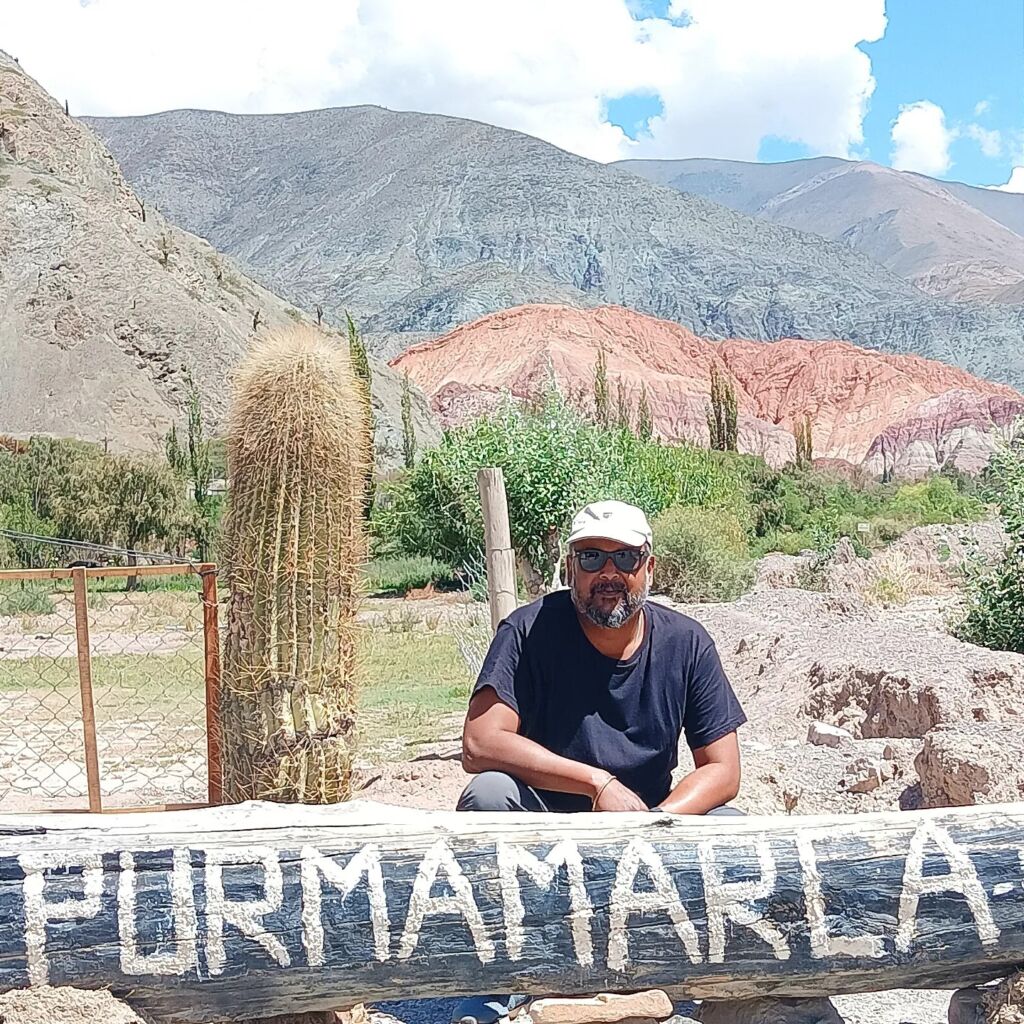
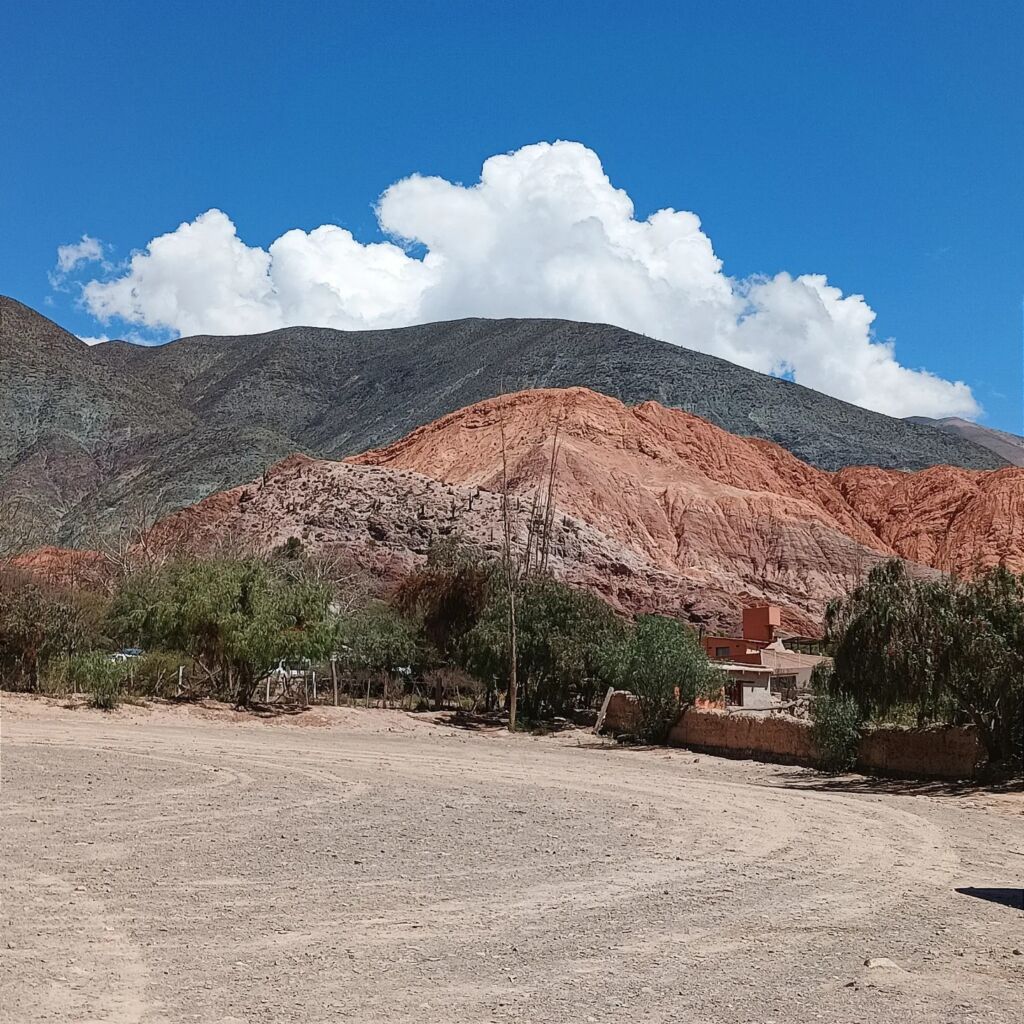
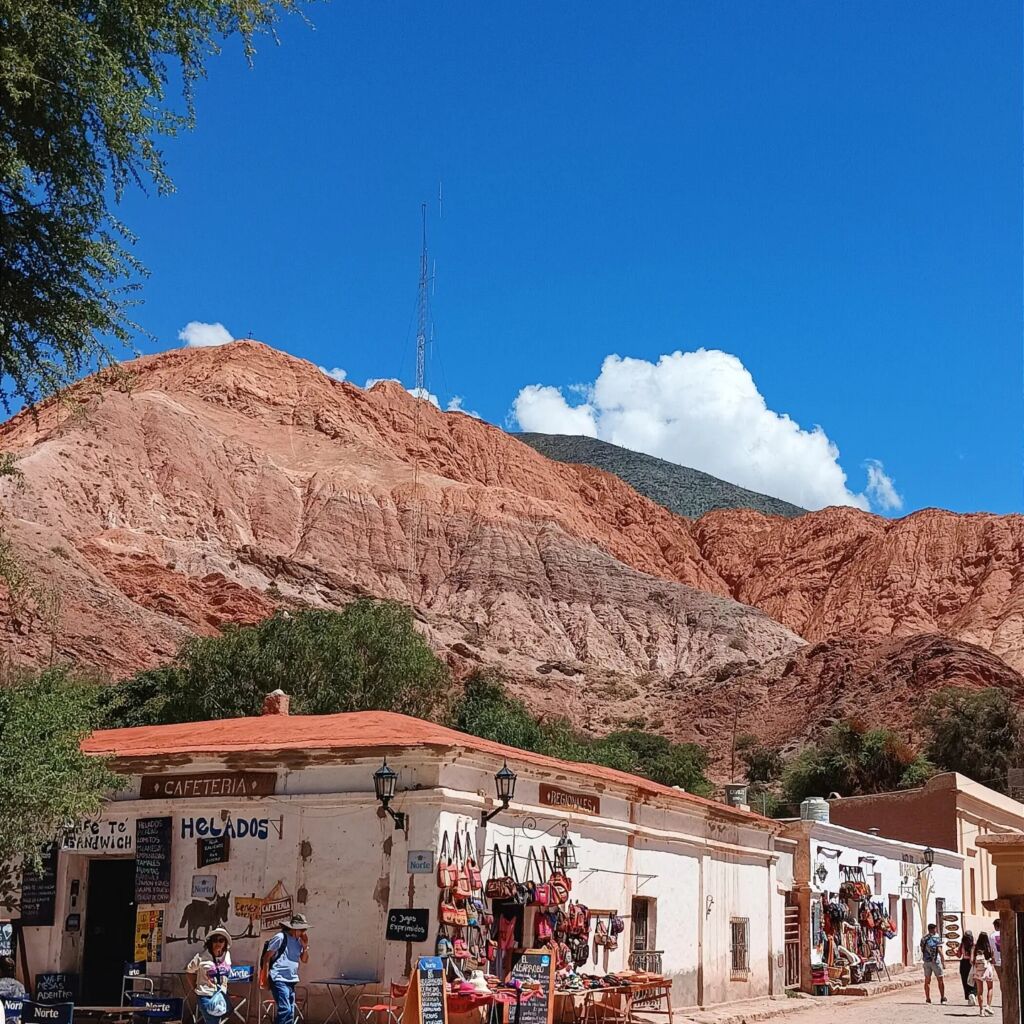
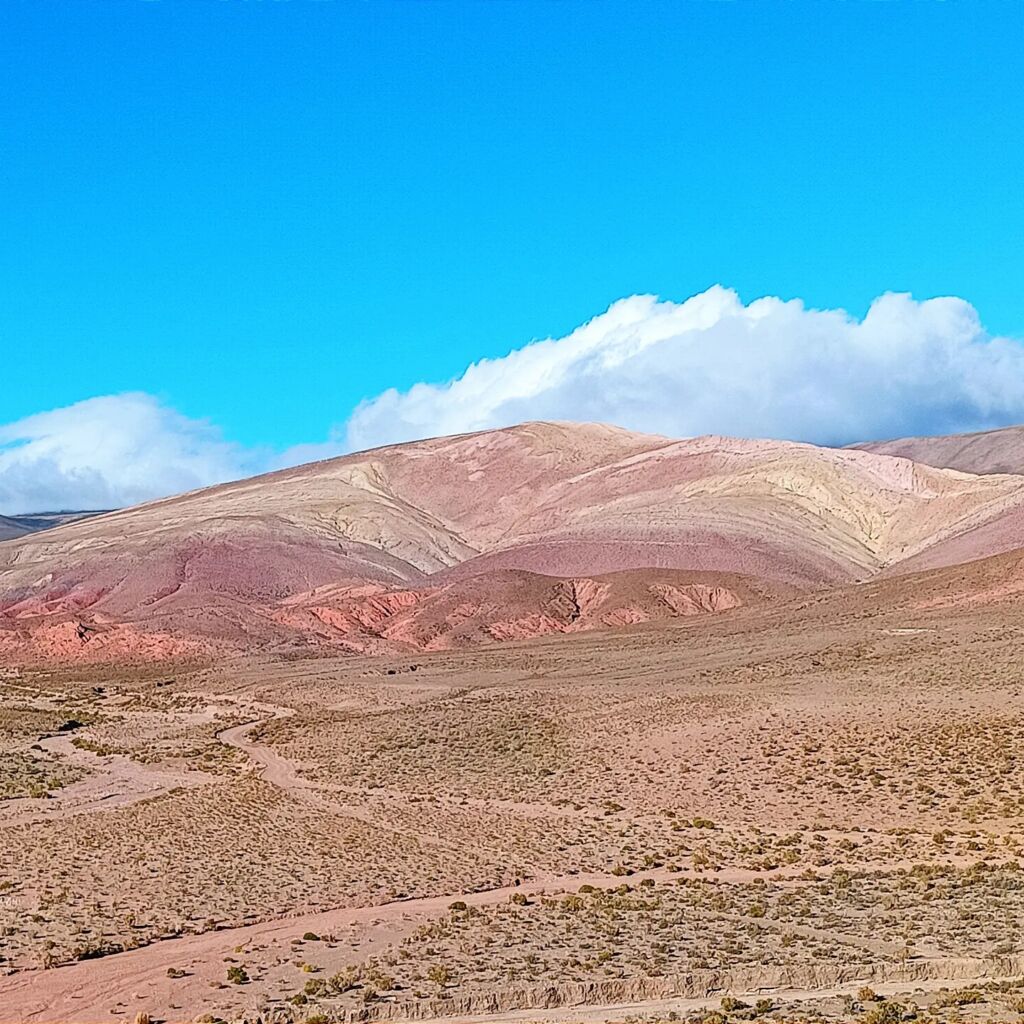
Near the village of Purmamarca stands one of Argentina’s most surreal landscapes: Cerro de los Siete Colores or The Mountain of Seven Colors.
Its rainbow bands are the result of three major geological events:
- Ancient marine sediments formed when this region was underwater.
- Tectonic forces lifted and folded those sediments during the formation of the Andes.
- Wind and erosion slowly revealed the colored mineral layers.
The colors come from different minerals: red — iron oxide, yellow — sulfur, green — copper oxides, white — limestone, pink — clay… What looks like paint is actually millions of years of geological chemistry.
Coca Leaves: The Andes’ Natural Energy
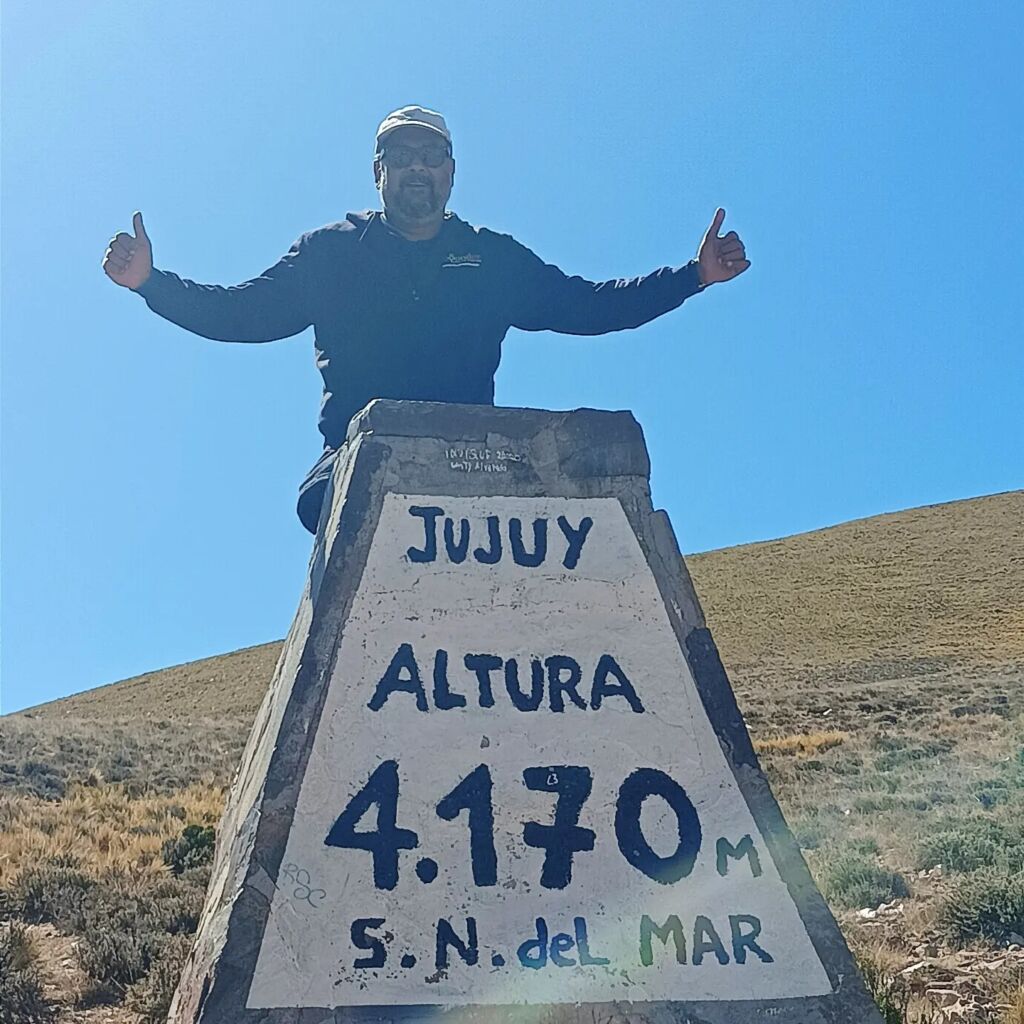
Let me mention one important fact here… Though it may not have relevance in the general flow of this story (or maybe it has lots of relevance…). At high altitude locals often chew leaves from the Coca plant. The tradition goes back thousands of years. Coca helps combat altitude sickness, fatigue, and hunger. For Andean miners and farmers, coca leaves have long been a natural survival tool. And so it was, for me… 😉
The Salt Desert: Salinas Grandes
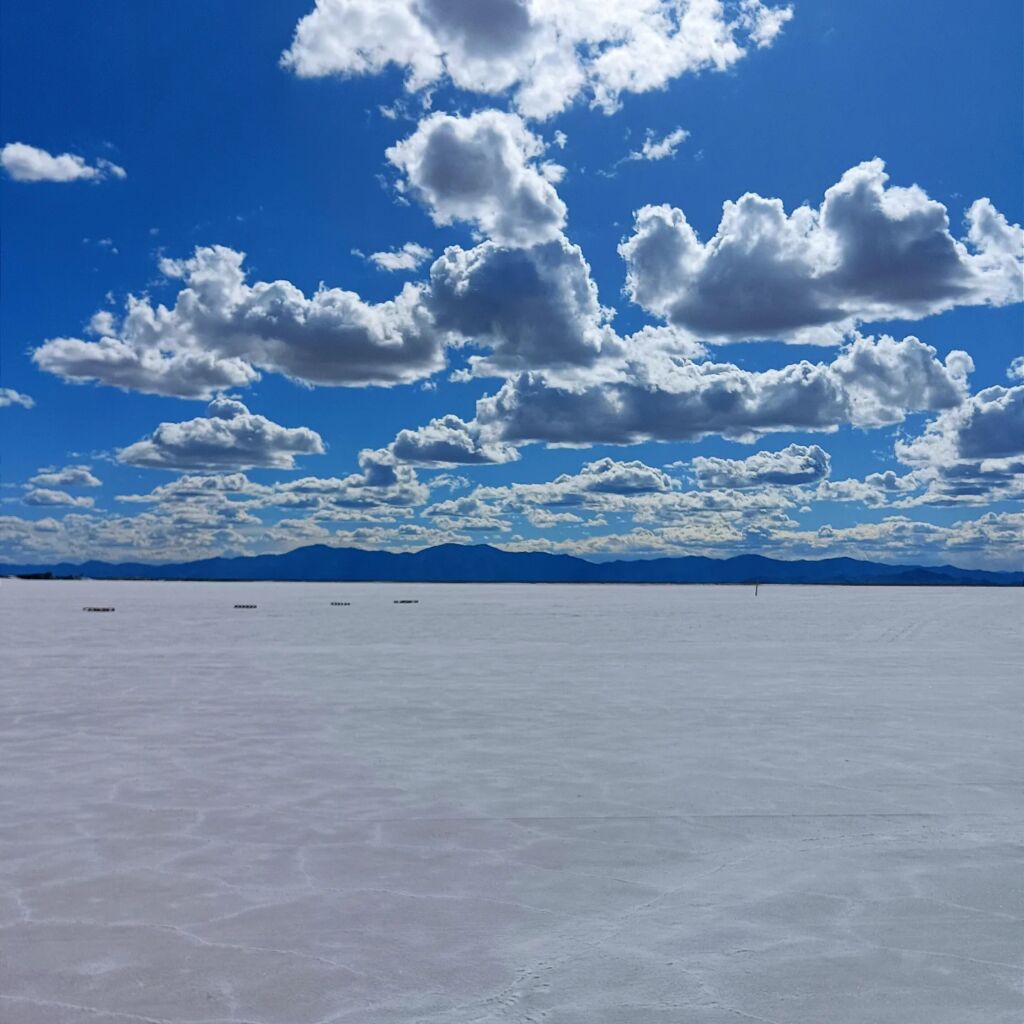
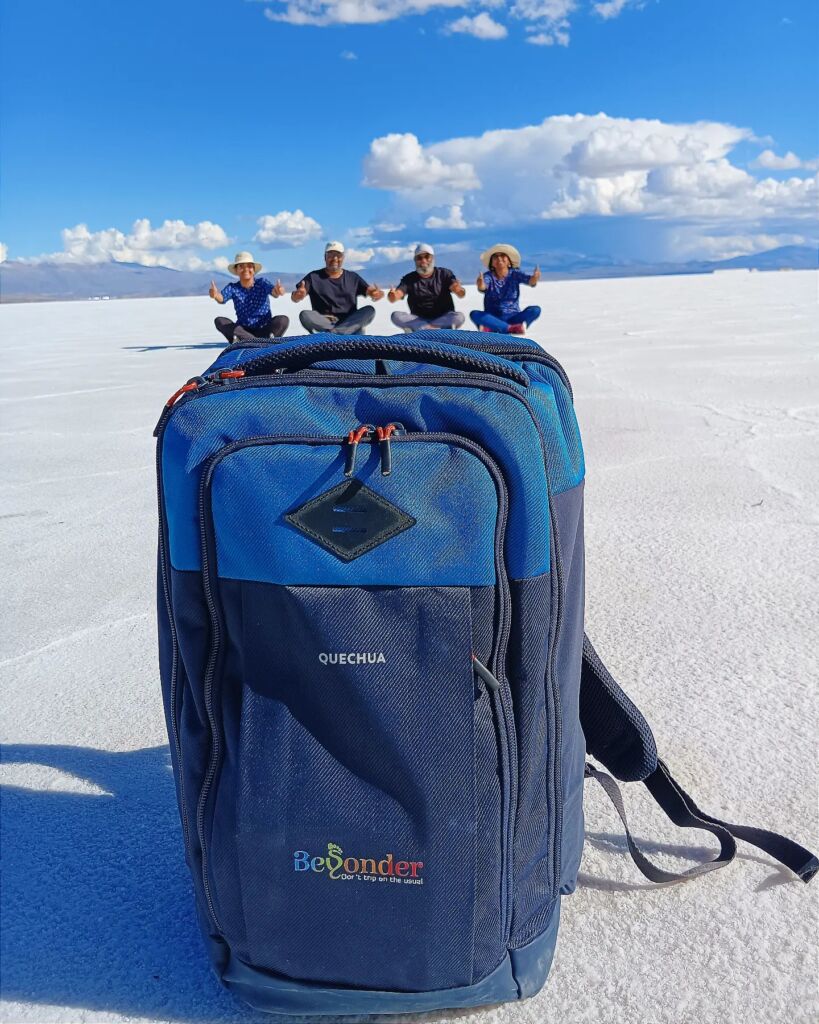
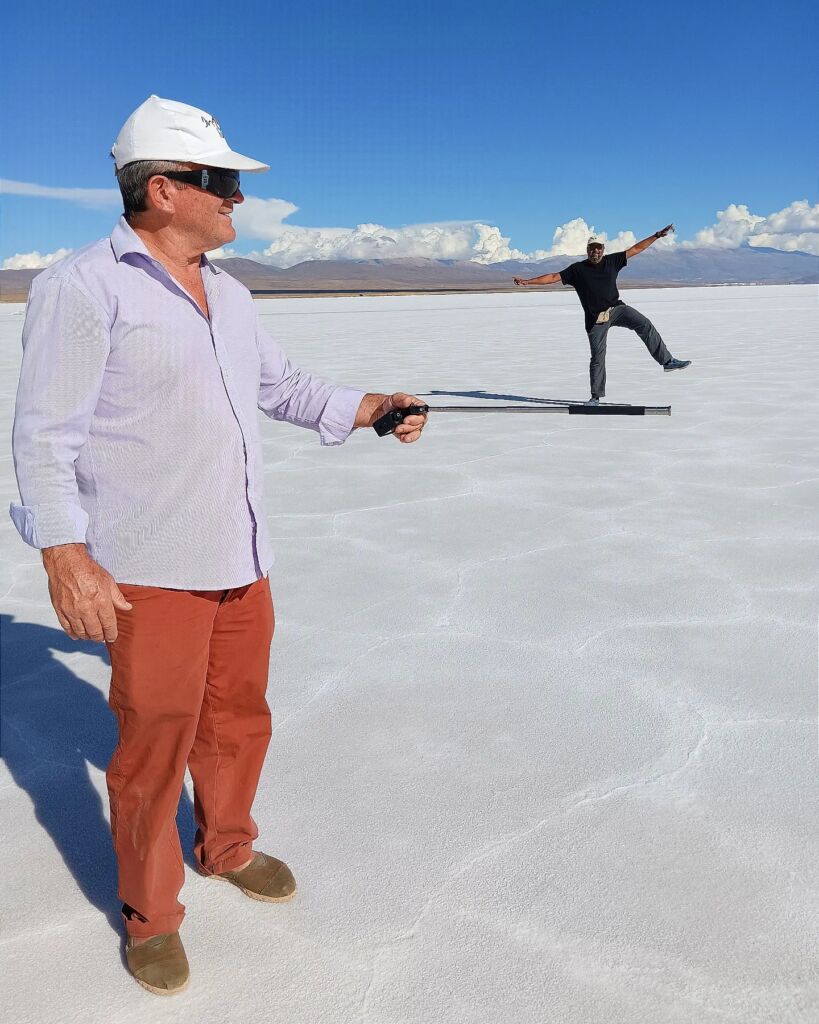
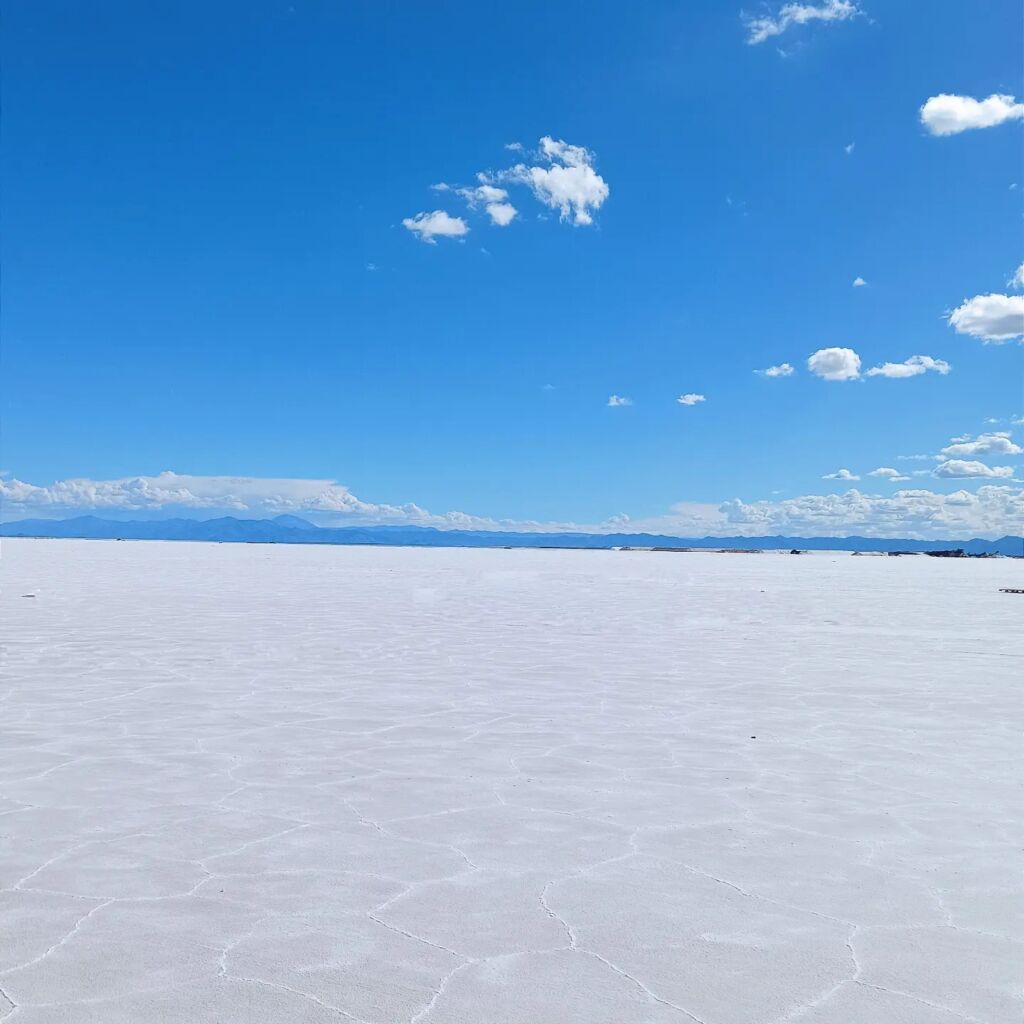
Eventually the mountains open into a dazzling white landscape… The Salinas Grandes. The salt flats formed when ancient lakes evaporated, leaving mineral deposits behind. Over thousands of years these deposits formed thick salt crusts. Underneath lies mineral-rich brine that continues feeding the surface. Some areas contain salt layers more than 10 meters thick. And at all areas, photographs are brilliant because perspective is absent in that world of white ;-). How cool is that!
The Train to the Clouds
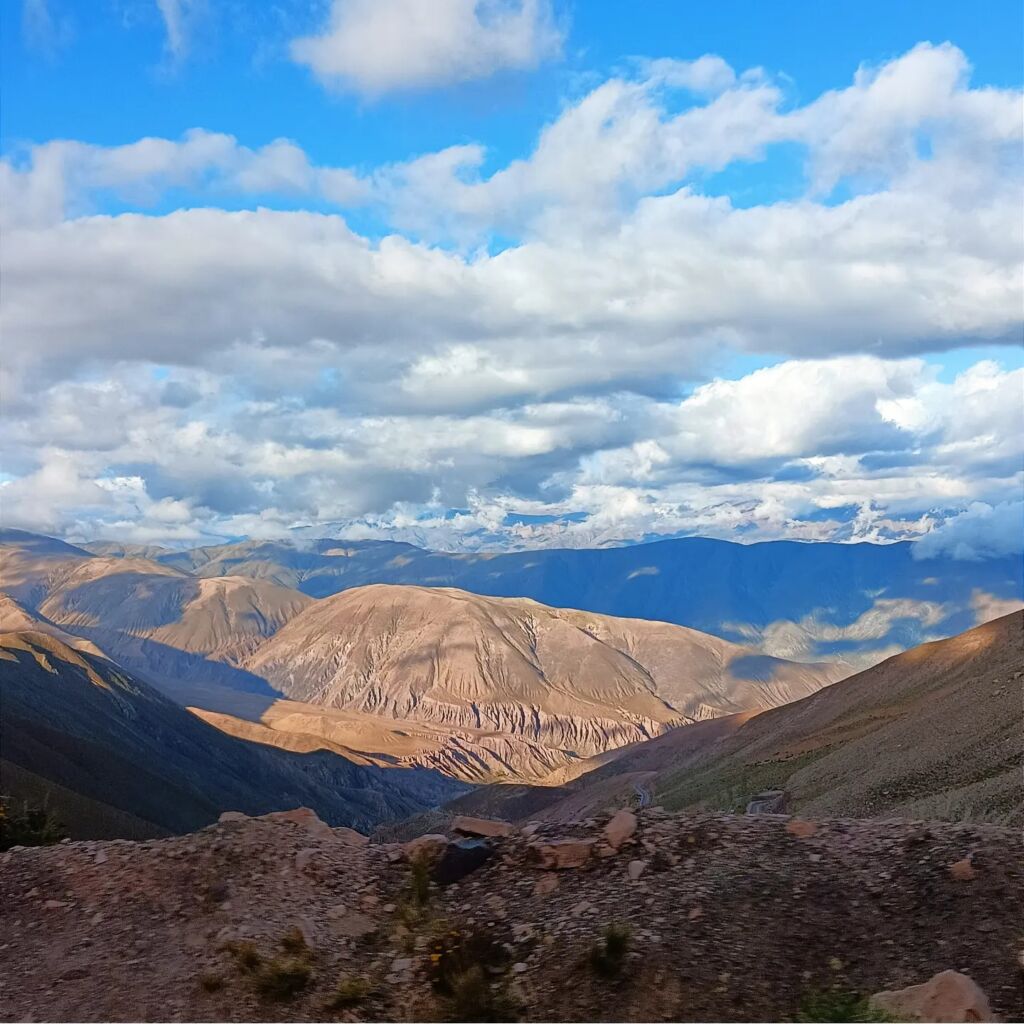
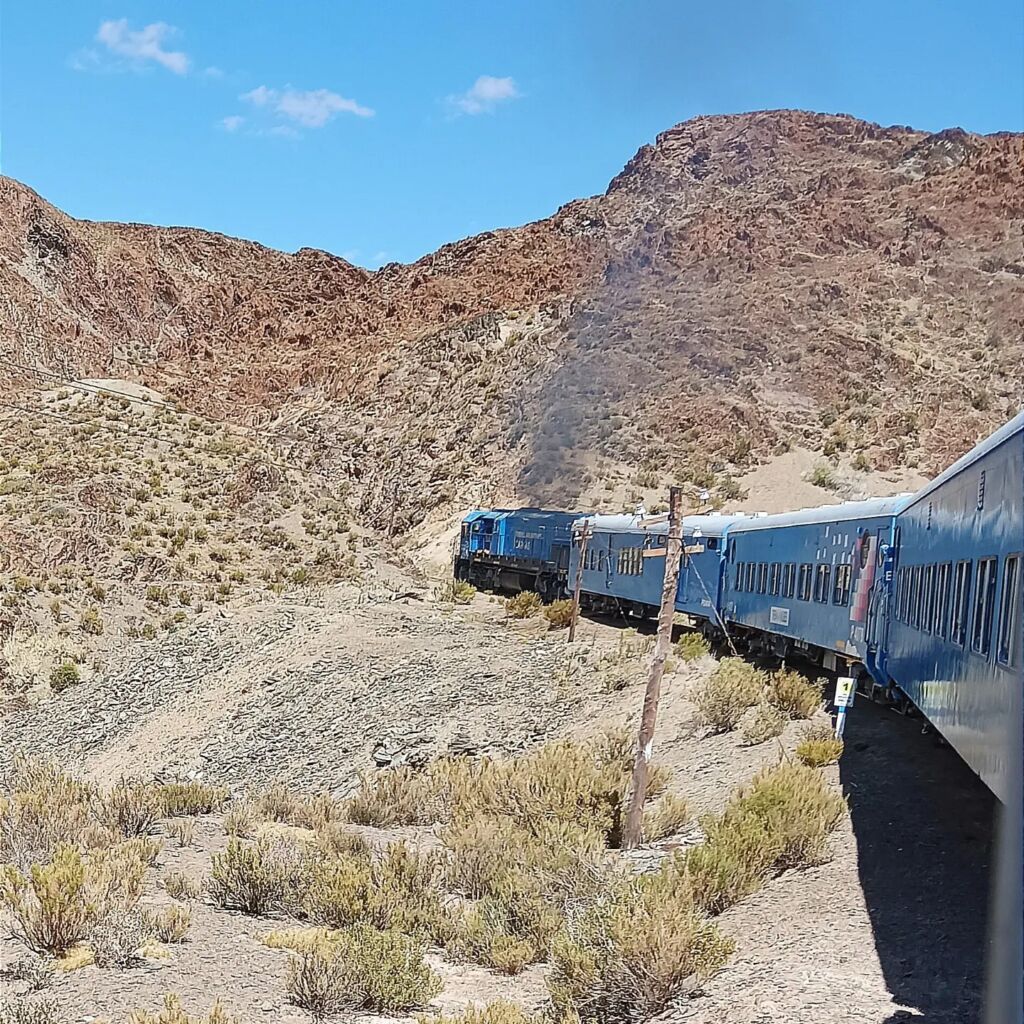
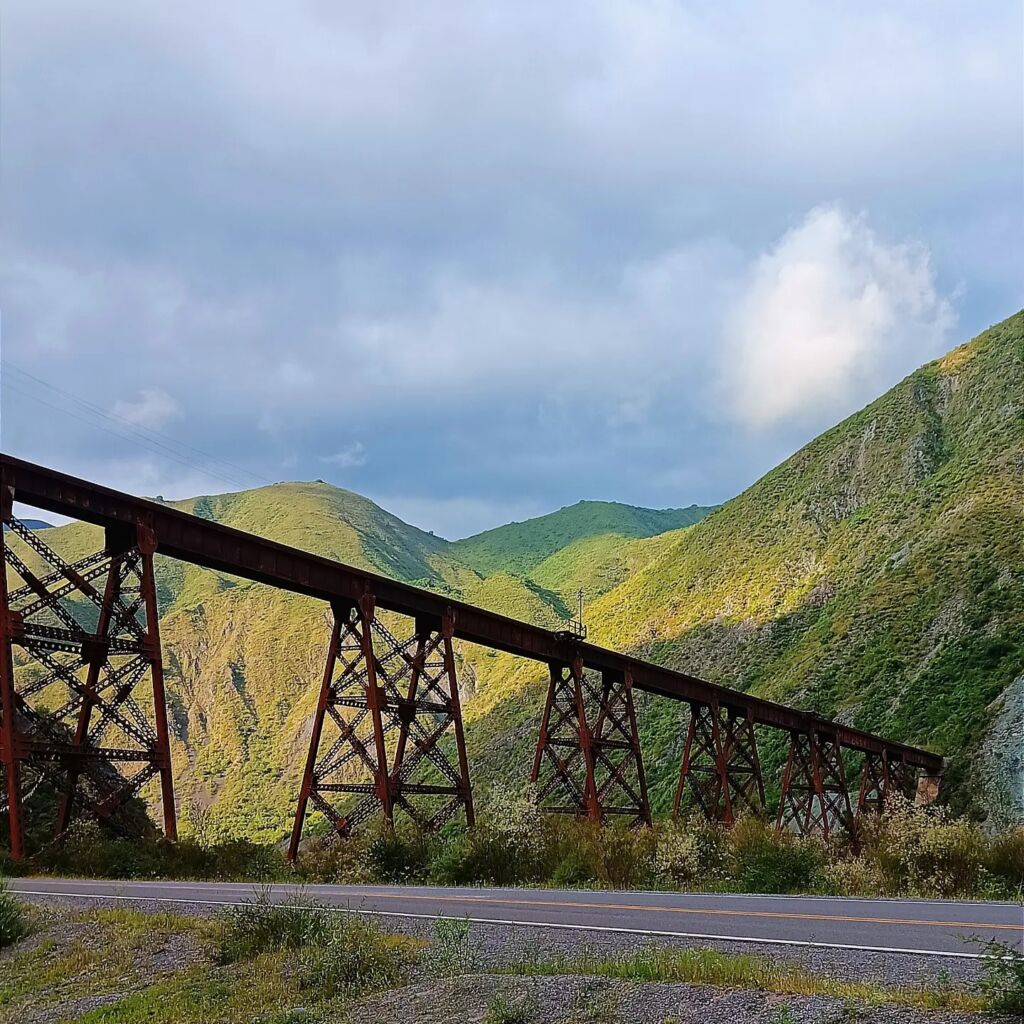
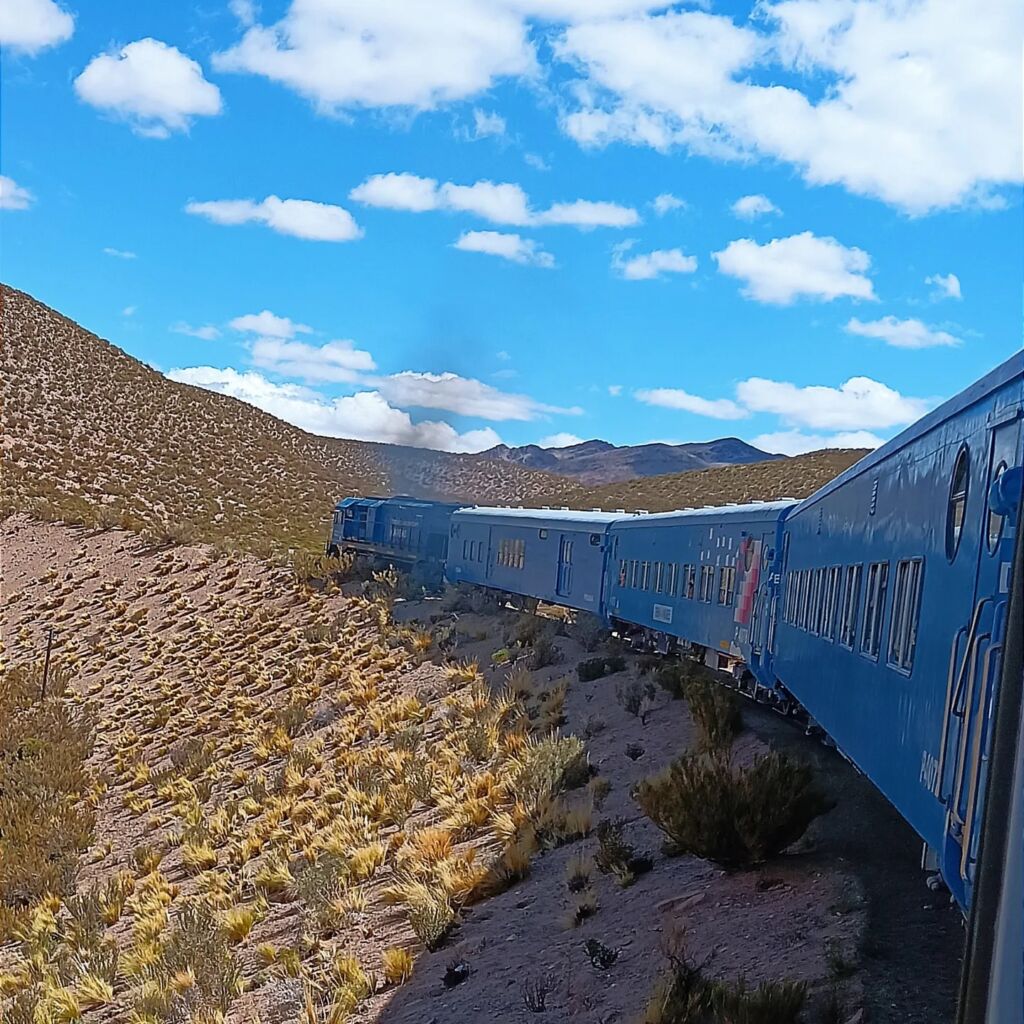
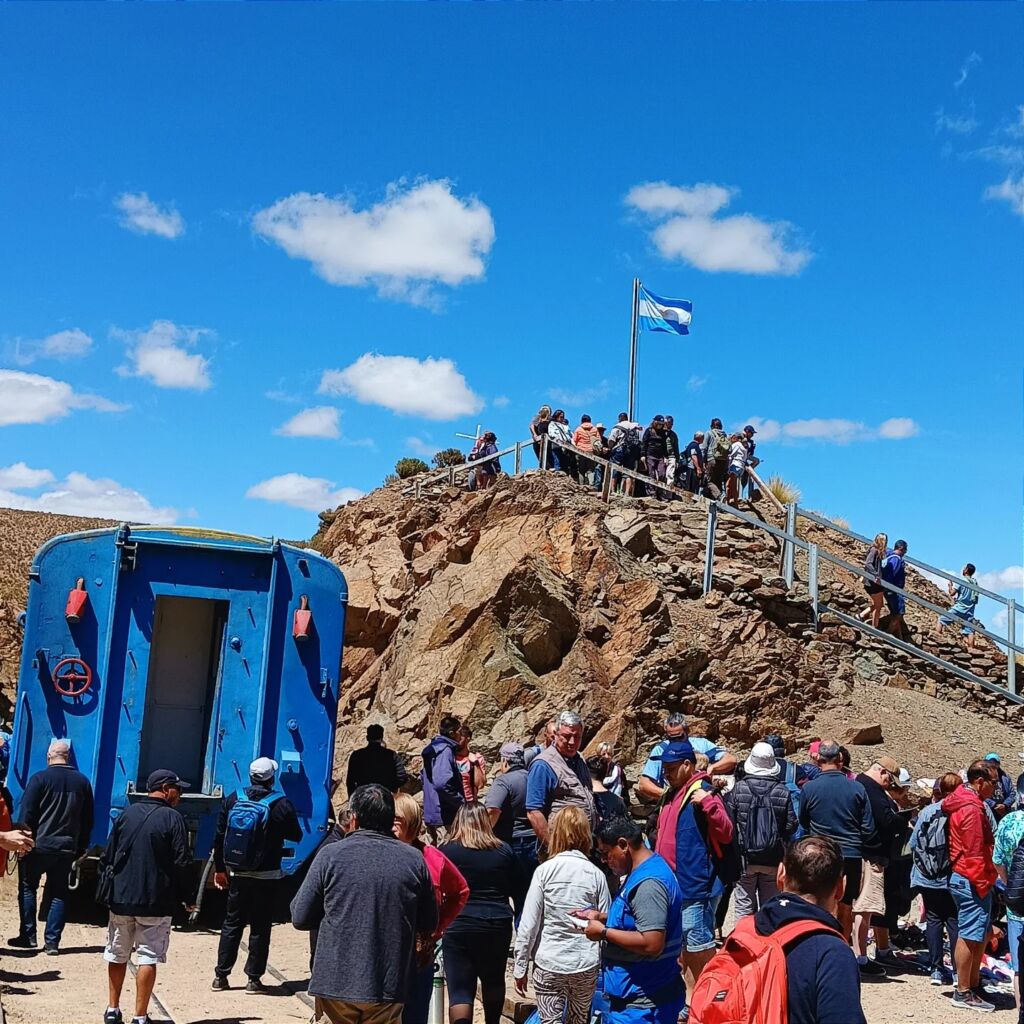
One of the most extraordinary rail journeys in the world is the Tren a las Nubes. The train climbs through the Andes to over 4,200 meters above sea level. The highlight is the spectacular La Polvorilla Viaduct, a steel bridge suspended high above a desert canyon. Standing there, surrounded by endless mountains, it feels like standing at the edge of the sky.
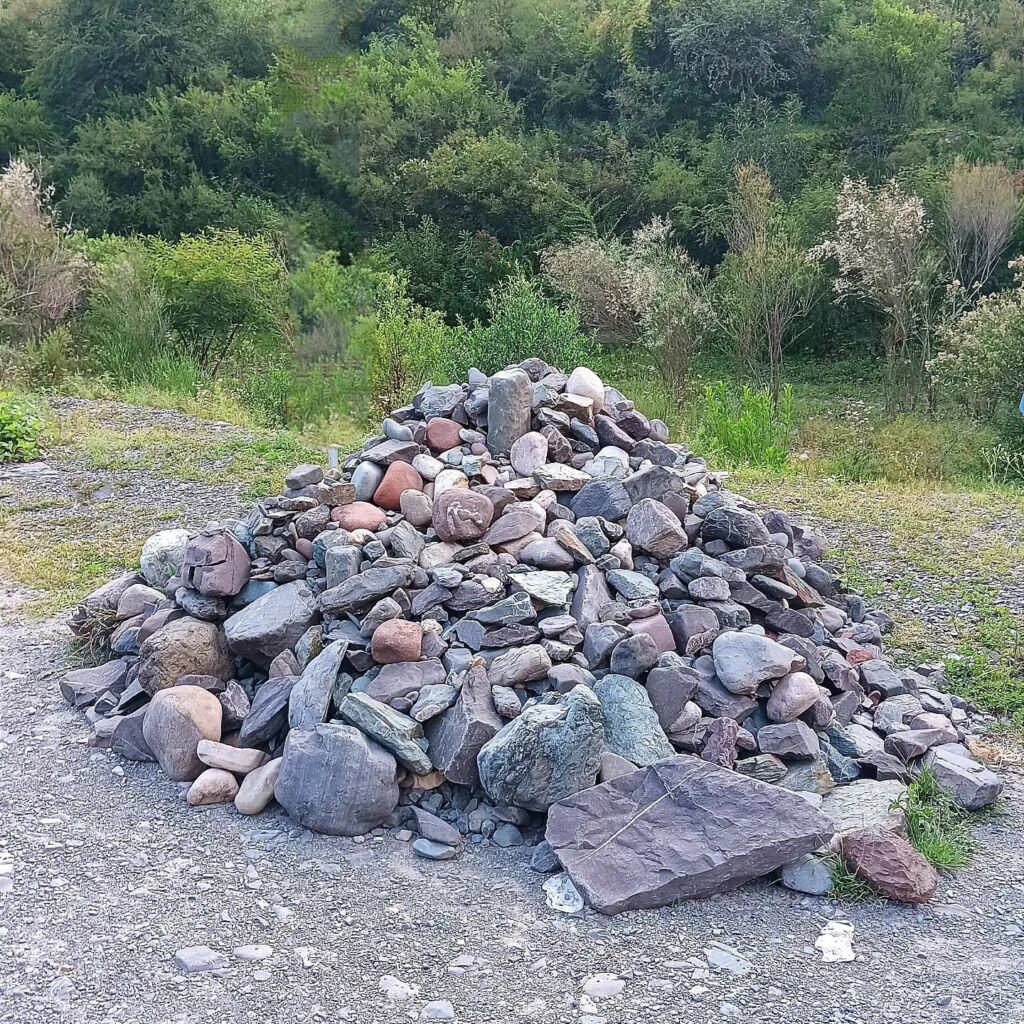
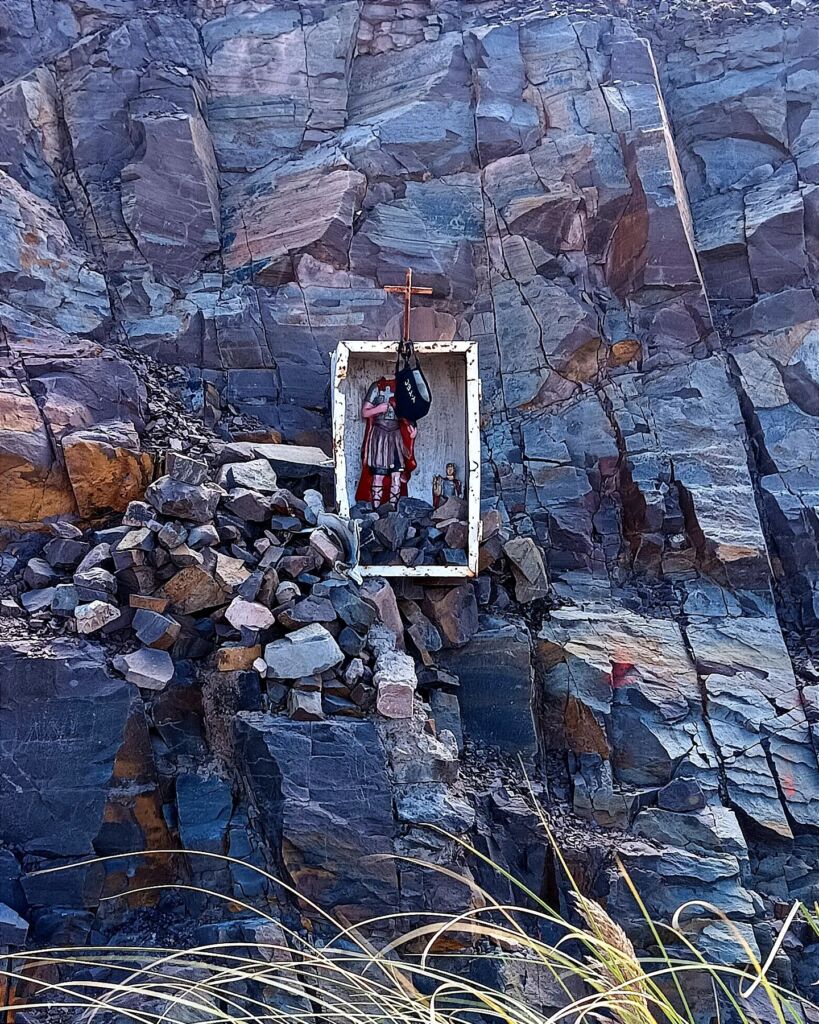
See the mysterious pile of rocks above? This is something that you see off an on on the way. It is an Apacheta. Travelers in the Andes traditionally add a stone to these piles while crossing high passes. It’s a ritual that goes back to Inca times, a small offering to Pachamama, the earth mother. A stone for safe passage.
Life at the Edge of the Andes
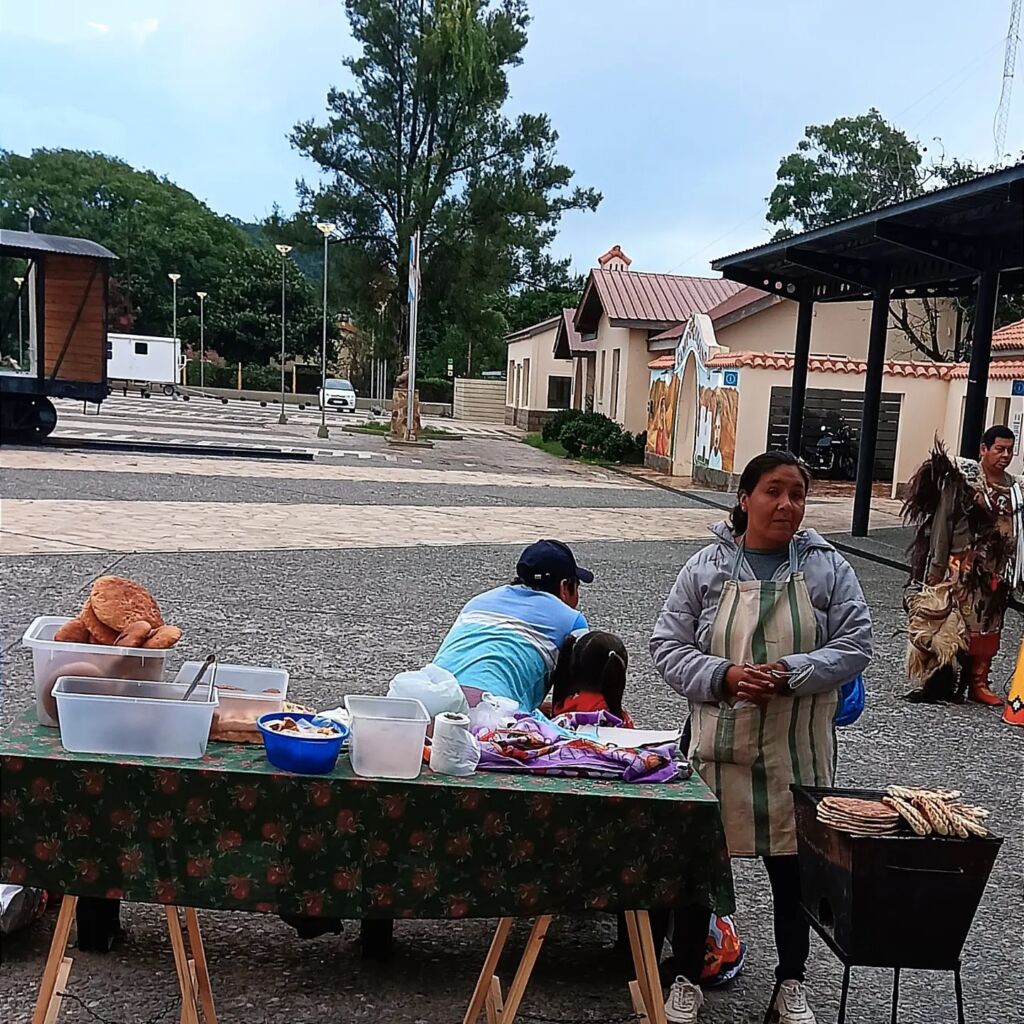
The train stops near San Antonio de los Cobres, a small Andean town where life moves at the pace of the mountains. Roadside stalls sell hot empanadas and flatbread. Travelers gather around grills. The wind sweeps across the plateau.
A Beer at 4,000 Meters
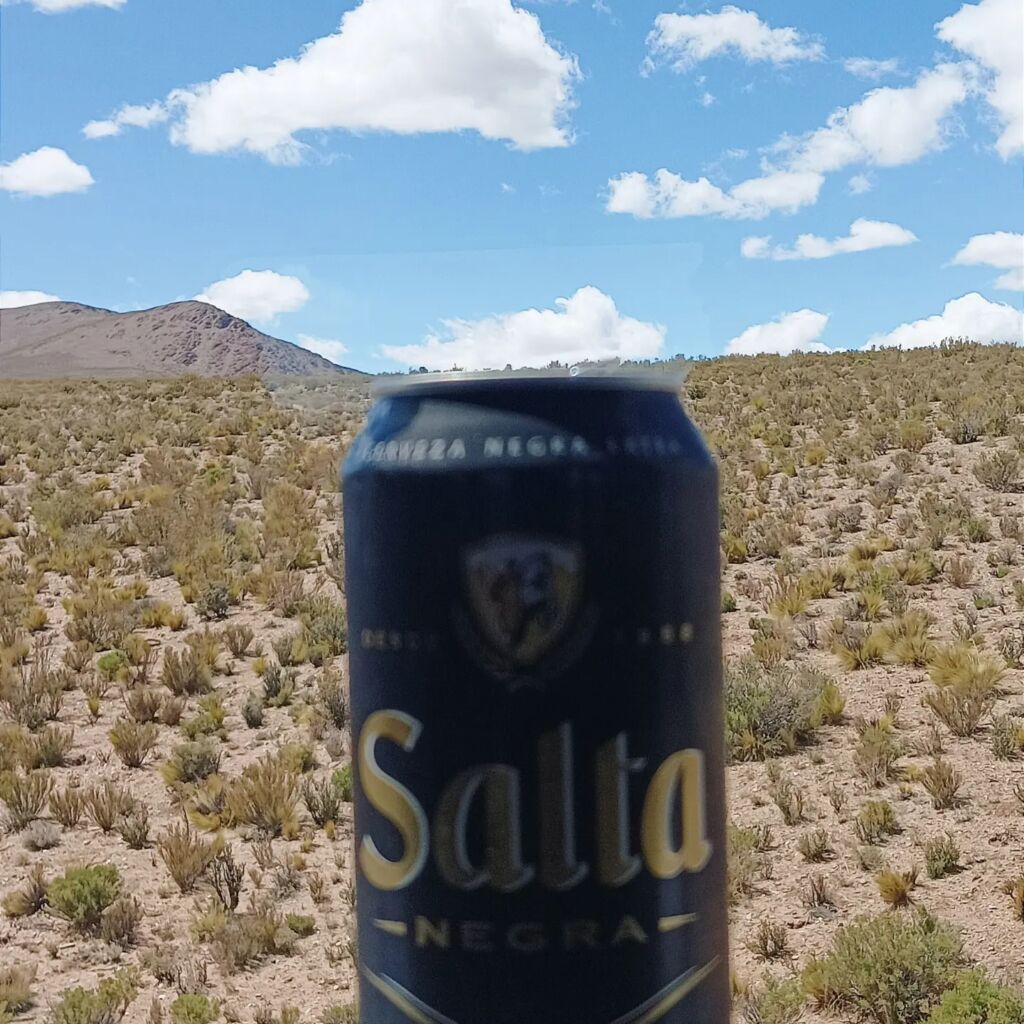
At some point on the journey someone opens a can of Salta Beer. And somehow it tastes better here. Maybe it’s the altitude. Maybe it’s the landscape. Or maybe it’s simply the feeling of being very, very far from the ordinary world.
Argentina: A Country of Extremes
Argentina stretches nearly 3,700 kilometers from north to south. Within that distance lies a staggering range of landscapes. Rainforests. Deserts. Salt flats. Wine valleys. Glaciers. And mountains painted with colors older than humanity.
Some places impress you. Argentina overwhelms you.
And once you’ve seen it, from the roar of Iguazu to the silence of the salt flats, it becomes very difficult to forget.
And just in case you want to visit Argentina, contact Beyonder Travel. Oh, and feel free to check out the other experiences across the world that are put up there…




Leave a Reply