
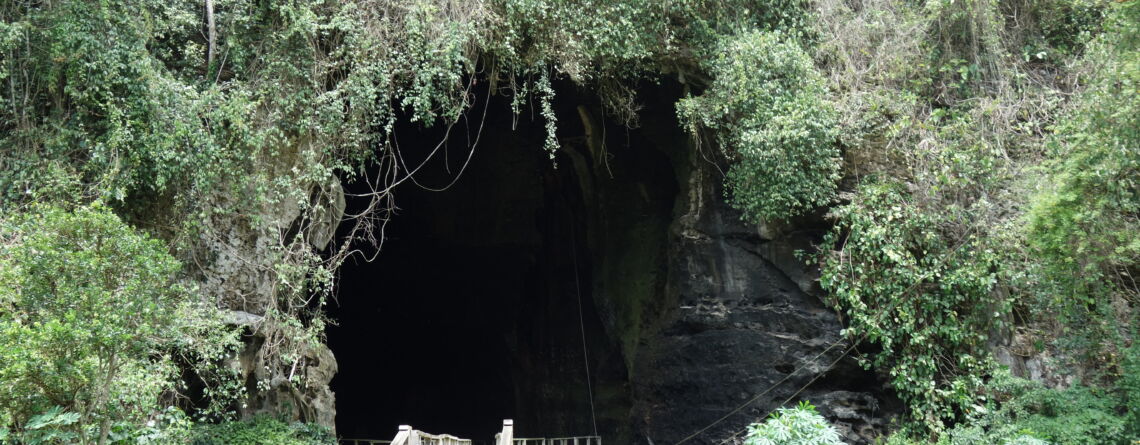
Gomantong Cave — Entering the Underbelly of the Forest – Beyonder
Gomantong Cave does not ease you in gently. You smell it before you see it.
This vast limestone cave system near Sandakan is one of the largest and most biologically intense caves in Southeast Asia. It is home to millions of bats and swiftlets, and to centuries of human labor that still continues today.
This is not a “pretty” place. And that is precisely why it matters.
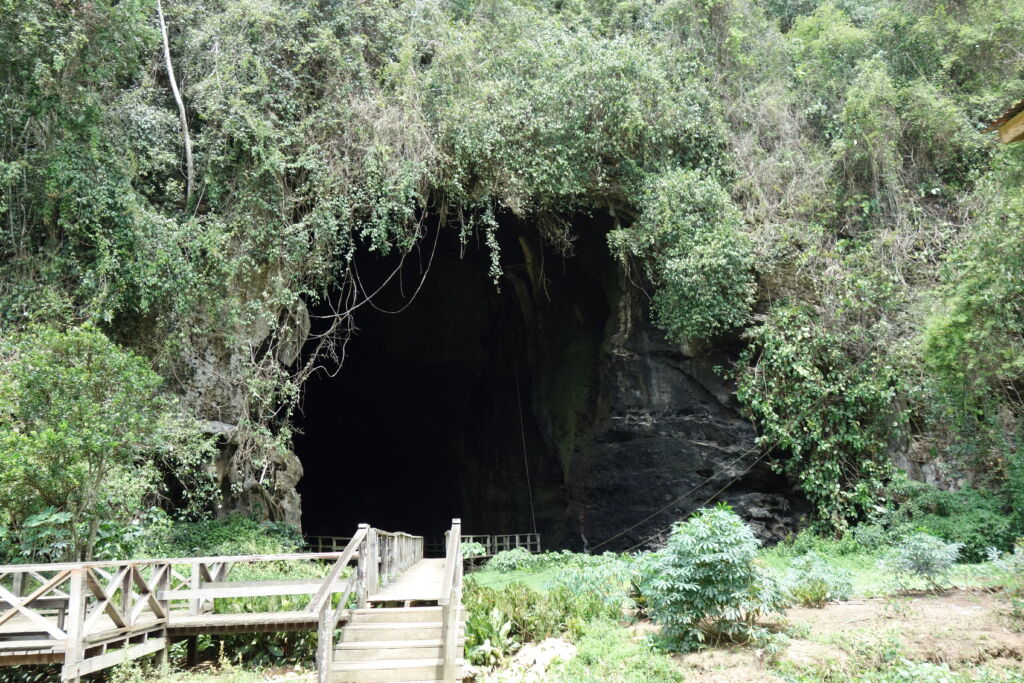 Gomantong – A cave built on droppings and patience
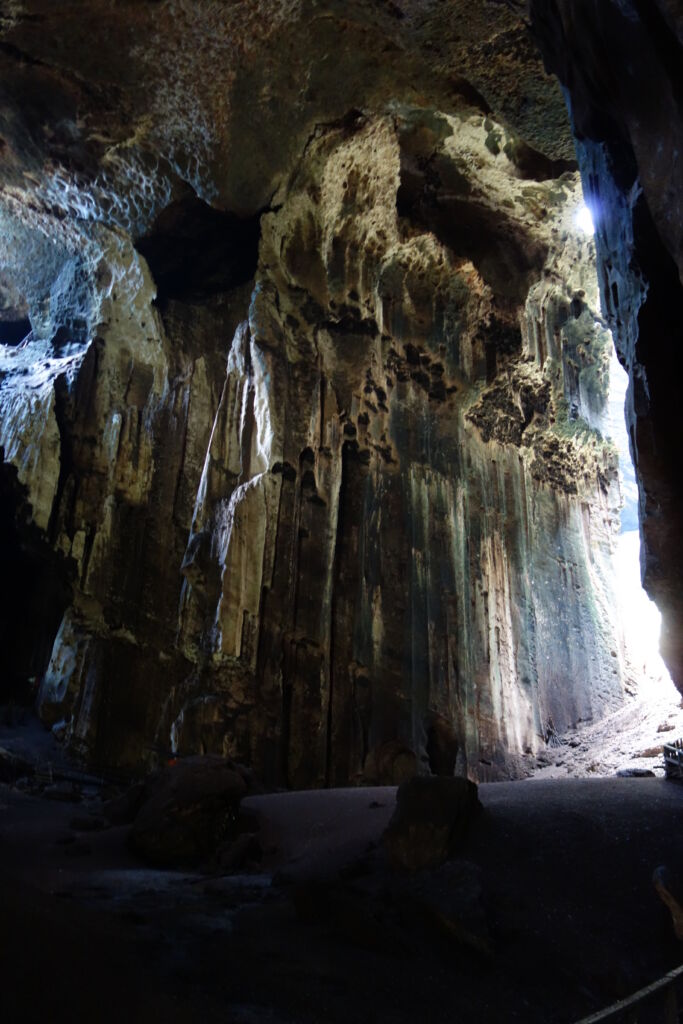
Inside Gomantong, the floor is thick with guano — bat droppings layered over centuries. It squelches underfoot. It smells aggressively alive.
The ceiling is invisible at first, until movement registers. Rustling. Chirring. The quiet thunder of wings.
The ecosystem inside the cave is complete in itself — bats feeding outside at night, returning to fertilize the cave floor, supporting insects, fungi, bacteria, and eventually the forest outside.
Nothing here is wasted.
The perilous economics of bird nests
For hundreds of years, Gomantong has been a site for harvesting edible bird nests — prized in Chinese cuisine and traditional medicine.
The harvesting method has changed little over time. Men climb towering bamboo scaffolds lashed together without nails, balanced precariously in the dark, hundreds of feet above the cave floor.
It is dangerous. People die doing this.
 And yet the practice continues — regulated now, seasonal, controlled — because it is woven into local livelihoods and history.
This is where easy moral judgments collapse.
From the outside, it looks exploitative. From within, it is continuity. Survival. Inheritance.
Tourism without sanitization
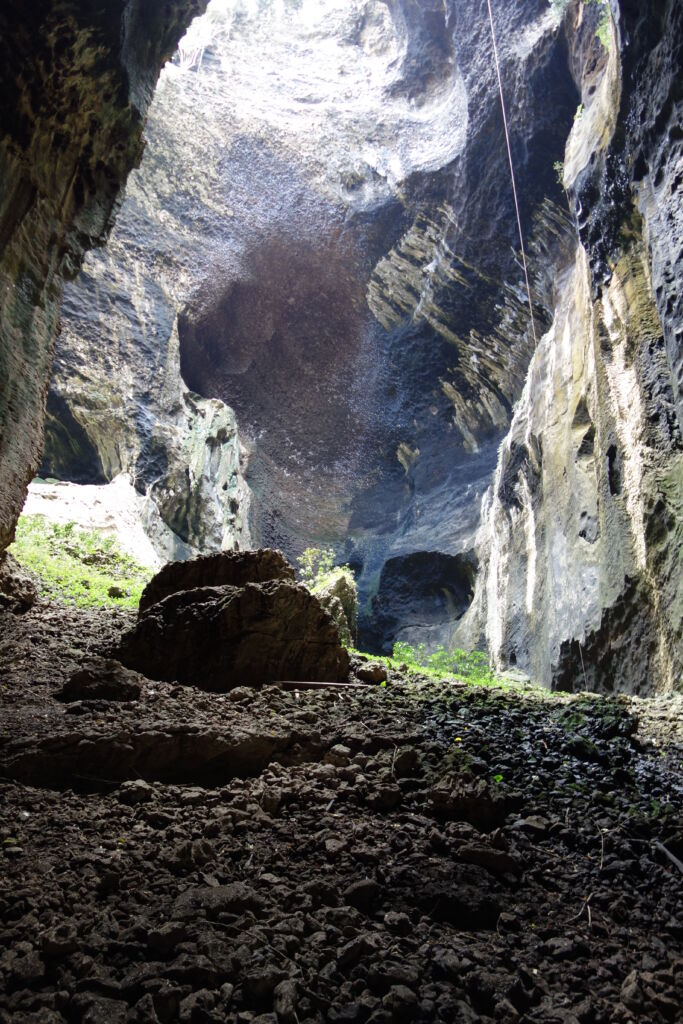 Gomantong does not apologize for itself. There are walkways, yes. Safety rails. Signs.
But it does not deodorize its reality.
You sweat. And you slip. You confront discomfort.
This is not adventure tourism packaged for thrill-seekers. It is a reminder that real places are often inconvenient. And that inconvenience is part of their truth.
What Gomantong forces you to confront
Modern travel increasingly seeks comfort without consequence. Experiences without friction. Gomantong offers neither.
It shows you:
- That ecosystems include decay
- That human economies often operate in morally grey zones
- That nature does not curate itself for human approval
You leave smelling faintly of guano, shoes slightly ruined, and perspective recalibrated. Which feels like a fair trade.
This was Part of the Mini Blogs on my travels in Borneo… Read the full travelogue here…
Check out the Borneo packages available for you to choose from. Need something different? Contact Beyonder Travel.


Leave a Reply