
Tribes of Sabah — Of Head-Hunters and Blowguns – Beyonder
“Tribes of Sabah” evokes images of of Head-Hunters, Blowguns, and the Long Life of a Misunderstood Past. In fact, every time Borneo is mentioned in casual conversation, it doesn’t take long for the phrase “head-hunters” to surface.
It is usually delivered with a half-smile. A shiver of theatrical danger. A colonial hangover masquerading as curiosity. And like most shorthand labels, it tells you far less than it pretends to.
Sabah is home to over thirty indigenous ethnic groups, each with its own language, cosmology, social structure, and relationship with land. These are the Tribes of Sabah. To collapse them all into one lurid headline is not just lazy — it is historically dishonest.
 The Kadazan-Dusun: rice, land, and continuity
The Kadazan-Dusun people form the largest indigenous group in Sabah. Traditionally agricultural, their lives have long revolved around paddy cultivation, seasons, and a sophisticated belief system centered on balance between the human and natural worlds.
Their cosmology is not dramatic in the Hollywood sense. It is practical. Cyclical. Deeply ecological.
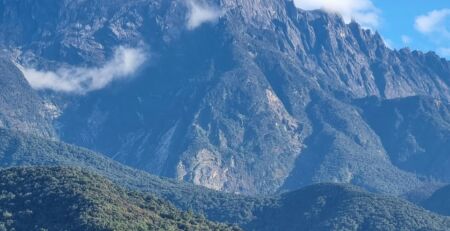
Mount Kinabalu itself is sacred to them — a resting place of ancestors, not a challenge to be conquered. This worldview matters, because it frames land not as property, but as inheritance and responsibility.
The Rungus and the art of community
The Rungus, closely related to the Kadazan-Dusun, are known for their longhouses and intricate beadwork. Longhouses were not merely dwellings; they were social contracts — spaces where privacy existed within community, and survival depended on cooperation.
It is fashionable now to romanticize such structures. What is less discussed is the discipline they required — restraint, negotiation, and collective accountability.
The Bajau: people of the sea
Often called “sea gypsies,” the Bajau people historically lived nomadic lives on water, navigating seas with an ease that borders on the supernatural.
Some Bajau communities traditionally spent more time on boats than on land. Their understanding of tides, currents, and marine life is intimate, inherited, and largely unrecorded.
Modern borders have not been kind to them. When a people who belong to water are forced to choose a nationality, something essential is lost.
And then, the Dayaks – most famous among the Tribes of Sabah
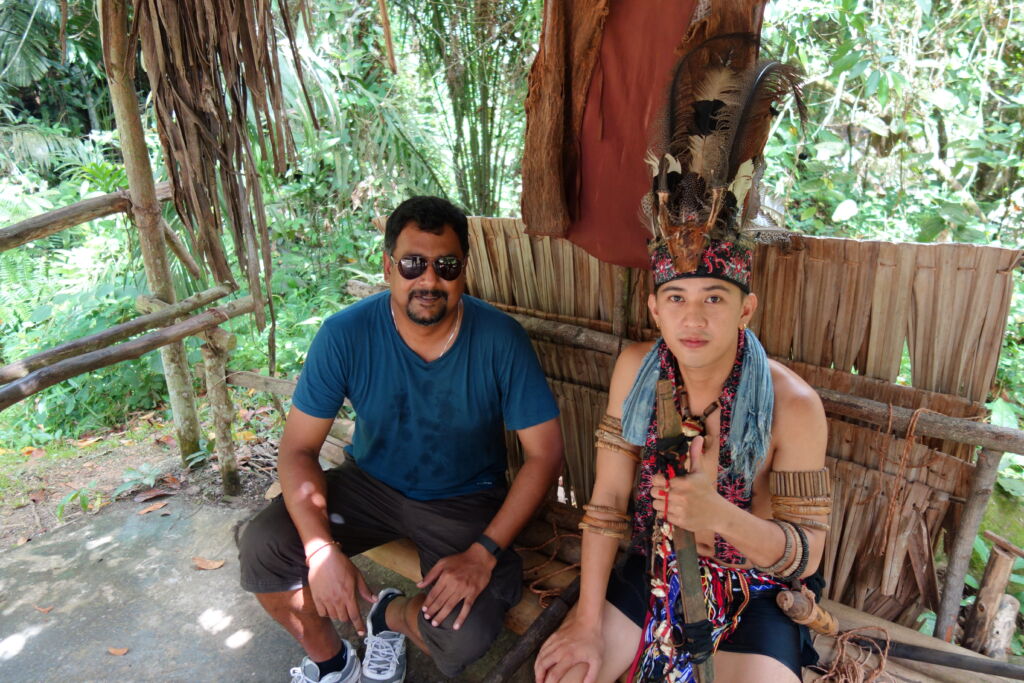
The Dayak peoples — a broad grouping that spans much of Borneo — are where the head-hunter narrative fixates. Yes, head-hunting existed.
But it was not mindless savagery. It was ritualized, symbolic, and deeply embedded in belief systems tied to protection, fertility, and spiritual balance.
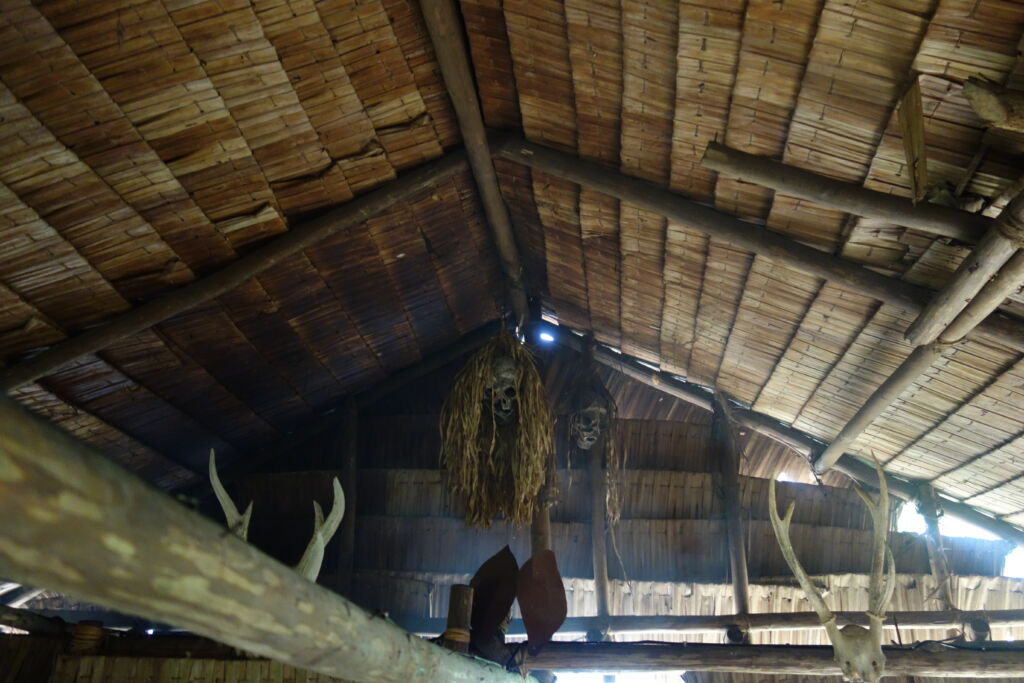
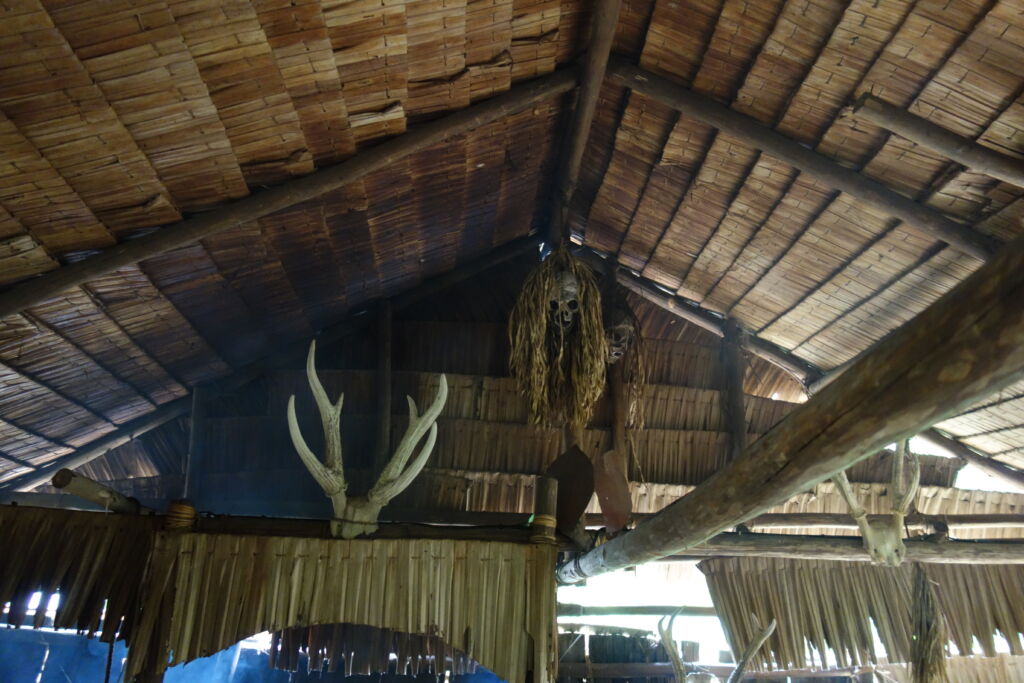
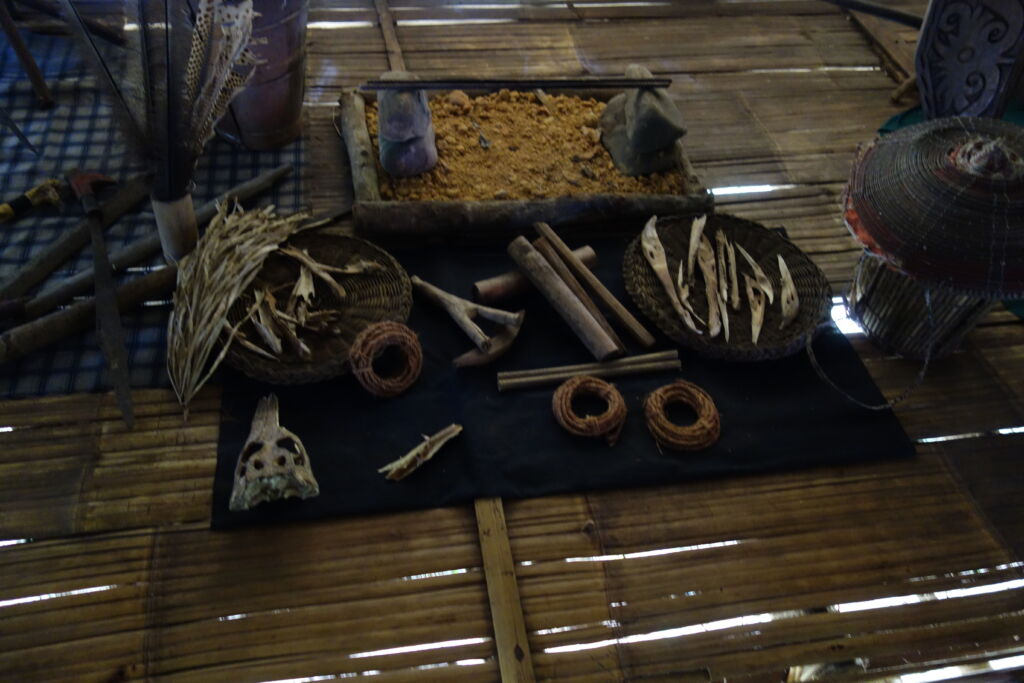
Heads were not trophies. They were vessels of power. Understanding this does not require approval. It requires context.
Colonial narratives stripped head-hunting of its meaning and presented it as proof of primitivism — conveniently justifying “civilizing” missions that were anything but civil.
The blowgun: precision, not novelty for the Tribes of Sabah
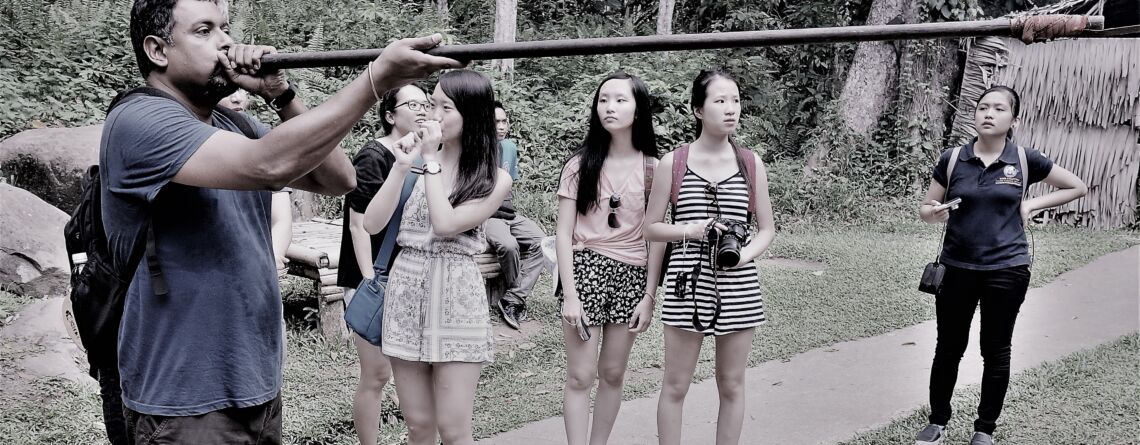
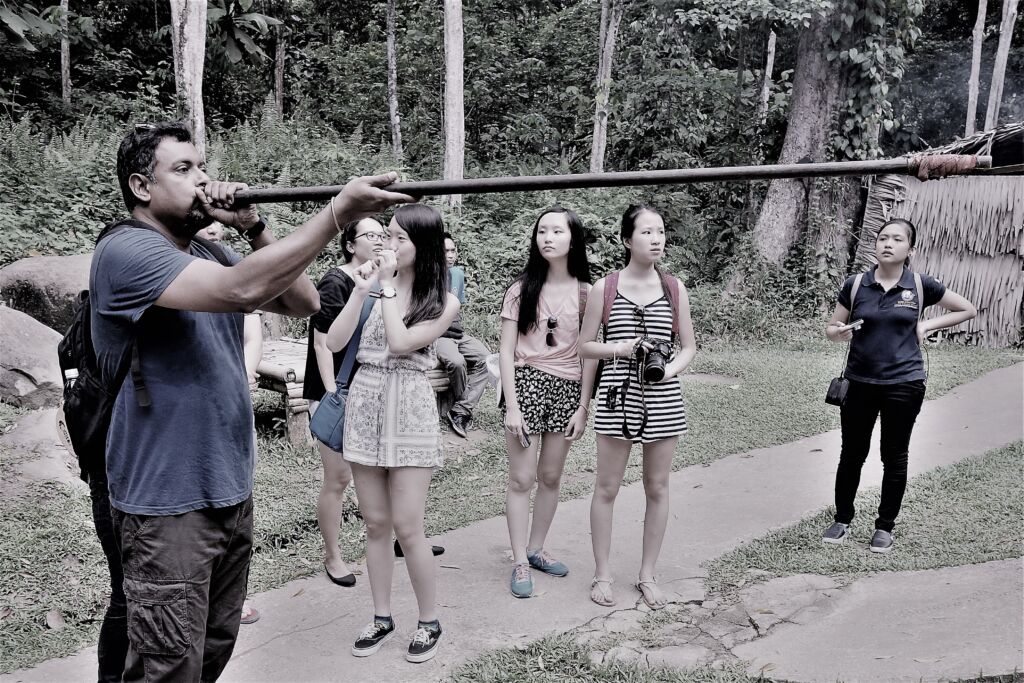
Today, tourists treat the blowgun as a curiosity — a tribal prop for tourist demonstrations.
In reality, it is an instrument of astonishing engineering.
Made from carefully selected wood, polished to perfection, capable of silent, accurate lethality over distance, the blowgun reflects a deep understanding of physics, aerodynamics, and toxicology. The users tipped the darts with plant-based poisons, not for spectacle, but efficiency.
In a rainforest where noise can mean death, silence was strategy.
What survived, what changed
Today, Sabah’s indigenous communities are modern, bilingual and politically aware. They are also painfully conscious of how they are perceived.
Culture here has not vanished. It has adapted.
The danger now is not head-hunting, but cultural flattening — traditions reduced to dance performances on fixed schedules, belief systems trimmed to fit brochures.
The real work lies elsewhere: land rights, ecological stewardship, cultural dignity.
Sabah’s tribes do not need mythologizing. We need to listen to them.
This was Part of the Mini Blogs on my travels in Borneo… Read the full travelogue here…
Check out the Borneo packages available for you to choose from. Need something different? Contact Beyonder Travel.

Leave a Reply