
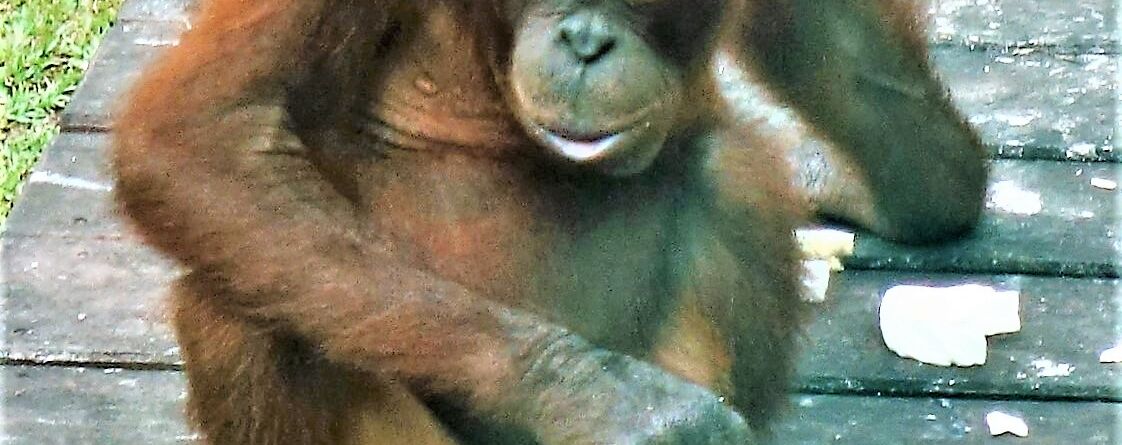
Sepilok Orangutan Rehabilitation Centre – A Visit – Beyonder
Sepilok Orangutan Rehabilitation Centre is about learning how to leave things alone. There is a moment at Sepilok when you realize this isn’t about you.
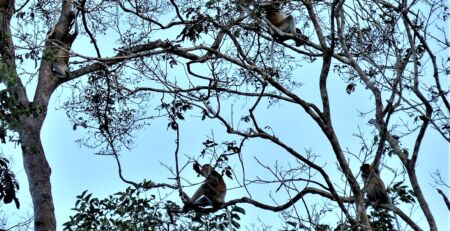
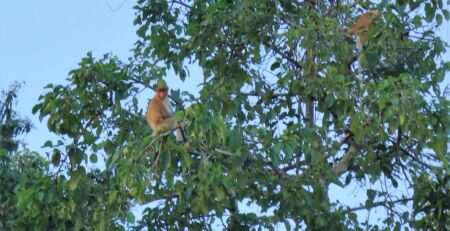
No sweeping music. No dramatic announcements. Just a wooden platform, forest all around, and the faint rustle of movement somewhere above. Then they appear.
Orangutans do not make entrances. They arrive.
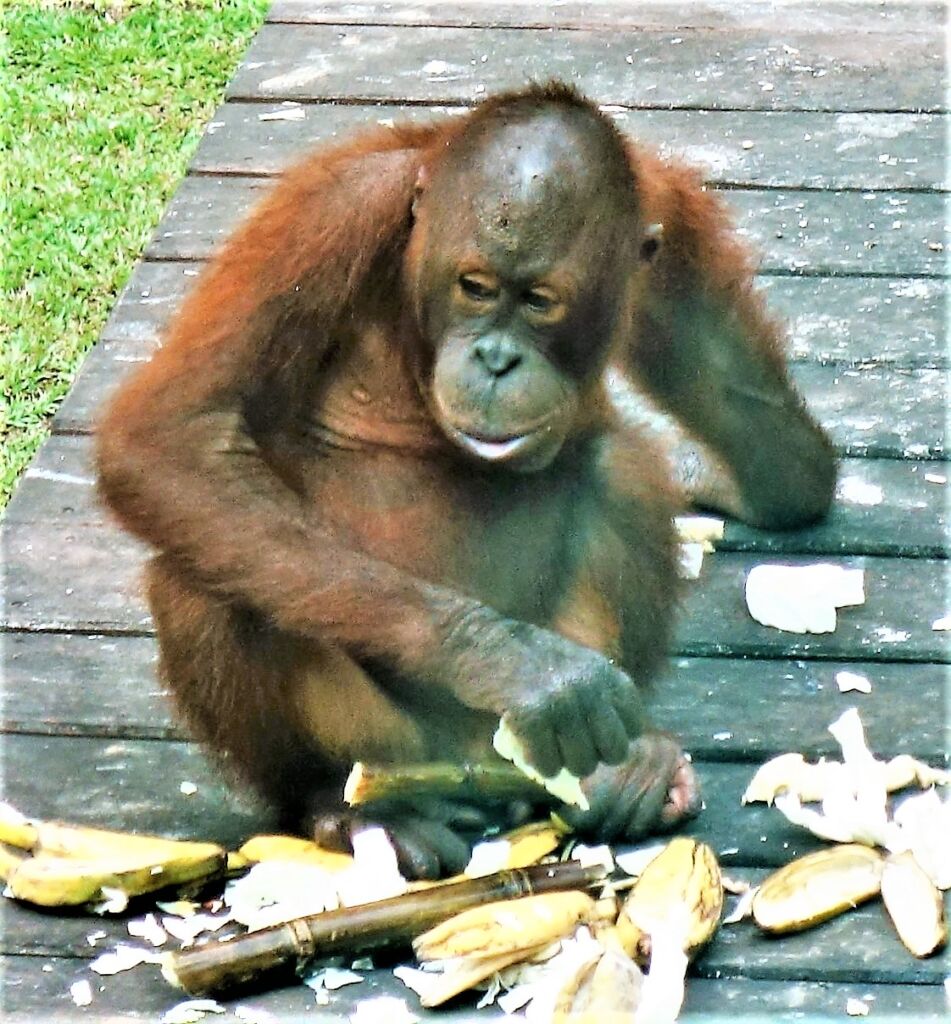 The Sepilok Orangutan Rehabilitation Centre, near Sandakan, was established in 1964 — long before conservation became fashionable or monetizable. Its purpose was simple and radical: to rehabilitate orphaned and displaced orangutans and return them to the wild.
Not to display them.
And not to tame them.
To let them go.
Why Sepilok exists
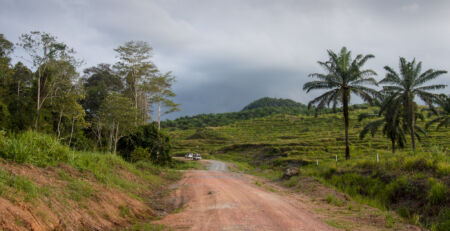
Borneo’s orangutans have paid the price for human convenience — logging, plantations, illegal pet trade. Sepilok exists because forests were cleared faster than lives could adapt.
Young orangutans that arrive here are often traumatized, malnourished, confused. They are taught — slowly, patiently — how to be orangutans again. How to climb. And how to forage. How to trust the forest.
This process can take years. There are no shortcuts. The goal is independence, not attachment.
Which already makes Sepilok different from many wildlife attractions masquerading as sanctuaries.
Watching without interfering
Visitors walk along elevated boardwalks through the forest. The feeding platforms are placed not to draw animals closer to humans, but to support those still transitioning to wild self-sufficiency.
Some orangutans show up. Some don’t. No one promises sightings. And that, oddly, feels reassuring.
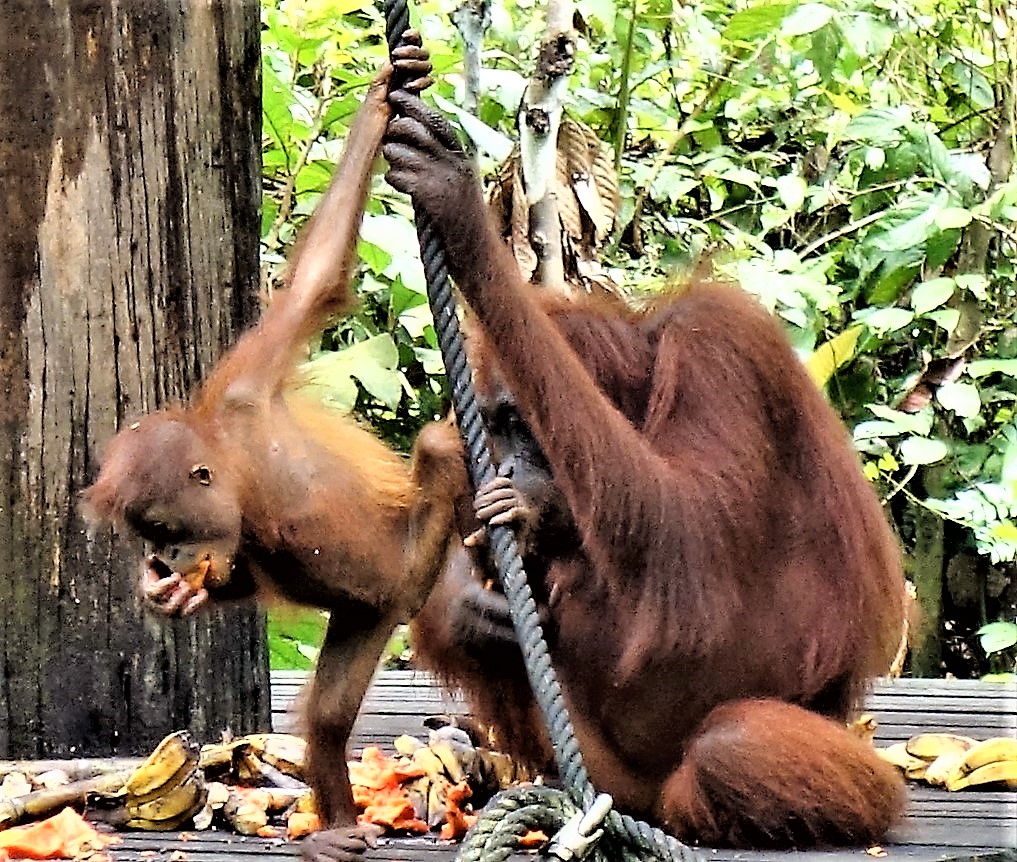
When they do arrive, they are astonishing to watch — not acrobatic in the way monkeys are, but deliberate, thoughtful. They pause. And observe. They seem to weigh decisions.
There is something deeply unsettling — and humbling — about how familiar they feel. Not in appearance, but in temperament. If they had opinions, you suspect they would be nuanced and inconvenient.
 The ethics of looking
Sepilok forces an uncomfortable question: What right do we have to look?
The center answers this quietly. By minimizing interaction. And by refusing spectacle. By prioritizing outcomes over optics. There are no selfies with orangutans here. No touching. No feeding. You are a witness, not a participant.
In an age where wildlife tourism often blurs ethical lines for engagement metrics, Sepilok’s restraint feels almost radical.
Letting go as success
The most important moment at Sepilok is the one you don’t see — when an orangutan stops coming back. That is success.
The center celebrates disappearance. Graduation. Absence.
It is a powerful metaphor, not just for conservation, but for how we engage with the world at large. Not everything needs to be owned, documented, shared.
Some things are best supported — and then left alone.
 Leaving Sepilok
When you walk back out through the forest, the noise of the outside world feels slightly louder, slightly more unnecessary.
Sepilok does not leave you exhilarated. It leaves you thoughtful.
Which, in the long run, might be far more useful.
This was Part of the Mini Blogs on my travels in Borneo… Read the full travelogue here…
Check out the Borneo packages available for you to choose from. Need something different? Contact Beyonder Travel.




Leave a Reply