
Borneo – The Place You Have Not Considered – Beyonder
Borneo. Heard of it? Of course you have. Considered going? Probably not. And that, is precisely its charm.
I had heard of it too. Everyone has. It floats around in our collective imagination like a half-remembered bedtime story — dark rainforests, head-hunting tribes, orangutans swinging through mist, maps with more ‘green’ than roads.
But travel there?
Honestly, it felt too magical. Too far away. Too cumbersome to plan. Or perhaps — and this is the most dangerous reason of all — it felt too good and strange to be true.
And let’s be honest. I hadn’t met anyone who had actually been there. You may cast aspersions on the breadth of my friends’ circle, but the fact remained.
Until one day, I decided to go. This was about 8-9 years back…
What I saw there astounded me. And pardon me if I get a little garrulous while showing off my new-found (or is it old-found?) knowledge.
Borneo – One island. Three countries. No, really.
Borneo is a giant, rugged island in Southeast Asia, and here’s the bit that usually makes people pause mid-sip of coffee:
It belongs to three countries.
Malaysia. Indonesia. Brunei.
Malaysia takes the northern slice — Sabah and Sarawak.
Indonesia claims the lion’s share — Kalimantan.
And tucked in modestly like a well-funded footnote is Brunei, a tiny but wealthy sultanate.
This geopolitical jigsaw came together largely after World War II, when colonial powers packed their bags, redrew borders, and left behind nations trying to stitch identities together from rainforest, rivers, and memory.
The island has been a crossroads for centuries — traders from China, India, Arabia; later the Portuguese, Dutch, and British. Each arrived, stayed a while, named things, took things, and moved on. The forest, unbothered, stayed.
What’s in a name? Quite a bit, actually.
The word Brunei is believed to have ancient roots in Sanskrit — possibly from a word meaning “ocean”, or from Varuna, the Hindu god of the seas.
The Indonesians call their part Kalimantan, perhaps derived from Kalamanthana — “the burning weather island.” Anyone who has been there will nod vigorously at that.
With European contact in the 16th century, the name Borneo emerged — simpler, easier on foreign tongues — and, like many colonial labels, it stuck.
An ancient rainforest that predates almost everything
The Borneo rainforest is around 140 million years old.
Let that sink in.
It predates the Amazon.
That means, it was already ancient when dinosaurs were still figuring things out.
This is one of the most biodiverse places on the planet — thousands of species of flowering plants, trees, mammals, birds, insects that probably haven’t been named yet and look mildly offended if you stare too long.
It is also one of the last strongholds of the Bornean orangutan, along with pygmy elephants, proboscis monkeys, clouded leopards, sun bears, Dayak fruit bats, and creatures so shy they seem to have signed a non-disclosure agreement with the forest.
Sabah: Where my Borneo story unfolded
I travelled through Sabah, in Malaysian Borneo — specifically Kota Kinabalu, Sandakan, and the Kinabatangan River.
Kota Kinabalu
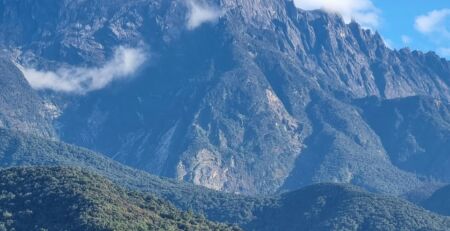
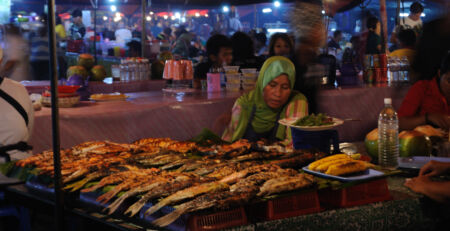
A relaxed coastal city with islands offshore, sunsets that show off shamelessly, and Mount Kinabalu looming in the background like a benevolent guardian. It’s a fine place to ease into Borneo — seafood markets, local beers, and the quiet thrill of knowing that wilderness begins just beyond city limits.
Mount Kinabalu
At 4,095 meters, this is Southeast Asia’s tallest peak.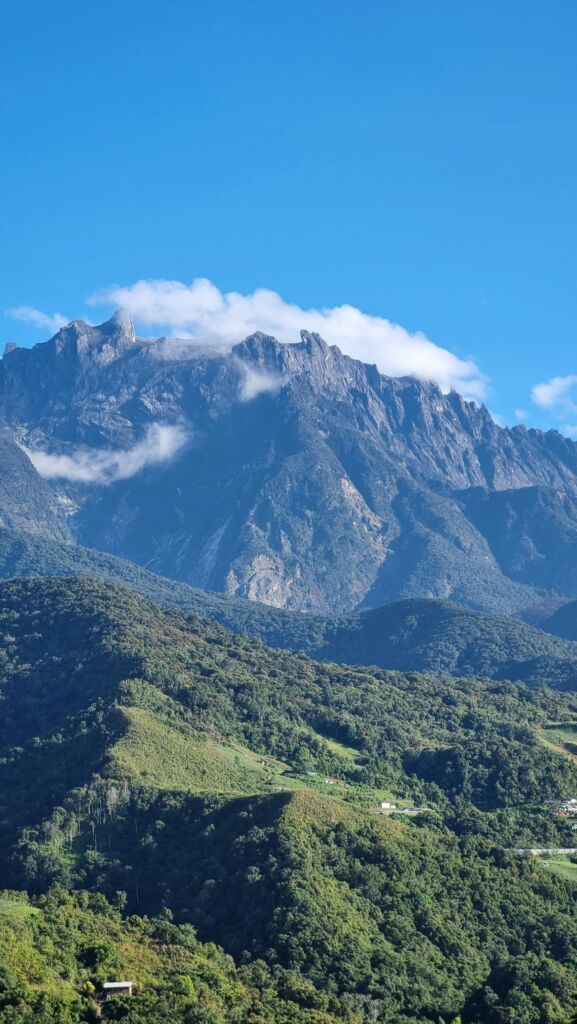
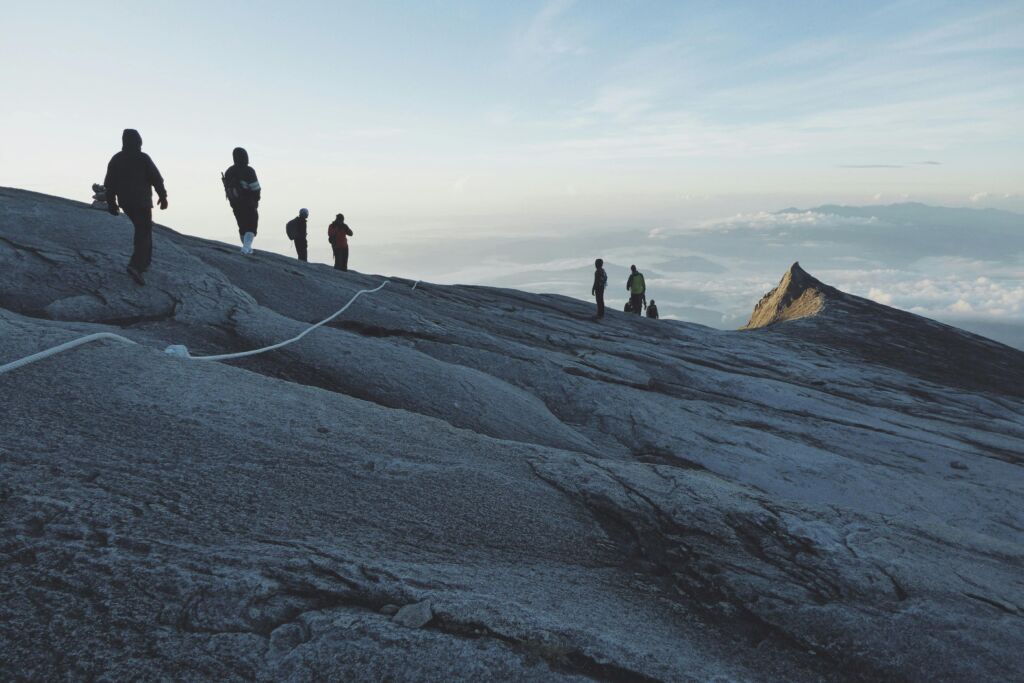
The trek is demanding but not technical — a slow burn rather than a lung-buster. As you climb, vegetation changes like scenes in a nature documentary — tropical rainforest giving way to moss forest, then alpine scrub. You feel geography under your boots. That’s always a good sign.
Nearby, Kinabalu National Park offers gentler pleasures — canopy walks, botanical wonders, and the sense that nature here isn’t manicured, just politely guided. Here’s some more information on the Mount Kinabalu trek…
Borneo – Orangutans, elephants, and river safaris
Sepilok Orangutan Rehabilitation Centre
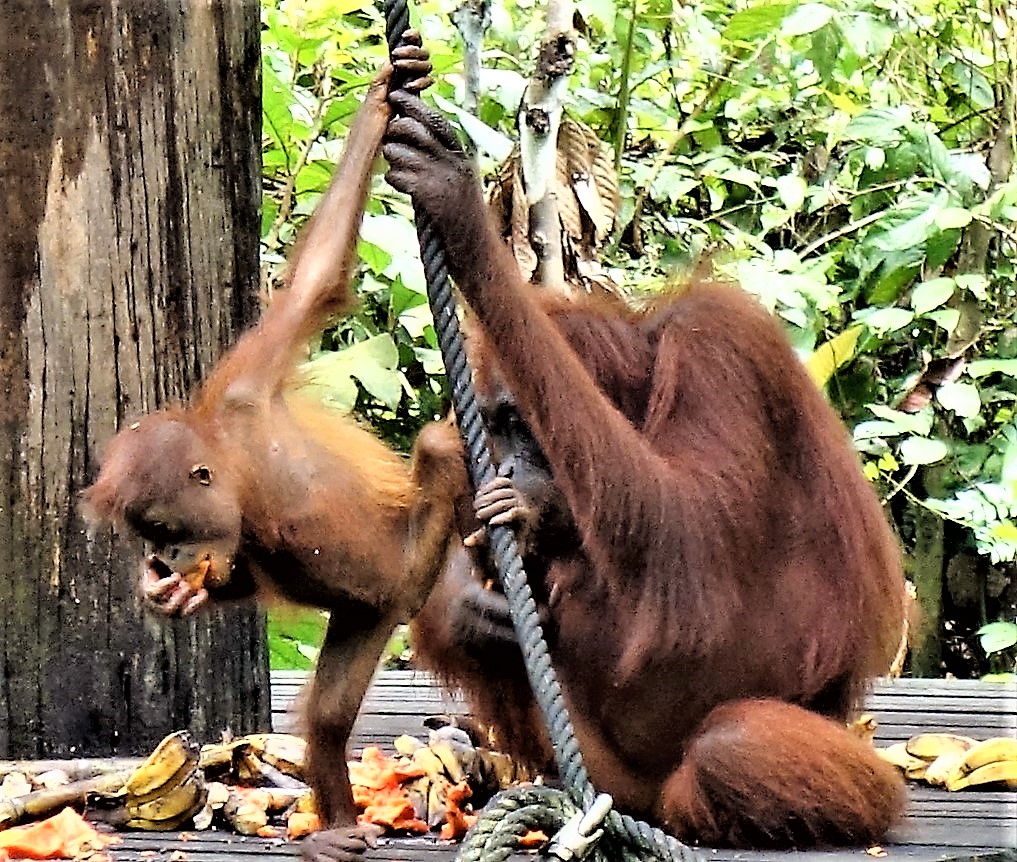 One of those rare places where conservation feels real, not performative.
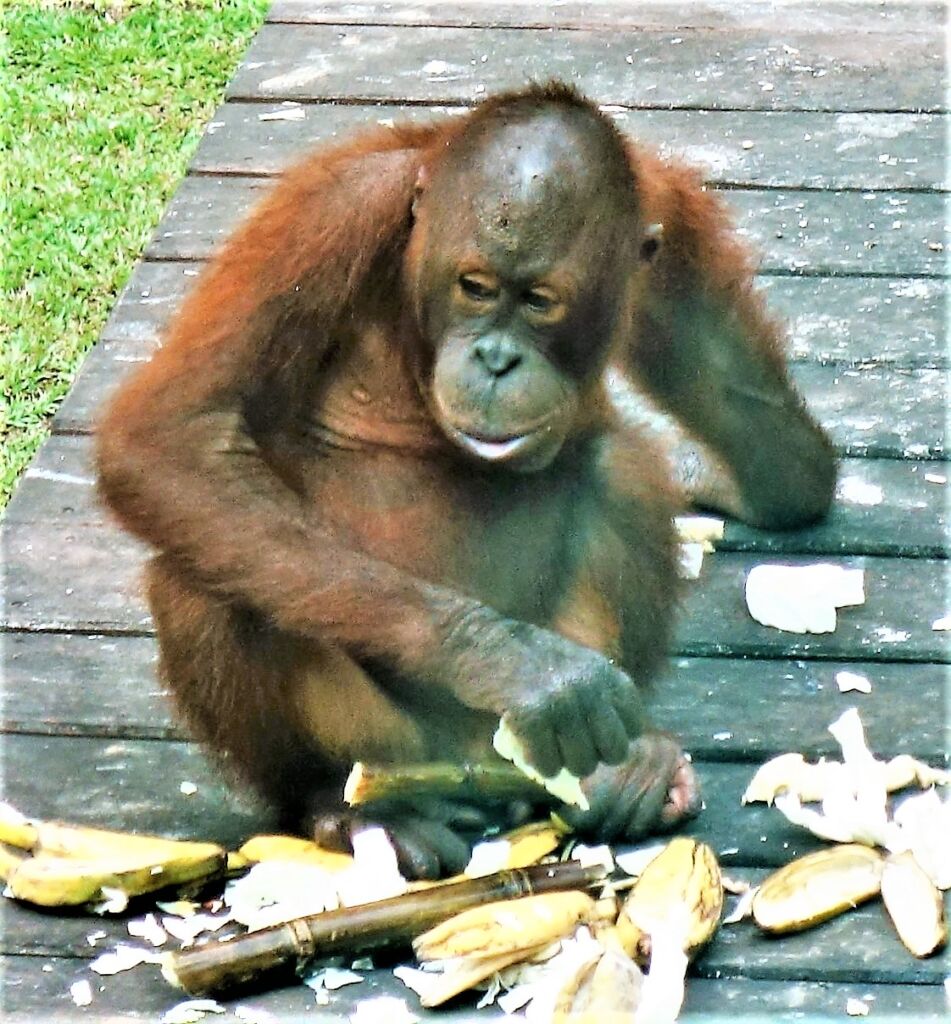
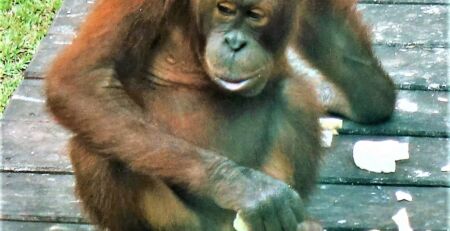
Watching orangutans — those red-haired philosophers — swing in for feeding time is deeply moving. They look at us the way we probably deserve to be looked at. Here’s a more detailed description – Sepilok Orangutan Rehabilitation Centre — Learning How to Leave Things Alone.
Kinabatangan River & Rainforest Lodge
This is where Borneo truly gets under your skin.
River safaris at dawn and dusk glide through a world of reflections and silence. Oxbow lakes, kingfishers, crocodiles pretending to be driftwood.
And then — the moment.
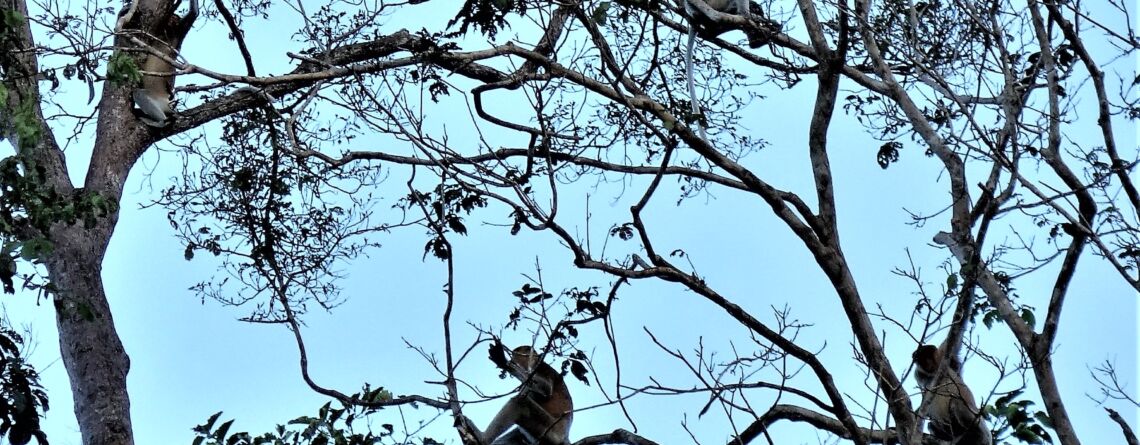
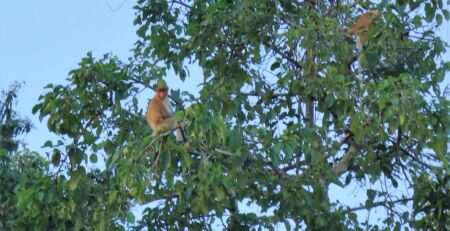
At evening, proboscis monkeys begin settling into the trees along the riverbank. Entire families arriving, shuffling, squabbling for branches. It reminded me uncannily of Mumbai’s skyscrapers at dusk — lights flickering on, residents returning home, the city exhaling.
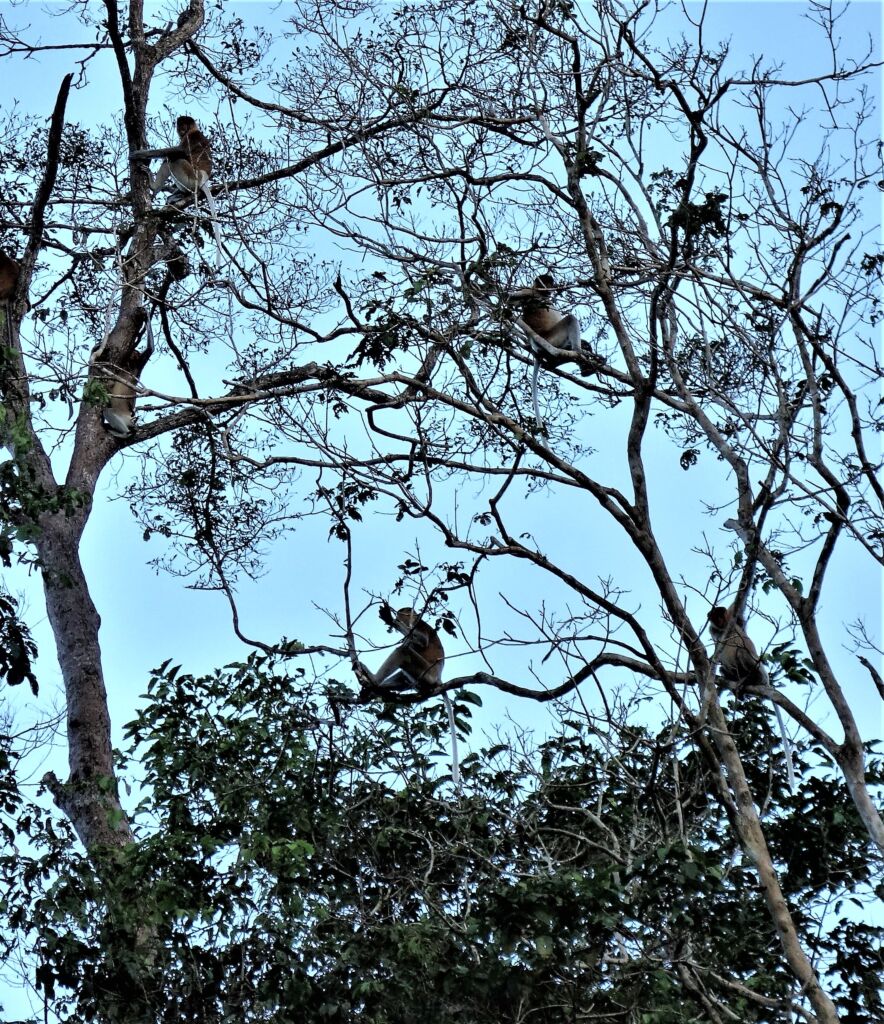 Except here, the city is green. And it breathes.
Occasionally, if you’re very lucky, pygmy elephants appear at the water’s edge — small, gentle, unexpectedly emotional creatures. You don’t photograph them so much as quietly thank them for showing up. I wasn’t lucky enough, by the way…
Here is some more information on the Flora and Fauna of Sandakan — Where the Forest Still Has the Upper Hand.
Borneo – Caves, cultures, and head-hunters
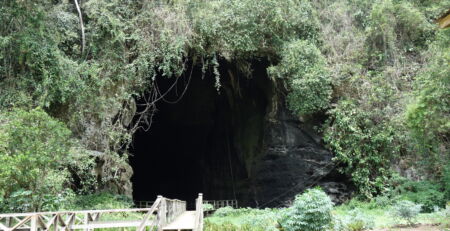
Gomantong Cave
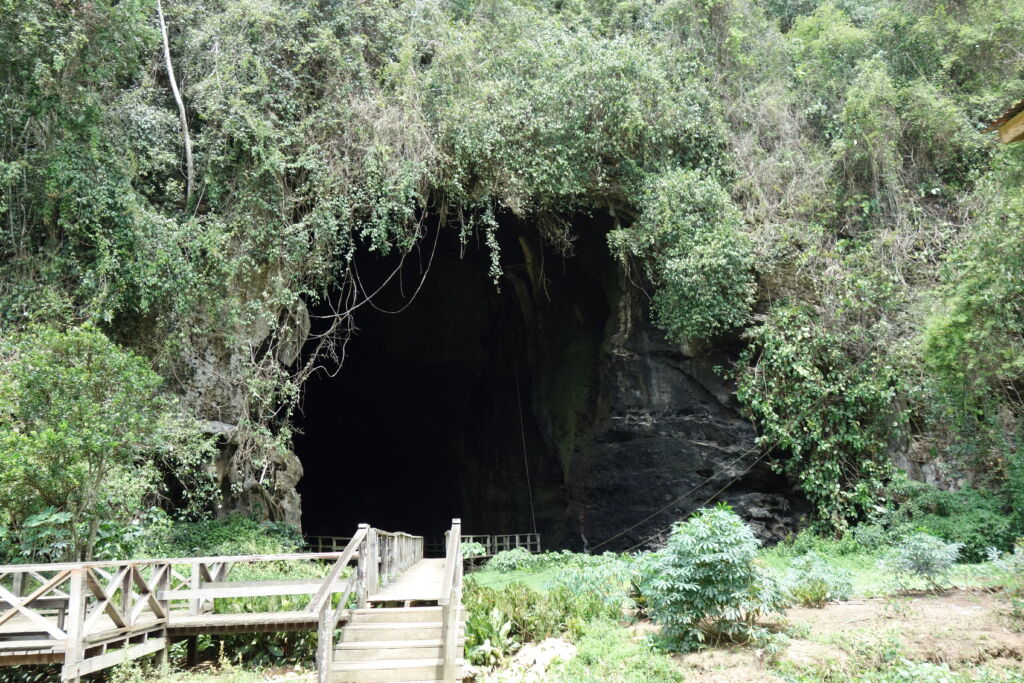 Impressive, pungent, unforgettable.
Home to millions of bats and swiftlets, and centuries-old traditions of nest harvesting that require nerves of steel and an acceptance of gravity as a negotiable concept. Here is some more information on the Gomantong Cave — Entering the Underbelly of the Forest.
Mari Mari Cultural Village
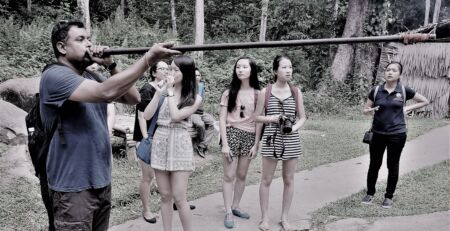
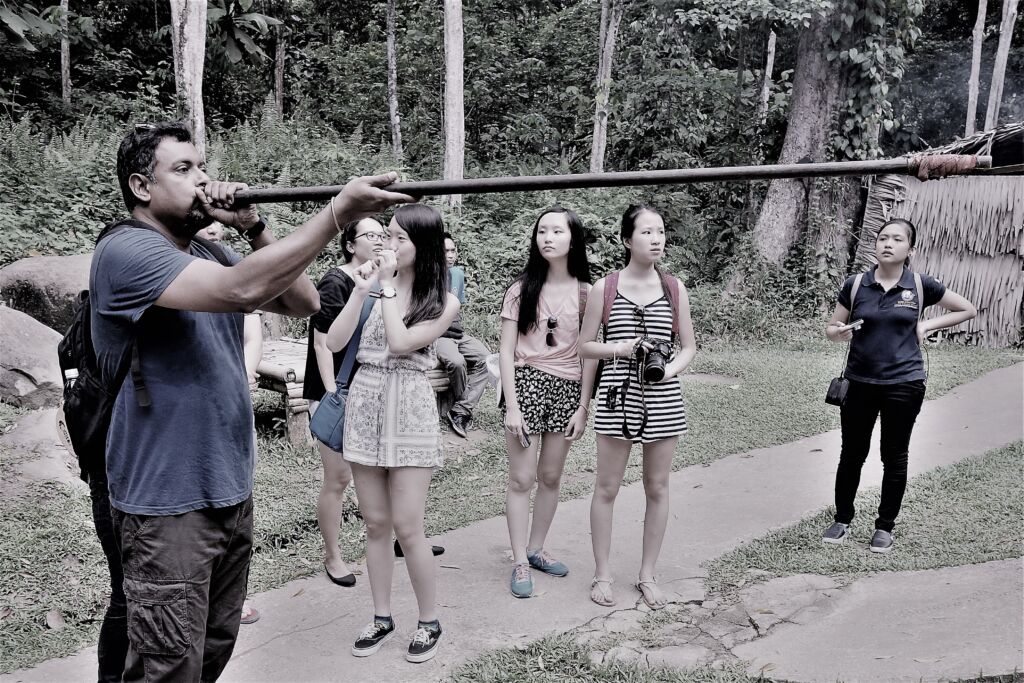 A thoughtful introduction to Sabah’s many tribes — Kadazan-Dusun, Rungus, Bajau, and others. Not a theme park, but a living reminder that culture here is plural, layered, and still breathing.
Yes, the Dayak tribes once practiced head-hunting.
No, they don’t anymore.
History can be bloody without being frozen in caricature.
Here is some more information on the Tribes of Sabah — Head-Hunters, Blowguns, and the Long Life of a Misunderstood Past.
Borneo – Hot springs, tea estates, and quiet pleasures
- Poring Hot Springs — sulphur pools tucked into forest, best enjoyed after a long day of walking.
- Sabah Tea Estate — rolling green calm, misty mornings, and the soothing realization that not everything in Borneo has teeth or claws.
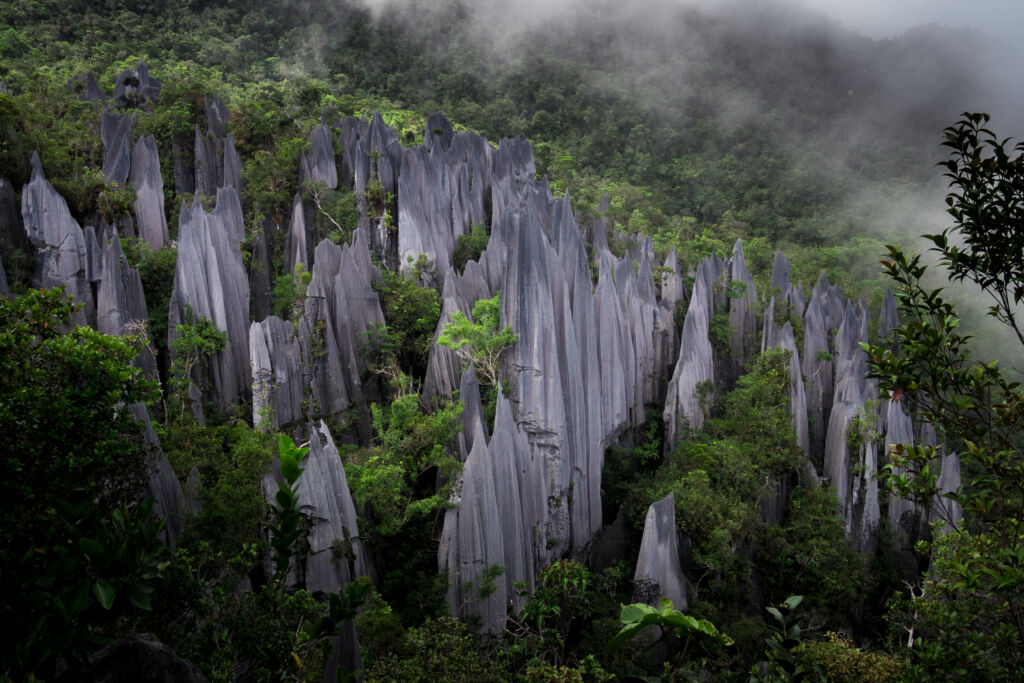
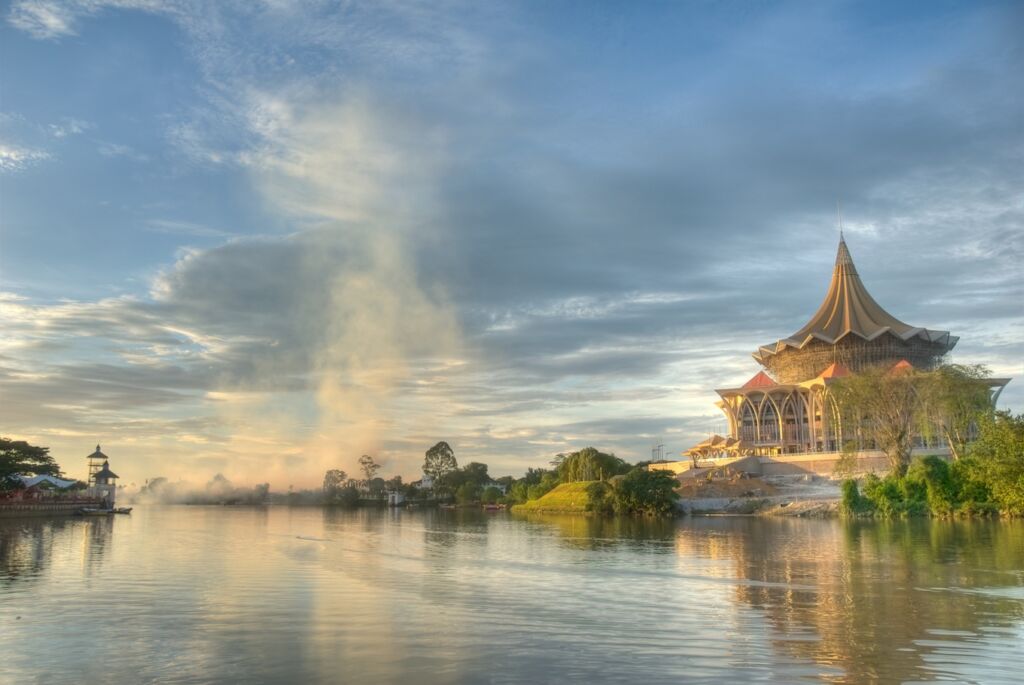
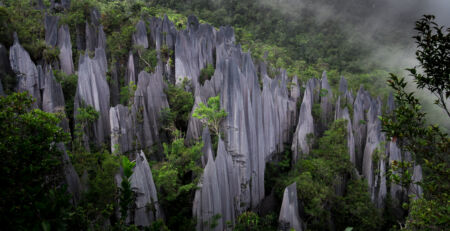
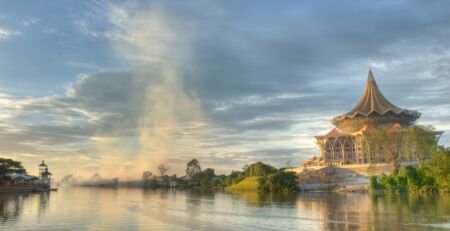
Beyond Sabah lie other legendary regions: Mulu Hills — When the Earth Decides to Show Off, Kuching — A City That Learned How to Breathe, Tabin Wildlife Reserve — each worthy of its own chapter. In case you need more information on them, please click on the links above.
What does Borneo taste like?
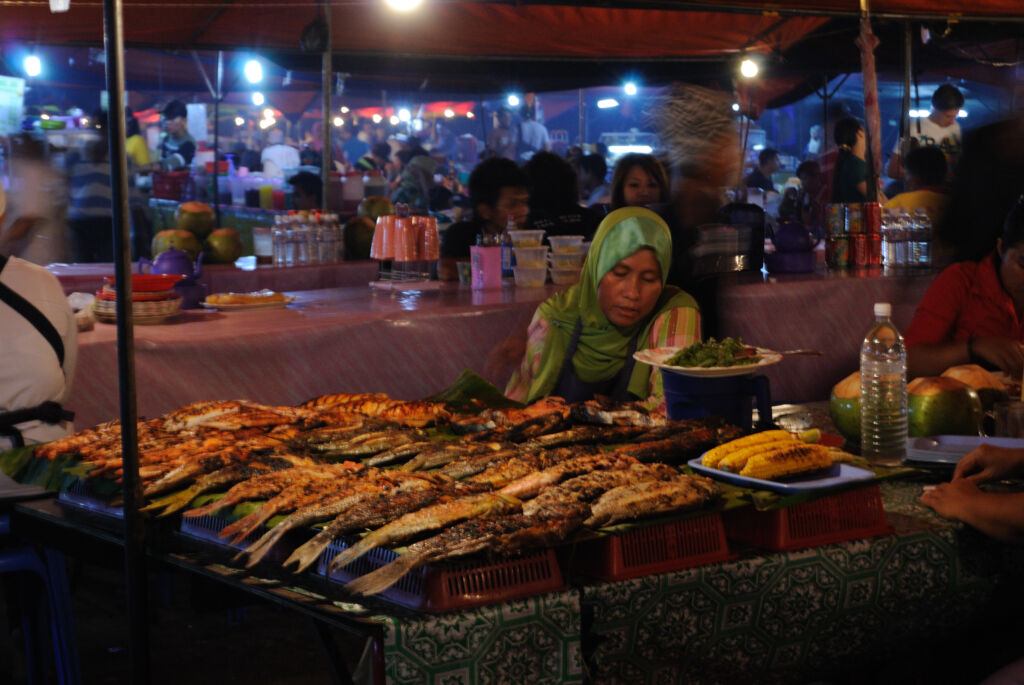 Food here is honest, comforting, unfussy.
- Seafood — fresh, chilli-laced, straight from the water.
- Laksa, noodles, rice dishes that borrow from Malay, Chinese, and indigenous kitchens.
- Forest flavors — bamboo shoots, wild greens, slow-cooked meats.
To drink: Local beers, Rice wines in village settings, And the quiet pleasure of a sundowner by the river, watching the forest prepare for night.
Here is some more information on the Food and drinks of Malaysian Borneo.
Borneo reminded me often of Somerset Maugham’s descriptions of colonial Southeast Asia — languid evenings, humid air thick with stories, and a sense that life here unfolds at its own pace, indifferent to timetables.
Why Borneo stays with you
Borneo is not flashy.
It doesn’t scream bucket-list.
Nor does it beg for attention.
It waits.
This is a land of stories and legends, of ancient forests and rare creatures, of cultures that survived because they adapted, not because they shouted.
And perhaps best of all — it is astonishingly accessible.
Barely an hour’s flight from Kuala Lumpur.
Which means you can pair it with a short urban flirtation in KL, a colonial pause in Malacca, or a beach exhale in Langkawi — and then step into one of the planet’s last great wild places. By the way, in case you need some more information on Malacca — Where Southeast Asia Learned to Be Complicated…
The orangutans are waiting.
So are the shy elephants.
And so is a part of you that still believes travel should occasionally feel like discovery.
Borneo.
You’ve heard of it. Now you really should go.
And this — this is just the main story. The real fun lies in the deeper dives below:
The Mini Blogs
- Mount Kinabalu National Park — A Mountain That Teaches You How to Look
- Sepilok Orangutan Rehabilitation Centre — Learning How to Leave Things Alone
- Flora and Fauna of Sandakan — Where the Forest Still Has the Upper Hand
- Gomantong Cave — Entering the Underbelly of the Forest
- Tribes of Sabah — Head-Hunters, Blowguns, and the Long Life of a Misunderstood Past
- Mulu Hills — When the Earth Decides to Show Off
- Kuching — A City That Learned How to Breathe
- Tabin Wildlife Reserve — Learning Patience the Hard Way
- Food and Drink of Malaysian Borneo — What the Forest, River, and Trade Routes Put on the Plate
- Malacca — Where Southeast Asia Learned to Be Complicated
Check out the Borneo packages available for you to choose from. Need something different? Contact Beyonder Travel.

Leave a Reply